TRENDING

Saturday, 17 October 2026
----------------------
6 Jumada Al-Awwal 1448 AH
China's proposed Global AI Governance Initiative aims to ensure AI serves as a shared benefit for all humanity, but the question remains: Who will AI ultimately serve?
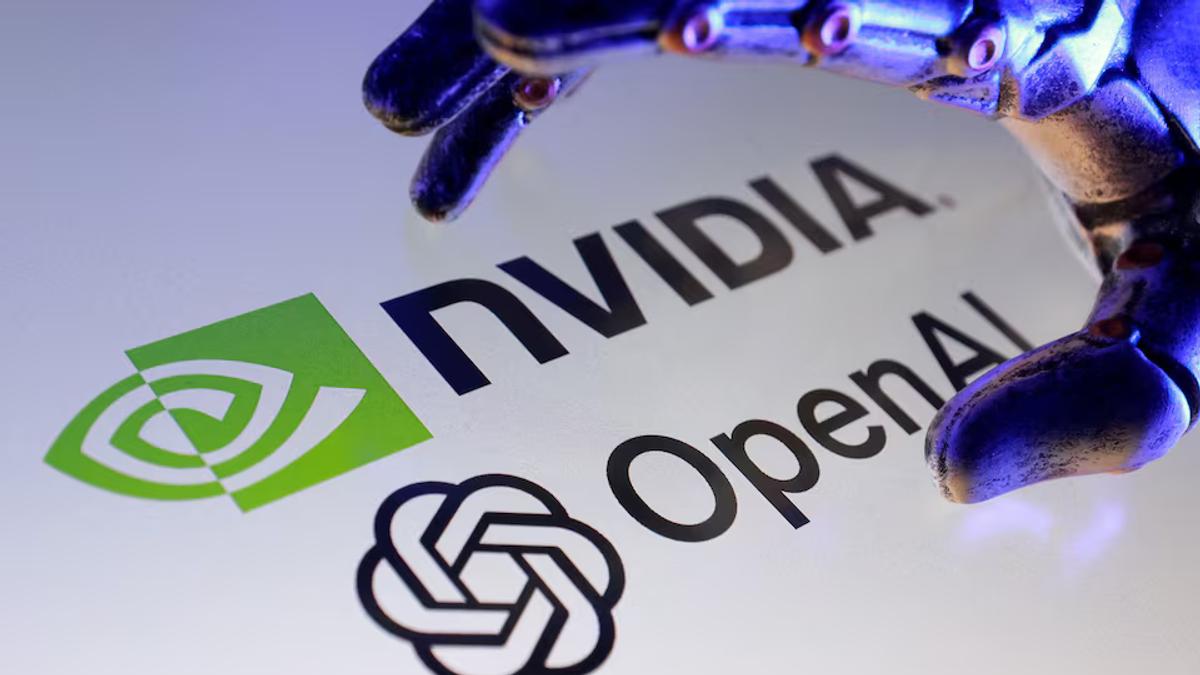
Artificial intelligence (AI) is transforming our world at an unprecedented pace. The technology has the potential to bring about significant benefits, from improving healthcare and education to enhancing economic productivity and national security. However, the rapid development and deployment of AI also raise concerns about the widening global AI divide and the potential for AI to become a privilege of a handful of nations.
The global AI divide refers to the growing gap between countries that have access to advanced AI technologies and those that do not. This divide is not only a matter of economic inequality but also a challenge to global cooperation and stability. As AI becomes increasingly important for economic and military competitiveness, countries that lag behind in AI development may feel pressure to adopt more aggressive strategies to catch up.
In response to this global challenge, China has proposed the Global AI Governance Initiative. This initiative aims to ensure that AI development is guided by a people-centered approach, respect for national sovereignty, safety and controllability, fairness and inclusiveness, and ethics first. The principles of the initiative are designed to promote the shared benefits of AI for all humanity, rather than allowing it to become a privilege of a few nations.
The success of the Global AI Governance Initiative depends on the willingness of countries to cooperate and work together to address the challenges and opportunities presented by AI. This requires a commitment to transparency, accountability, and the sharing of knowledge and best practices. It also necessitates the development of international norms and standards for AI development and deployment.
The question remains: Who will AI ultimately serve? Will it become a privilege of a handful of nations, or will it be treated as a public good that benefits everyone? The answer to this question will shape the future of us all. As AI continues to transform our world, it is essential that we prioritize global cooperation and the shared benefits of this technology.
The Global AI Governance Initiative is a critical step towards ensuring that AI serves as a shared benefit for all humanity. However, the success of this initiative depends on the willingness of countries to cooperate and work together to address the challenges and opportunities presented by AI. As we move forward, it is essential that we prioritize transparency, accountability, and the sharing of knowledge and best practices to ensure that AI benefits everyone, not just a privileged few.
Source referenced: CGTN
This brief was synthesized by our Editorial Engine and reviewed by The Ground Narrative team.