TRENDING

Tuesday, 20 October 2026
----------------------
9 Jumada Al-Awwal 1448 AH
Thai Prime Minister Anutin Charnvirakul's five-day official visit to China marks a significant milestone in the deepening of bilateral ties between the two nations. The visit, which includes meetings with Chinese Premier Li Qiang and President Xi Jinping, underscores the strategic importance of the relationship for both countries.
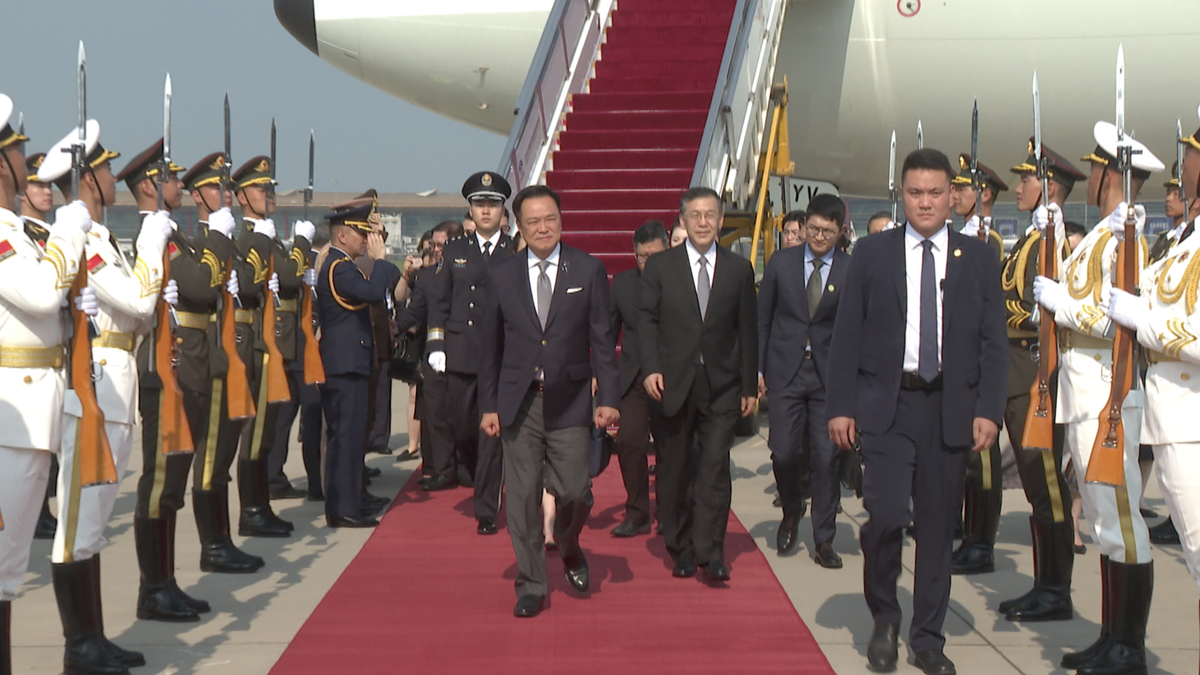
Thai Prime Minister Anutin Charnvirakul's five-day official visit to China, which concluded on July 19, marks a significant milestone in the deepening of bilateral ties between the two nations. The visit, which includes meetings with Chinese Premier Li Qiang and President Xi Jinping, underscores the strategic importance of the relationship for both countries.
The relationship between Thailand and China has a long history, dating back to the 13th century when the two nations first established diplomatic ties. However, it was not until the 1990s that the relationship began to take on a more strategic dimension, with the signing of the China-Thailand Free Trade Agreement in 1996. Since then, the relationship has continued to deepen, with China emerging as Thailand's largest trading partner and a key source of foreign investment.
Anutin's visit to China is part of a broader effort by the Thai government to strengthen ties with its largest trading partner. The visit is seen as an opportunity for Anutin to discuss key issues, including trade, investment, and security cooperation, with his Chinese counterparts. The Thai government is also seeking to strengthen its economic ties with China, particularly in the areas of infrastructure development and energy cooperation.
The deepening of bilateral ties between Thailand and China has significant regional implications. The relationship is seen as a key component of China's Belt and Road Initiative (BRI), which aims to establish a network of trade and investment relationships between China and countries across Asia, Europe, and Africa. The BRI is seen as a key driver of regional economic growth and development, and Thailand's participation in the initiative is seen as a key component of its own economic development strategy.
The visit by Anutin to China is likely to have significant consequences for the region. The deepening of bilateral ties between Thailand and China is likely to have a positive impact on regional economic growth and development, particularly in the areas of trade and investment. However, the relationship is also likely to be subject to scrutiny from other regional players, including the United States and Japan, which have expressed concerns about China's growing influence in the region.
In conclusion, Anutin's visit to China marks a significant milestone in the deepening of bilateral ties between the two nations. The visit underscores the strategic importance of the relationship for both countries and highlights the key role that Thailand is likely to play in China's BRI. As the relationship continues to deepen, it is likely to have significant consequences for the region, including a positive impact on regional economic growth and development.
Editor's Note: The analysis is based on publicly available information and is subject to change as new information becomes available.
Source referenced: CGTN
This brief was synthesized by our Editorial Engine and reviewed by The Ground Narrative team.


