TRENDING

Monday, 26 October 2026
----------------------
15 Jumada Al-Awwal 1448 AH
A Swiss embassy staffer’s wife became Nigeria’s first confirmed Ebola patient, linking diplomatic circles to a regional health crisis. The episode reveals how diplomatic privilege, health infrastructure, and global disease politics intersect.
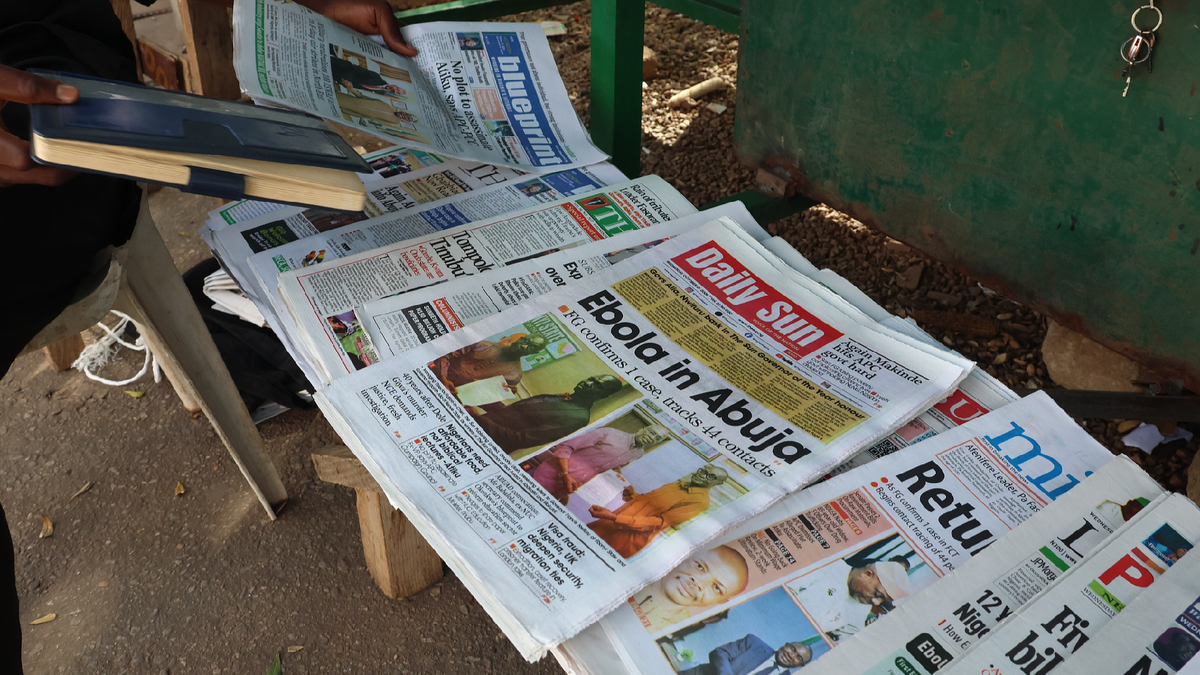
On 23 October 2026, Nigeria announced its first confirmed case of the Bundibugyo strain of Ebola. The patient was identified as the wife of a Swiss embassy employee stationed in Abuja. She had been hospitalized for a week after developing symptoms, and her husband, who traveled with her to Uganda, was placed in isolation but remained asymptomatic. Health officials traced 44 contacts linked to the case, while the World Health Organization (WHO) and Swiss authorities coordinated containment measures and considered repatriation.
The presence of a Swiss diplomat’s family in the outbreak highlights how diplomatic immunity can both shield and expose officials. While embassy staff enjoy certain protections, they are also subject to host‑nation health regulations when a communicable disease threatens public safety. Switzerland’s decision to keep 25 embassy personnel in Abuja without isolation, after consulting Nigeria’s health ministry and the WHO, reflects a calculation that the risk to the broader diplomatic mission is low, but it also signals confidence in the host country’s containment capacity.
The Bundibugyo strain originated in the Democratic Republic of Congo (DRC) and spread to Uganda, Kenya, and now Nigeria. International donors, including the European Union and the United States, have funneled billions into Ebola response mechanisms since the 2014 West African epidemic. Those funds are channeled through WHO‑approved treatment centers, surveillance teams, and vaccine research. However, the current strain lacks an approved vaccine, forcing governments to rely on isolation, contact tracing, and experimental therapeutics, stretching already‑thin health budgets.
The couple’s recent trip to Uganda—a country that declared its outbreak over in August—underscores the tension between economic mobility and health security. Air travel between East African hubs and West African capitals is vital for trade, tourism, and diplomatic missions. Airlines and tourism boards lobby for relaxed screening to preserve revenue, while health ministries push for stricter entry protocols. The Swiss government’s contemplation of repatriating the patient to Europe adds another layer: moving a high‑risk individual across continents could trigger diplomatic friction if the host nation perceives it as off‑loading a public‑health burden.
The 44 identified contacts include family members, market vendors, and healthcare workers who shared space with the patient before her diagnosis. Many of these individuals live in informal settlements where crowded conditions amplify transmission risk. Quarantine measures mean loss of daily wages, food insecurity, and heightened anxiety. For a mother who depends on daily market sales, a two‑week isolation can mean the difference between feeding her children and facing hunger.
Nigeria’s health system, still recovering from past outbreaks, faces chronic under‑funding. Doctors, nurses, and community health volunteers are tasked with intensive contact tracing, specimen collection, and patient monitoring, often with limited personal protective equipment (PPE). The psychological toll of working amid a deadly virus—especially one without a vaccine—can lead to burnout, stigma, and even attrition, weakening the overall response capacity.
While the Swiss embassy staff are medically cleared, the incident fuels public suspicion toward foreign missions. Nigerians may view the presence of diplomats as a privileged enclave insulated from the same health risks that ordinary citizens face. This perception can erode trust in both the host government’s ability to protect its people and the diplomatic corps’ willingness to share the burden of crisis response.
Official statements from the Swiss Foreign Ministry and the WHO emphasize coordination and swift action, but they omit the stark reality of financing shortfalls. The Bundibugyo strain’s lack of an approved vaccine means that donor money is being diverted to experimental drug trials and ad‑hoc isolation facilities, leaving other health programs—maternal care, malaria control—under‑funded. This reallocation is rarely disclosed in public briefings.
The patient was treated at a private clinic in Abuja, a detail that raises questions about equity in access to care. Private facilities often have better resources than public hospitals, but they are also more expensive, limiting treatment options for the average Nigerian. The government’s reliance on a private institution for a high‑profile case may signal a tacit acknowledgment of public‑sector inadequacies, a point rarely highlighted in diplomatic communiqués.
Switzerland’s contemplation of repatriation suggests ongoing diplomatic negotiations that are not public. Repatriating an Ebola patient involves complex legal, logistical, and ethical considerations, including the risk of exporting the virus and the need for specialized transport. These discussions, likely occurring behind closed doors, are omitted from official narratives that focus on containment within Nigeria.
- Contact‑Tracing Expansion: Watch how Nigerian health officials scale up from 44 contacts to broader community surveillance, especially in densely populated Abuja neighborhoods.
- Vaccine Development: International biotech firms are accelerating trials for a Bundibugyo‑specific vaccine. Any breakthrough could shift the balance of power in future outbreaks.
- Diplomatic Protocols: Monitor statements from the Swiss Foreign Ministry regarding repatriation decisions and any revisions to diplomatic immunity clauses related to health emergencies.
- Funding Flows: Track donor announcements for Ebola response funding in the coming weeks; a sudden surge or cut could reveal shifting priorities among global powers.
- Public Sentiment: Social media chatter in Nigeria may turn increasingly critical of foreign missions if the outbreak spreads, influencing domestic political pressures on the government.
The convergence of diplomatic privilege, regional health infrastructure, and global disease politics in this single case underscores how a virus can become a lens for power dynamics that ordinary citizens rarely see. By watching the next steps—whether the patient is repatriated, how contacts are managed, and how funding is allocated—readers can gauge who truly controls the narrative and who bears the hidden costs.
She likely contracted the Bundibugyo strain during a recent trip to Uganda, where the virus was circulating, before returning to Abuja where symptoms appeared.
Authorities have isolated the patient, placed her husband in quarantine, identified 44 contacts for monitoring, and are working with the WHO and Swiss officials on containment and possible repatriation.
No approved vaccine exists for the Bundibugyo strain yet; response relies on isolation, supportive care, and experimental treatments while vaccine research continues.
Source referenced: CGTN
This brief was synthesized by our Editorial Engine and reviewed by The Ground Narrative team.