TRENDING

Tuesday, 6 October 2026
----------------------
25 Rabi' Al-Thani 1448 AH
Super Typhoon Bavi, a Category 5 equivalent storm, is bearing down on the US Pacific territories of Guam and the Northern Mariana Islands, marking the second such event in months. This escalating frequency of extreme weather, linked to rising ocean temperatures and El Nino, poses significant challenges to critical US strategic assets and local populations in the Indo-Pacific.
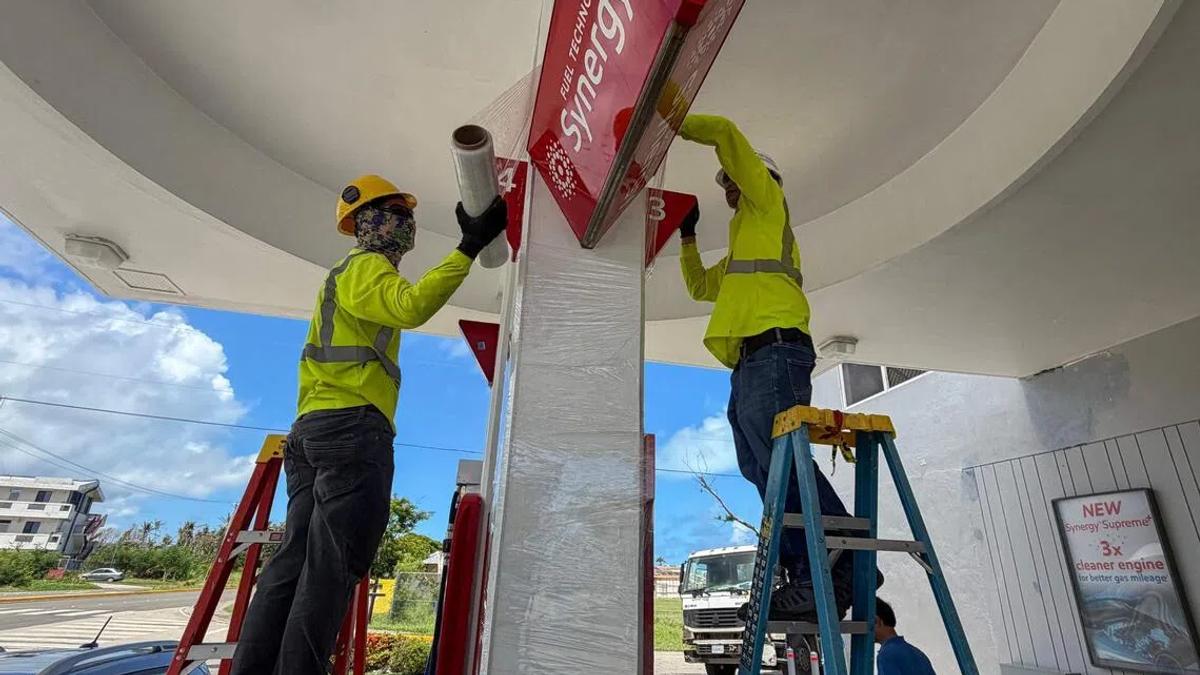
The US Pacific territories of Guam and the Northern Mariana Islands are bracing for the full impact of Super Typhoon Bavi, a formidable storm equivalent to a Category 5 hurricane. With sustained winds reaching 259 kilometers per hour and gusts up to 314 kilometers per hour, Bavi represents not only an immediate and severe natural disaster but also underscores a growing long-term challenge to US strategic interests and regional stability in the Indo-Pacific. This event, occurring just months after Super Typhoon Sinlaku devastated the same region in April, highlights the escalating frequency and intensity of extreme weather phenomena, increasingly linked to global climate patterns.
As Bavi approached on July 4, 2026, the roughly 200,000 inhabitants of Guam and the Northern Mariana Islands (NMI) were in a state of emergency, having undertaken extensive preparations. Residents queued for essentials like fuel, food, and water, while businesses and resorts, such as the Pacific Islands Club Saipan, secured their premises. The Joint Typhoon Warning Center (JTWC) issued grim forecasts, prompting the US National Weather Service to warn all residents to anticipate at least tropical storm conditions. This immediate crisis has overshadowed traditional Independence Day celebrations, with resources and attention diverted entirely to disaster preparedness and response.
The impact of Bavi is compounded by the fact that the islands are still reeling from Super Typhoon Sinlaku, which struck in mid-April. Sinlaku caused widespread power outages, significant infrastructure damage, and tragically, casualties, including the loss of a cargo ship and its crew. Many residents in the Northern Marianas remain in temporary shelters or under makeshift roofs, and damaged seawalls continue to heighten concerns about storm surge. The American Red Cross has deployed disaster teams and relief supplies, signaling the severe humanitarian challenges that these successive storms present. The repeated strain on infrastructure, emergency services, and the local population's resilience is immense, with one local resort manager noting the unprecedented occurrence of two super typhoons in the Marianas within months.
The strategic importance of Guam and the Northern Mariana Islands to the United States cannot be overstated. Guam, a key US territory, hosts critical military installations, including Andersen Air Force Base and Naval Base Guam, which are vital components of the US Indo-Pacific Command's forward presence. These bases are essential for projecting power, maintaining regional security, and responding to contingencies across the vast Pacific theater. The Northern Mariana Islands, also a US commonwealth, provide additional strategic depth and logistical support. Historically, these islands were sites of major battles during World War II, underscoring their enduring geopolitical relevance in controlling vital sea lanes and projecting influence in the Western Pacific.
The repeated disruption caused by super typhoons directly impacts the operational readiness and resilience of these strategic assets. Damage to infrastructure, communication networks, and local support systems can hinder military operations, divert resources towards recovery, and strain personnel. Ensuring the long-term viability and robustness of these outposts against intensifying natural disasters is therefore a critical national security imperative for the United States.
The increasing frequency and intensity of super typhoons like Bavi and Sinlaku are not isolated events but are consistent with broader global climate trends. The World Meteorological Organization (WMO) warned on July 3 that the onset of a potentially powerful El Nino weather pattern has begun in the tropical Pacific, forecast to strengthen rapidly. Scientists from the European Union's Copernicus Marine Service reported that the world's oceans experienced their hottest June on record, with further highs anticipated. These warmer ocean temperatures are a critical factor, as they provide more energy and moisture, enabling tropical storms to intensify rapidly and deliver heavier rainfall.
This direct link between climate change, El Nino, and extreme weather events transforms natural disasters into a significant geopolitical and security concern. For the US, it means that its strategic assets in the Pacific are increasingly vulnerable to climate-induced disruptions. For the broader Indo-Pacific region, it implies greater risks of humanitarian crises, economic instability, and potential resource competition, all of which can exacerbate existing tensions or create new ones. The need for robust climate adaptation strategies, resilient infrastructure, and enhanced international cooperation on disaster response becomes paramount.
Beyond the immediate threat to life and property, Super Typhoon Bavi will inflict further economic damage on islands already struggling to recover. Tourism, a vital industry for many Pacific islands, is severely impacted by such events, with resorts and businesses facing extensive repair costs and prolonged closures. The long-term economic recovery will require substantial investment, both from local governments and potentially from the US federal government, diverting funds that could otherwise be used for development or other strategic initiatives. The humanitarian toll, with residents displaced and essential services disrupted, further underscores the multifaceted challenges posed by these increasingly powerful storms.
In conclusion, Super Typhoon Bavi is more than just a weather event; it is a stark reminder of the complex interplay between natural phenomena, climate change, and geopolitical strategy. For the United States, it highlights the urgent need to bolster the resilience of its critical Pacific territories against a future defined by more frequent and intense extreme weather. The ability to effectively respond to and recover from such disasters will be a crucial test of US commitment and capability in a strategically vital region, while simultaneously underscoring the global imperative to address the root causes and consequences of a changing climate.
Source referenced: STRAITSTIMES
This brief was synthesized by our Editorial Engine and reviewed by The Ground Narrative team.