TRENDING

Friday, 16 October 2026
----------------------
5 Jumada Al-Awwal 1448 AH
Ongoing negotiations between the United States and Iran regarding the Strait of Hormuz are critical for global economic stability, extending beyond traditional diplomatic and nuclear concerns. Disruptions in this vital chokepoint threaten to exacerbate worldwide energy, food, and cost-of-living crises, particularly impacting vulnerable developing economies.
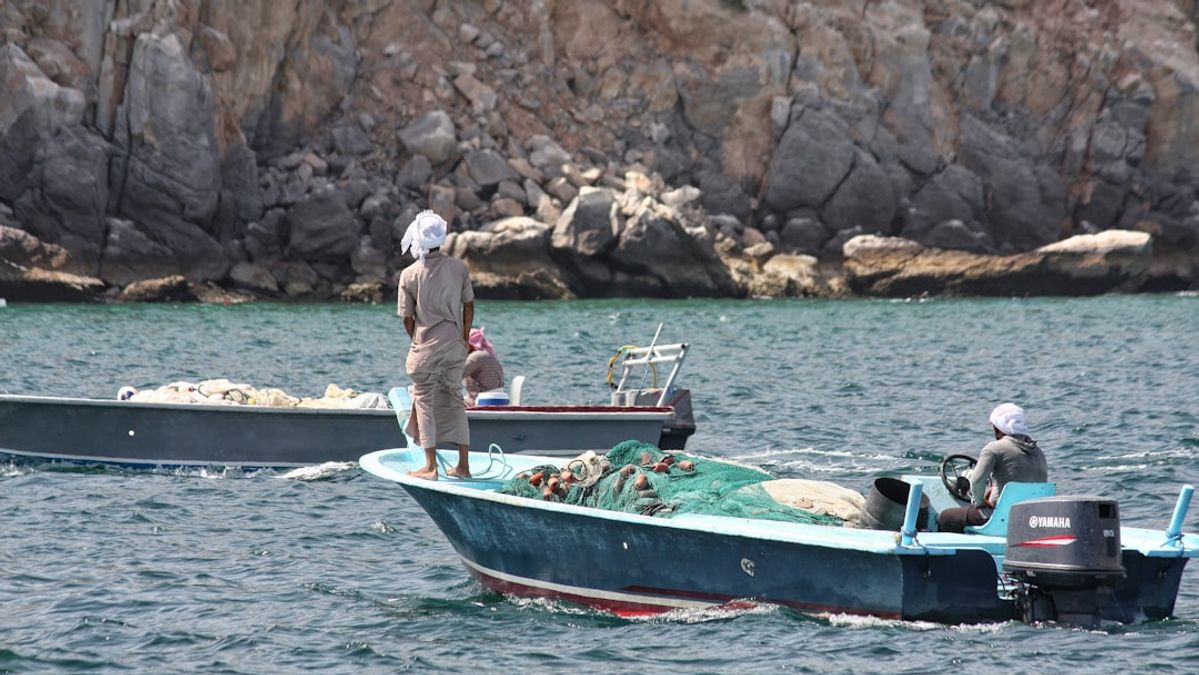
As of May 2026, diplomatic efforts between the United States and Iran are reportedly intensifying, aiming for a potential breakthrough that could significantly de-escalate tensions surrounding the Strait of Hormuz. This strategic waterway, situated off the coast of Musandam, Oman, is not merely a regional flashpoint but a central artery of global commerce, through which approximately one-fifth of the world's oil and a substantial portion of liquefied natural gas (LNG) supplies transit daily. The ongoing discussions, which reportedly include a 60-day truce, the reopening of shipping lanes, some sanctions relief, and renewed talks on Iran's nuclear program, underscore a broader global imperative to stabilize this critical chokepoint.
The strategic significance of the Strait of Hormuz cannot be overstated. Its militarization or partial blockage, as observed in recent weeks through disruptions to shipping, military tensions, and competing naval controls, has immediate and far-reaching consequences. These disruptions have already driven up freight costs, energy prices, and insurance premiums, signaling the fragility of global supply chains and the interconnectedness of international markets. The potential for a prolonged disruption poses a severe threat to an already vulnerable global economy, strained by existing debt, climate shocks, and geopolitical fragmentation.
The economic implications of instability in the Strait of Hormuz are multifaceted and global. Wealthier economies, including those in Europe and North America, would experience intensified inflationary pressures due to higher fuel prices, further burdening households and challenging governments already grappling with slowing growth and persistent cost-of-living concerns. Rising transportation, electricity, and food prices would likely fuel renewed political pressure and social discontent.
The impact on the Global South, however, is projected to be far more severe. Many developing economies are heavily reliant on imported fuel, fertilizer, and food. Energy shocks, therefore, cascade through these economies, leading to increased transport costs, more expensive agricultural production, and accelerated food inflation. Public finances deteriorate as governments attempt to mitigate the impact through subsidies or emergency support, often exacerbating existing debt crises and increasing the risk of social instability. This dynamic is already evident in several import-dependent countries in Africa and South Asia, where governments are struggling to secure alternative supplies amidst worsening fiscal pressures.
The urgency of securing a durable agreement between the U.S. and Iran is thus rooted in a global economic necessity, transcending the immediate bilateral relationship. The negotiations aim not only to avert further military escalation but also to safeguard the global economy from another prolonged energy disruption. Historical precedents, such as the role of food inflation in preceding the Arab uprisings, highlight how quickly economic shocks can translate into widespread political crises. In an era of widespread distrust, stagnant wages, and growing inequality, another sustained surge in energy and food prices could dramatically intensify global instability.
Despite the clear global imperative, the path to a comprehensive deal remains fraught with challenges. Deep disagreements persist over critical issues such, as the scope of sanctions relief, the future of Iran's uranium enrichment program, regional security arrangements, and the governance of shipping through the Gulf. Reports indicate ongoing tensions regarding the ultimate control and conditions of transit through the Strait of Hormuz. Furthermore, the history of stalled negotiations and renewed military escalations underscores the deep mutual distrust that must be overcome for any ceasefire or broader agreement to hold.
The current negotiations extend beyond the immediate interests of Washington and Tehran, embodying a critical test of the international community's ability to manage geopolitical chokepoints and prevent cascading global crises. The irony is that many of the countries most vulnerable to the economic fallout have little influence over the conflict itself, yet bear the disproportionate burden of rising import costs, worsening hunger, and shrinking fiscal space. This dynamic highlights how the costs of major-power conflicts are often externalized onto poorer societies through global commodity markets and debt structures.
Ultimately, the ability of the United States and Iran to reach a viable agreement on the Strait of Hormuz is pivotal for global stability. A failure to do so risks deepening inflation, exacerbating food insecurity, straining humanitarian systems, and increasing the likelihood of broader political instability across vulnerable economies. The ongoing diplomatic efforts are therefore not merely about bilateral relations but about whether the world can collectively avert another major crisis driven by energy insecurity, geopolitical fragmentation, and rising inequality.
Source referenced: ALJAZEERA
This brief was synthesized by our Editorial Engine and reviewed by The Ground Narrative team.