TRENDING

Friday, 16 October 2026
----------------------
5 Jumada Al-Awwal 1448 AH
The ongoing conflict in the Strait of Hormuz has left hundreds of seafarers stranded, with some facing abandonment by their shipowners. The crisis highlights the vulnerabilities of the global shipping industry and the risks faced by those at sea.
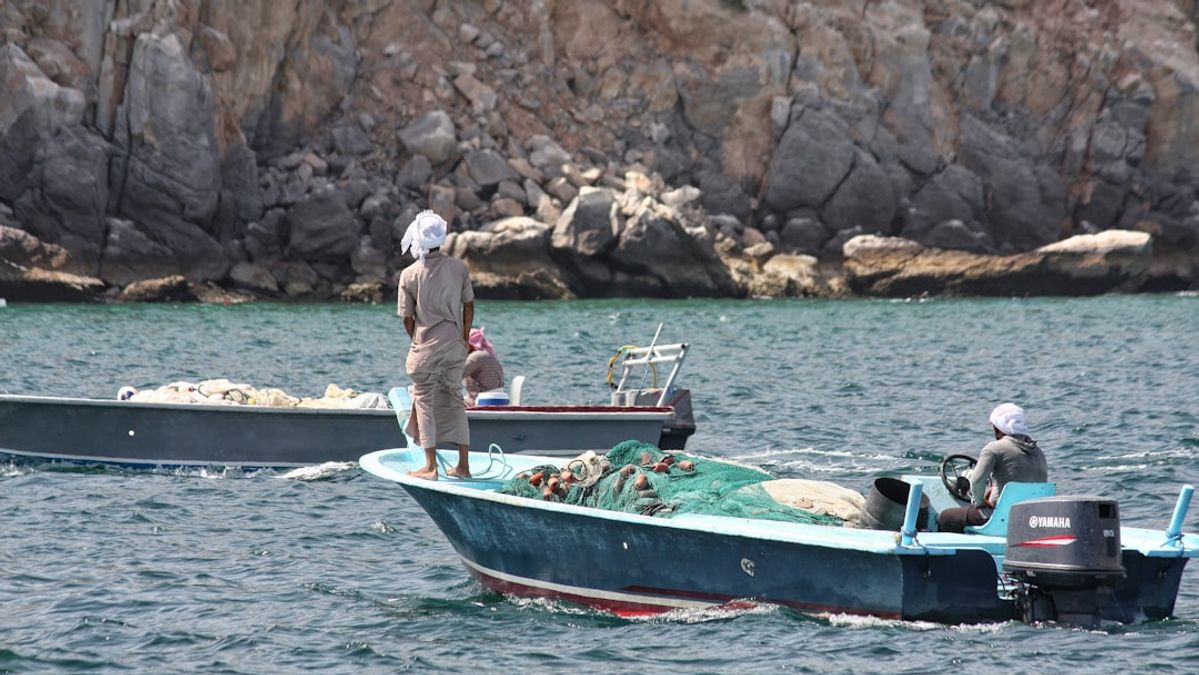
The Strait of Hormuz, a critical waterway connecting the Persian Gulf to the Gulf of Oman, has been at the center of a brewing crisis. The ongoing conflict between Iran and the US-Israel alliance has led to a significant escalation of tensions, with multiple commercial vessels being hit by missiles. The most recent incident, involving the oil tanker Skylight, has highlighted the devastating consequences of this conflict on seafarers.
Sunil Puniya, a 26-year-old Indian seafarer, was on his first job at sea when a missile struck the Skylight in the early hours of March 1. He was asleep in his cabin at the time of the attack and woke up to find the ship engulfed in chaos. Despite the harrowing experience, Sunil managed to escape the vessel, but his friend Dalip Rathore, 25, was not so lucky. Dalip was working in the engine room of the Skylight when the ship was struck, and his body has never been found.
The Skylight incident is part of a wider crisis that has been unfolding in the Strait of Hormuz. At least 38 commercial vessels have been hit in and around the Strait since the start of the conflict, with many seafarers facing abandonment by their shipowners. The International Transport Workers' Federation (ITF) has reported over 2,000 calls for help from seafarers trapped in the region, with some facing unpaid wages, contract disputes, and shortages of basic supplies.
The conflict in the Strait of Hormuz has significant implications for the global shipping industry. The war has left many hundreds of ships unable to get through the strait, with over 20,000 seafarers currently stuck in the Gulf. The crisis highlights the vulnerabilities of the industry, which relies on complex networks of ownership, insurance, and management. The use of opaque ownership structures, changing flags, and complex management networks can make it difficult to identify who is ultimately responsible for a vessel when something goes wrong.
The Skylight incident and the broader crisis in the Strait of Hormuz have a human cost that cannot be ignored. Seafarers like Sunil and Dalip are not just statistics; they are individuals who have been left stranded, abandoned, and without access to basic necessities. The ITF has reported cases of seafarers being forced to wash with contaminated water, eat expired food, and live in squalid conditions.
The Strait of Hormuz crisis is a perfect storm of conflict and abandonment. The ongoing conflict has left hundreds of seafarers stranded, with some facing abandonment by their shipowners. The crisis highlights the vulnerabilities of the global shipping industry and the risks faced by those at sea. As the situation continues to unfold, it is essential to prioritize the welfare and safety of seafarers, who are the backbone of the industry.
1. Immediate Action: The International Maritime Organization (IMO) and the ITF should work together to provide immediate assistance to seafarers stranded in the Strait of Hormuz.
2. Regulatory Reforms: The IMO should consider implementing regulatory reforms to prevent the use of opaque ownership structures, changing flags, and complex management networks.
3. Sanctions and Enforcement: The US and other countries should consider imposing sanctions on shipowners who abandon their seafarers, and enforcement agencies should work to identify and prosecute those responsible.
4. Support for Seafarers: Governments, shipping companies, and international organizations should provide support to seafarers, including access to basic necessities, medical care, and repatriation.
Editor's Note: The analysis is based on available data and reports from reputable sources. However, the situation in the Strait of Hormuz is fluid, and the information may change rapidly. Therefore, the confidence note is moderate.
Source referenced: BBC
This brief was synthesized by our Editorial Engine and reviewed by The Ground Narrative team.