TRENDING

Thursday, 15 October 2026
----------------------
4 Jumada Al-Awwal 1448 AH
The Iran war has reached a stalemate, with a shaky ceasefire in place, despite recent flare-ups and failed diplomatic efforts. The conflict's impact on global energy prices and regional stability is significant, with far-reaching consequences for the Middle East and beyond.
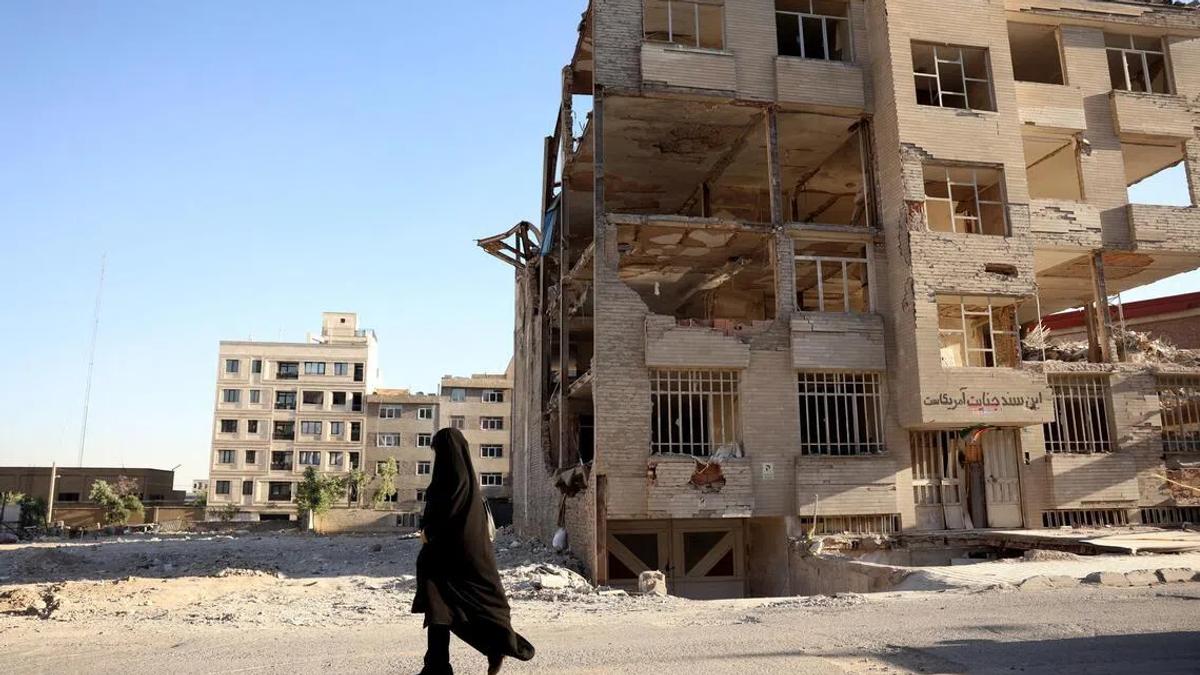
The Iran war, which began in late February, has reached a stalemate, with a shaky ceasefire in place. Despite recent flare-ups and failed diplomatic efforts, the conflict's impact on global energy prices and regional stability is significant, with far-reaching consequences for the Middle East and beyond.
The conflict is a result of the complex web of interests and rivalries between Iran, the United States, Israel, and other regional actors. The US and Israel launched strikes against Iran in late February, citing concerns over Iran's nuclear program and regional influence. Iran, in turn, has repeatedly attacked targets in Bahrain and Kuwait, where US military bases are located.
The conflict has its roots in the 2015 nuclear deal, which was abandoned by the US in 2018. Since then, tensions have escalated, with the US imposing sanctions on Iran and Iran retaliating with attacks on US and Israeli targets.
The conflict has significant implications for regional stability and global energy prices. The Strait of Hormuz, which carries about a fifth of global oil supplies, remains largely shut to maritime traffic, pushing up energy prices and causing global pain.
The conflict has also triggered a new round of conflict between Israel and Lebanese militant group Hezbollah, with Israel pursuing its deepest incursion into Lebanon in 25 years. The announcement of a partial ceasefire on June 1 failed to reassure many Lebanese, with 1.2 million displaced and an Israeli drone over Beirut keeping residents on edge.
The conflict's impact on the global economy is also significant, with surging transport costs and supply chain disruptions hindering life-saving aid for Gaza, Lebanon, Democratic Republic of Congo, Mali, Somalia, South Sudan, Nigeria, and elsewhere.
Despite the stalemate, diplomatic efforts continue, with the US and Iran reportedly reaching a tentative initial agreement to halt the war. However, the two sides have yet to sign off on the deal, and negotiations have been stalled for several days.
The US has said it will agree to sanctions relief only if Iran agrees to give up its nuclear activity, while Iran is seeking access to billions of dollars in oil revenues, waivers on crude exports, a lifting of a US blockade on its ports, and continued leverage over the strait.
The Iran war has reached a stalemate, with a shaky ceasefire in place. The conflict's impact on global energy prices and regional stability is significant, with far-reaching consequences for the Middle East and beyond. Diplomatic efforts continue, but the prospects for a lasting peace remain uncertain.
Source referenced: STRAITSTIMES
This brief was synthesized by our Editorial Engine and reviewed by The Ground Narrative team.