TRENDING

Friday, 16 October 2026
----------------------
5 Jumada Al-Awwal 1448 AH
Syria's newly opened parliament is a controlled opening, closely tied to the presidency, but it has the potential to become a meaningful power center in its own right.
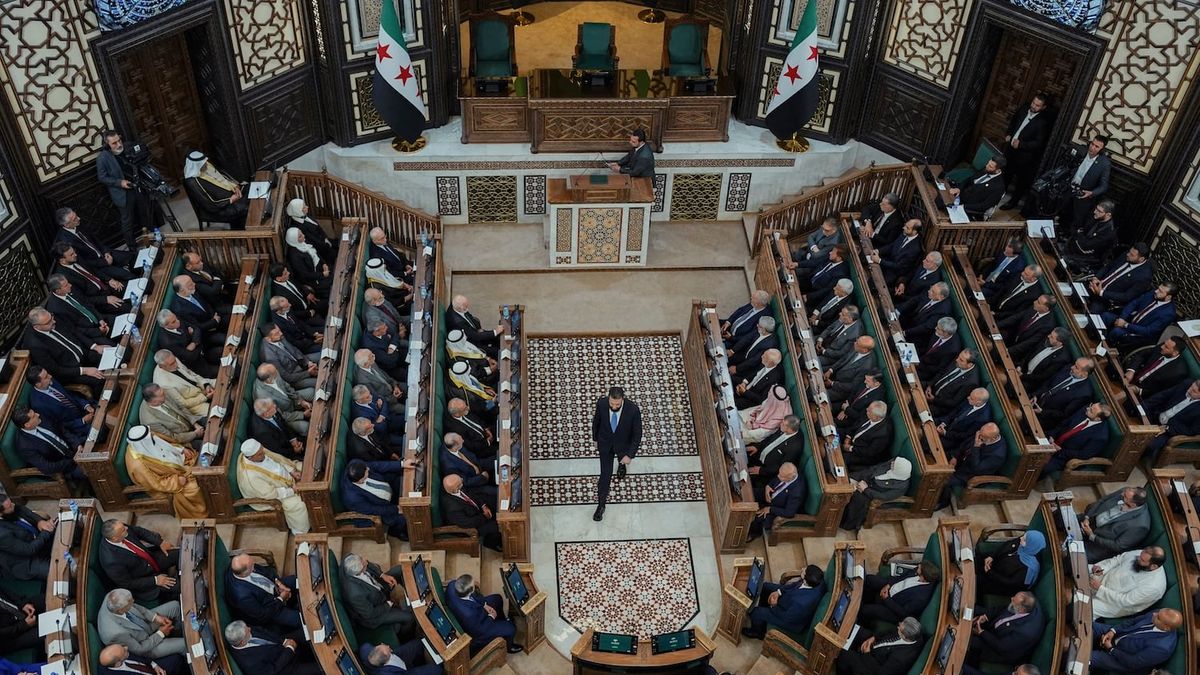
Syria's new parliament, the People's Assembly, has finally convened after more than six decades of inactivity. The assembly is a controlled opening, closely tied to the presidency, but it has the potential to become a meaningful power center in its own right. The parliament's composition and behavior are telling of the complex dynamics at play in Syria's fragile transition.
The parliament has 210 members, with one-third, 70, appointed directly by President Ahmed al-Sharaa. The rest were chosen indirectly through electoral colleges designed by a higher elections committee that Sharaa himself appointed. This has resulted in a parliament with a thin connection to the people it is supposed to represent. Most members never ran a campaign, and many only began introducing themselves to the public after they had already won.
The first session of the parliament was marked by arguments over basic questions of procedure and law. The members are still discovering what powers they hold and what the constitutional declaration allows them to do. The declaration does not give them much to work with, and there is no vote of confidence in the government or real tools to compel the executive to do anything.
The parliament's composition and behavior have regional implications. The three seats of Suwayda, a southern governorate with a Druze majority, remain vacant, and some Kurdish parties have rejected the way that representatives for Kurdish areas were selected. This feeds doubts about the assembly's ability to speak for the country.
The parliament's future consequences are uncertain. If Syria's president is strategic, its parliamentarians courageous, its citizens insistent, and its international friends supportive, the People's Assembly could become a meaningful power center in its own right. However, if the parliament remains weak and closely tied to the presidency, it may be doomed to irrelevance.
Syria's new parliament is a complex and multifaceted institution. Its composition and behavior are telling of the complex dynamics at play in Syria's fragile transition. While it is uncertain what the future holds, one thing is clear: the parliament has the potential to become a meaningful power center in its own right.
Editor's Note: The analysis is based on the available information, but the future consequences of the parliament's actions are uncertain and may depend on various factors.
Source referenced: FOREIGNPOLICY
This brief was synthesized by our Editorial Engine and reviewed by The Ground Narrative team.