TRENDING

Tuesday, 20 October 2026
----------------------
9 Jumada Al-Awwal 1448 AH
A deadly wildfire in southern Spain, claiming 13 lives, has highlighted severe deficiencies in emergency warning systems and disaster management plans. The incident underscores broader challenges in public safety and governance amidst escalating climate-related risks across Europe.
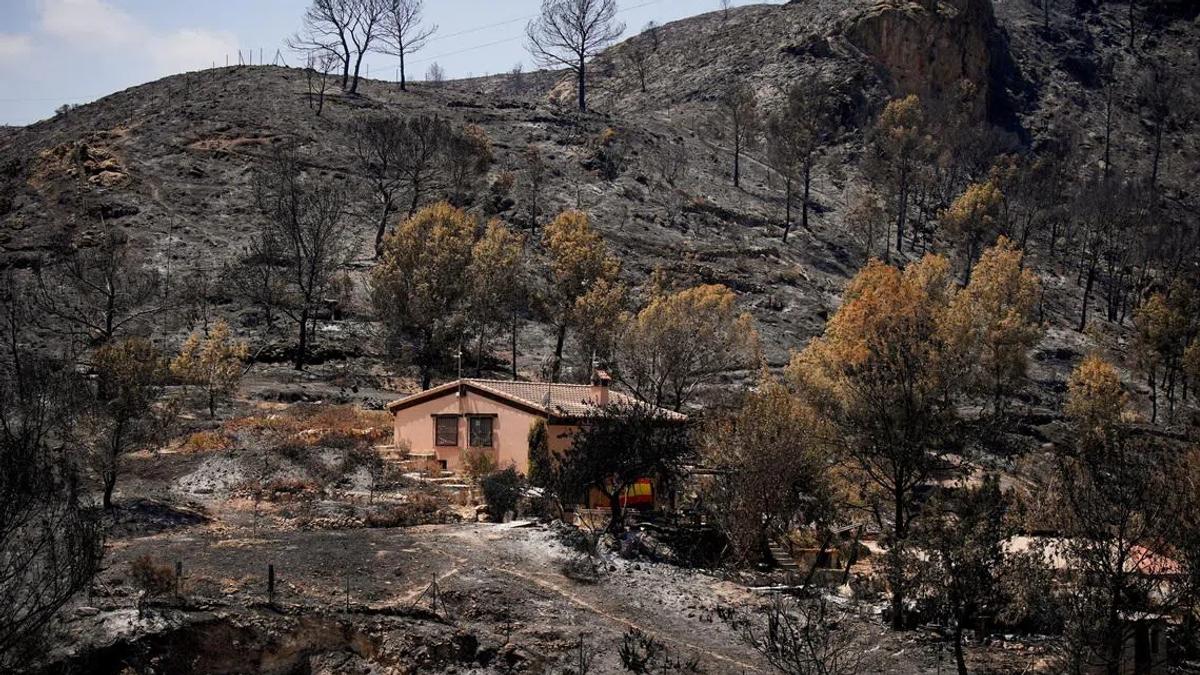
On July 9, 2026, a devastating wildfire near the mountain village of Bedar and the hamlet of Paraje el Curato in southern Spain's Andalusia region resulted in the deaths of 13 people. The tragedy has brought into sharp focus critical shortcomings in emergency response protocols, public warning systems, and disaster preparedness planning, raising significant questions about regional governance and the broader implications for Europe in an era of increasing climate-induced disasters.
The fire, one of Spain's deadliest in recent memory, claimed 12 lives as residents attempted to flee, with a 13th victim, a 93-year-old British woman, succumbing to burns in hospital. The majority of the victims resided in Paraje el Curato, a hamlet approximately 2.5 km from Bedar. Survivors and residents recounted a chaotic and inconsistent warning process. While regional officials initially suggested some victims had ignored advice to shelter in place, multiple accounts from those affected indicated a severe lack of official communication. Some residents received no warnings at all, while others relied on piecemeal alerts via church bells, WhatsApp groups, or sporadic door-to-door visits by local officials. Crucially, the main road out of Paraje el Curato was blocked by the time the fire, first reported 3.5 hours earlier, reached the hamlet around 8 p.m., forcing desperate residents onto dangerous alternative tracks.
The core of the crisis appears to stem from a confluence of outdated planning and a flawed communication strategy. Antonio Sanz, head of emergencies for Andalusia, stated that the region opted not to use a mobile phone emergency alert system, which sends alerts to specific communities, because it could not be tailored to differentiate between areas needing evacuation and those advised to shelter. This decision stands in stark contrast to other Spanish regions like Madrid, Aragon, and Castile La Mancha, which reportedly utilized the system for recent wildfires. The Andalusian government's assertion that Bedar's mayor and other officials conducted door-to-door warnings was contradicted by victims' families, who reported no official communication before it was too late.
Further exacerbating the situation was the state of local emergency planning. Data from the Andalusian government revealed that only 42 out of 103 municipalities in Almeria province, which includes Bedar, possessed emergency plans, and only nine of these had met the requirement for a four-yearly update in high-risk areas. Bedar's emergency plan, last approved in 2019, was reportedly in the process of being updated, despite the municipality being classified as at risk from wildfires. This highlights a significant governance deficit, where the responsibility for updating plans rests with municipalities, but oversight and enforcement appear insufficient.
This tragedy is not an isolated incident but rather a stark illustration of a growing challenge across Europe. Experts emphasize that wildfires are occurring more frequently and spreading with greater speed due to climate change. This escalating threat necessitates robust, proactive disaster management strategies that go beyond reactive measures. Fernando Medina, a professor of geography, stressed the importance of advance public awareness regarding risks, evacuation routes, and self-protection measures, including mapping scattered dwellings, planning evacuations, and conducting regular drills. The haphazard messaging during the Bedar fire, as noted by emergency planning expert David Alexander, strongly suggests poor planning and a failure to adapt to the evolving nature of these environmental threats.
The differing approaches to emergency alerts across Spanish regions underscore potential disparities in preparedness and technological integration within the country's autonomous communities. Such inconsistencies can lead to unequal levels of public safety and erode trust in governmental institutions, particularly when official narratives clash with the lived experiences of survivors. The presence of British expatriates among the victims also highlights the international dimension of such disasters in popular European residential and tourist areas, potentially raising questions about international cooperation in crisis response and citizen protection.
The Bedar wildfire serves as a critical lesson for Spain and other European nations grappling with the impacts of climate change. The incident underscores the urgent need for comprehensive, integrated disaster management strategies that prioritize clear, timely, and accessible communication. This includes the mandatory implementation and regular updating of emergency plans, conducting public drills, and leveraging modern alert technologies effectively. Authorities must move beyond assigning blame and instead focus on collaborative planning with residents to ensure that communities are not left to fend for themselves when faced with imminent danger. The human cost of this wildfire is a grim reminder that robust governance, foresight, and investment in public safety infrastructure are paramount in mitigating the devastating consequences of a changing climate.
Source referenced: STRAITSTIMES
This brief was synthesized by our Editorial Engine and reviewed by The Ground Narrative team.


