TRENDING

Friday, 16 October 2026
----------------------
5 Jumada Al-Awwal 1448 AH
Slovenia's parliament has approved right-wing leader Janez Jansa as Prime Minister for a fourth term, marking a significant ideological shift for the European Union member state. This development follows a post-election stalemate and signals potential changes in domestic policy and Slovenia's stance within the EU.
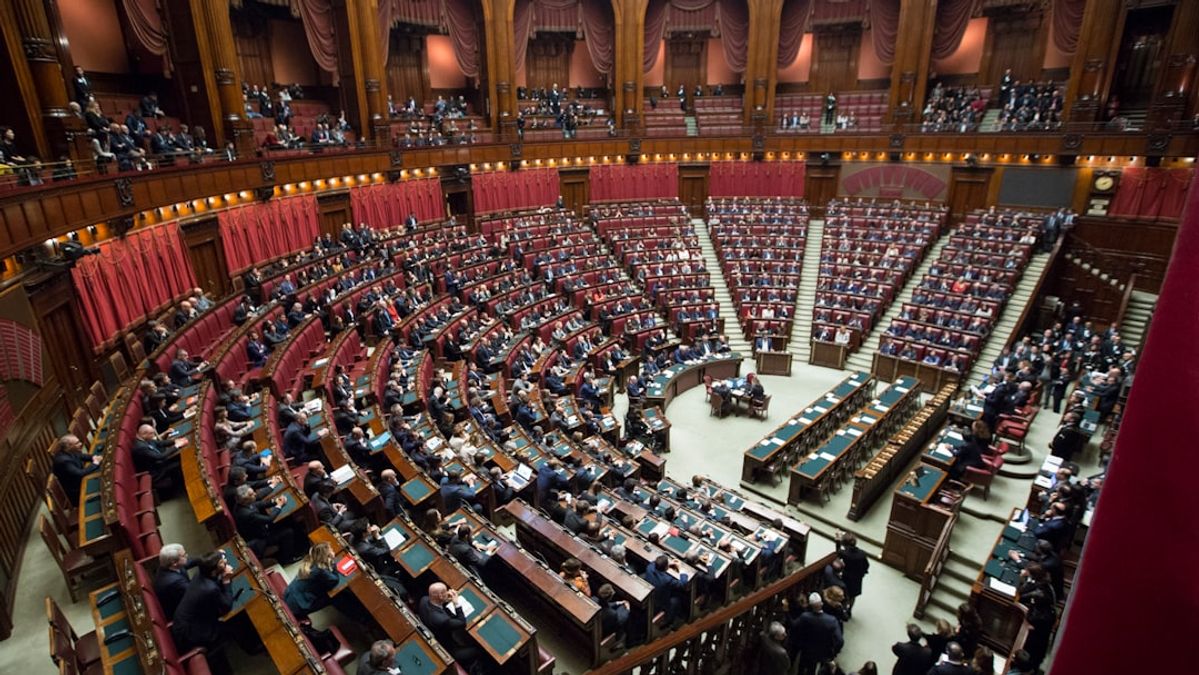
Slovenia's political landscape has undergone a notable shift with the parliamentary approval of Janez Jansa, leader of the right-wing Slovenian Democratic Party (SDS), as Prime Minister. This decision, made on May 22, 2026, by a 51-36 vote in the 90-member National Assembly in Ljubljana, marks Jansa's fourth tenure as the country's leader. His return to power, following a previous term that concluded in 2022, signifies a departure from the recent liberal governance and introduces a new dynamic to both domestic policy and Slovenia's international relations.
Jansa's appointment concludes a two-month post-election stalemate that followed the March 22 elections. The parliamentary vote had resulted in a near tie, with the former liberal Prime Minister Robert Golob's Freedom Movement securing 29 seats and Jansa's SDS coming in second with 28 seats. Neither party initially managed to form a stable parliamentary majority, leading to a period of intense political negotiation. The resolution came on Thursday when Jansa and the SDS successfully forged a coalition agreement with several centre-right groups, including New Slovenia, Democrats, the Slovenian People’s Party, and Focus. This coalition, which now commands 43 seats, also secured additional backing from the right-wing Resnica party, enabling Jansa to garner the necessary votes for his confirmation.
This outcome underscores the fragmented nature of Slovenian politics and the challenges of coalition building in a multi-party system. The ability of Jansa's SDS, despite not winning the most seats, to strategically align with other conservative and centre-right factions highlights the enduring influence of right-wing populism in the country.
Jansa, a 67-year-old veteran politician, has outlined a policy agenda focused on the economy, combating corruption and red tape, and decentralization. Key proposals include lowering taxes for the wealthy and supporting private education and healthcare, aiming for a "cheaper state but with better quality." These economic policies align with traditional right-wing platforms emphasizing fiscal conservatism and private sector growth.
Beyond domestic policy, Jansa's ideological leanings have significant geopolitical implications. He is known for his admiration of former US President Donald Trump and was a close ally of Hungary's former populist Prime Minister Viktor Orban. This alignment places Jansa within a broader European and global trend of right-wing populism, often characterized by nationalist sentiments, skepticism towards multilateral institutions, and a focus on national sovereignty. Notably, Orban's recent defeat in Hungary offers a contrasting narrative, suggesting a potential ebb in the populist tide in some parts of Central Europe, yet Jansa's return indicates its continued resilience in others.
Jansa's return to power is likely to have multifaceted implications for Slovenia's domestic governance and its standing within the European Union. During his previous term, Jansa faced accusations of clamping down on democratic institutions and press freedoms, which led to public protests and scrutiny from the EU. His re-appointment could reignite these concerns, potentially leading to renewed tensions with Brussels over rule of law and fundamental rights. The EU has increasingly emphasized adherence to democratic norms among its member states, and a Jansa-led government might find itself under closer observation.
In terms of foreign policy, Jansa's staunch pro-Israel stance stands in direct contrast to the previous Golob government's decision to recognize a Palestinian state in 2024. This divergence could position Slovenia differently within EU foreign policy discussions, where there is often a push for a more unified European approach to the Israeli-Palestinian conflict. His government's foreign policy will likely reflect a more conservative and nationalist orientation, potentially aligning with a bloc of EU members that prioritize national interests over broader European consensus on certain issues.
Jansa's fourth term represents more than just a change in leadership; it signifies a potential ideological realignment for Slovenia. As an EU member state, Slovenia's internal political shifts inevitably resonate across the bloc, influencing the balance of power and the ongoing debates about the future direction of European integration. The coming months will reveal how Jansa's new government navigates these domestic and international challenges, and what impact his leadership will have on Slovenia's democratic institutions and its role on the global stage.
Source referenced: ALJAZEERA
This brief was synthesized by our Editorial Engine and reviewed by The Ground Narrative team.