TRENDING

Tuesday, 13 October 2026
----------------------
2 Jumada Al-Awwal 1448 AH
Senegalese President Bassirou Diomaye Faye has announced a new government, but his former ally and party leader Ousmane Sonko's Pastef party has refused to join, highlighting a significant internal power struggle and potential governance challenges for the West African nation.
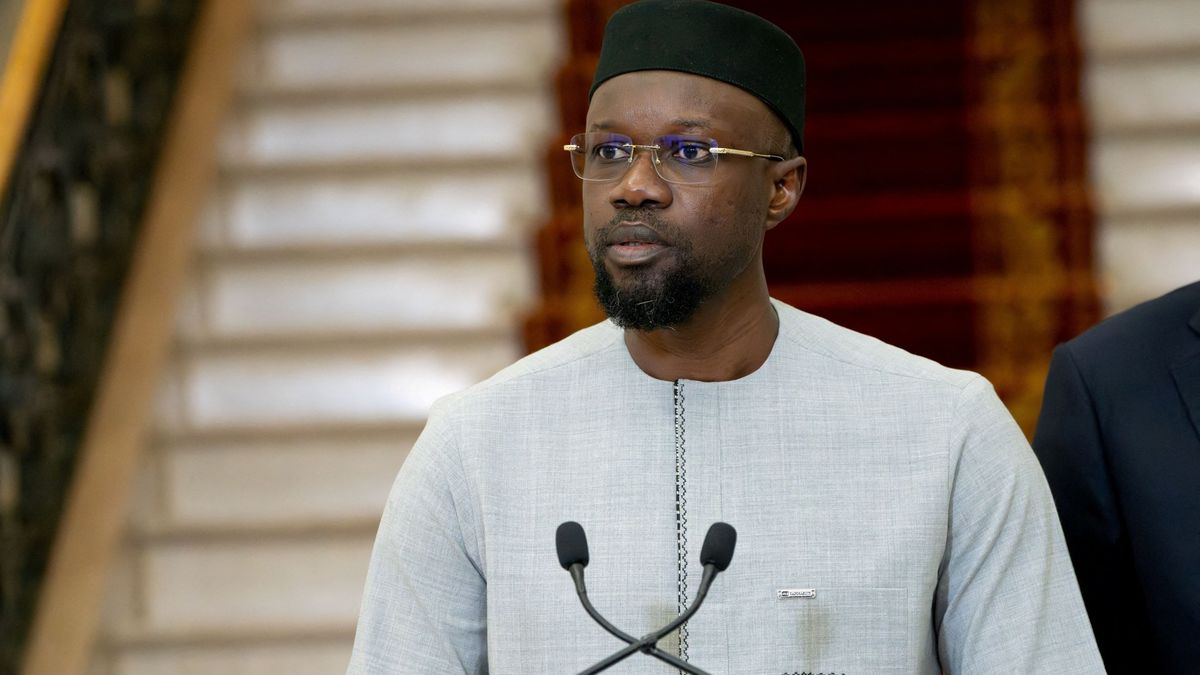
Senegal's political landscape is navigating a period of significant internal friction following President Bassirou Diomaye Faye's announcement of a new government on June 2, 2026. The formation of the cabinet has been immediately overshadowed by the refusal of the Pastef party, led by Faye's former mentor and ally Ousmane Sonko, to participate. This development underscores a deepening power struggle between the two figures who rose to prominence together, posing a critical test for Senegal's democratic stability and its capacity for effective governance.
The current political tension stems from a complex relationship between President Faye and Ousmane Sonko. Both are prominent figures within the Pastef party, which Sonko founded in 2014 and which now commands a substantial majority of 130 out of 165 seats in Senegal's parliament. Faye's ascent to the presidency in April 2024 was largely facilitated by Sonko's immense popularity, particularly among the youth, and his pan-Africanist rhetoric. Sonko himself was barred from contesting the presidential election due to a defamation conviction, making Faye his chosen successor and, initially, his Prime Minister.
However, the alliance began to fray rapidly. Less than two weeks prior to the government announcement, President Faye dismissed Sonko from his prime ministerial post and dissolved the previous cabinet, citing disagreements, notably over the nation's troubled economy. In a swift counter-move that highlighted his enduring influence, Sonko was promptly elected speaker of parliament by his allies, a vote boycotted by the opposition. This sequence of events set the stage for the current standoff, where Sonko, despite being a key architect of Faye's political success, has opted for a confrontational stance.
Sonko's decision to boycott the new government, communicated via a post on X, followed a meeting with President Faye where "points of disagreement" emerged regarding the future role of the Pastef party. While specific details remain guarded, the core of the dispute appears to revolve around leadership dynamics and policy direction. Faye's earlier comment about the need to "depersonalise" the Pastef party from any single dominating leader was a clear signal of his intent to assert presidential authority, potentially clashing with Sonko's strong personality and continued leadership of the party.
Furthermore, the article hints at a divergence in economic philosophy. President Faye has indicated openness to discussions with the International Monetary Fund (IMF) for a new loan program, signaling a potentially orthodox approach to addressing Senegal's "crippling debt." In contrast, Sonko has advocated for a more "sovereign approach," which could imply a preference for less external financial intervention or different terms. The appointment of senior economist Ahmadou Al Aminou Mohamed Lo as the new Prime Minister, tasked with steering Senegal out of its debt, suggests Faye's commitment to his chosen economic path, potentially at odds with Sonko's vision.
The internal political rift carries significant implications for Senegal's governance and regional standing. A government operating without the full backing of the ruling party, which controls the legislative body, faces inherent challenges. This could lead to legislative gridlock, hindering the implementation of critical economic reforms and other policy initiatives. The absence of senior Pastef figures loyal to Sonko from the new cabinet, despite the inclusion of some party members, suggests a deliberate move by Faye to consolidate his executive authority, potentially at the cost of party unity.
For Senegal, long considered a bastion of democratic stability in a West African region frequently plagued by coups and political instability, this deepening crisis is a critical test. Prolonged internal political infighting could undermine investor confidence, delay much-needed economic recovery, and potentially erode public trust in democratic institutions. The ability of President Faye to effectively govern and implement his agenda will depend heavily on his capacity to navigate this complex relationship with Sonko and the powerful Pastef party, or to forge new alliances.
The coming months will be crucial for Senegal. President Faye must demonstrate strong leadership to consolidate his authority and ensure the functionality of his new government. Simultaneously, the dynamic between Faye and Sonko, and the broader Pastef party, will determine the extent of political stability. Whether this internal struggle evolves into a functional separation of powers or escalates into sustained political paralysis remains to be seen. The outcome will not only shape Senegal's domestic trajectory but also influence perceptions of democratic resilience across the wider West African region.
Source referenced: ALJAZEERA
This brief was synthesized by our Editorial Engine and reviewed by The Ground Narrative team.