TRENDING

Friday, 16 October 2026
----------------------
5 Jumada Al-Awwal 1448 AH
Andy Burnham's transition from "King of the North" to UK Prime Minister signals potential shifts in Britain's international role, particularly concerning US relations, Middle East policy, and engagement with the European Union. His domestic pragmatism will now be tested on a complex global stage.
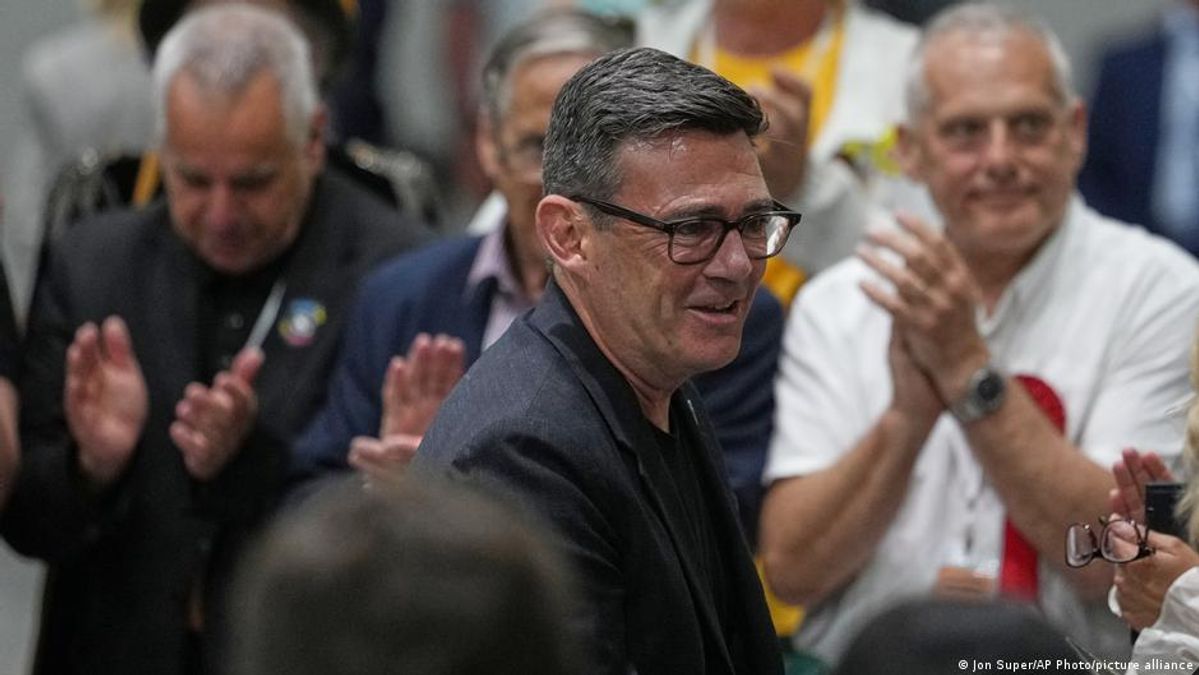
The recent political landscape in the United Kingdom has seen a significant shift with Andy Burnham's appointment as Prime Minister, succeeding Keir Starmer after a swift ascent. Burnham, previously known as the "King of the North" for his successful nine-year tenure as Mayor of Manchester, secured a parliamentary by-election by a wide margin in June, subsequently becoming the Labour Party leader and moving into Downing Street on July 20. His rise is largely attributed to his approachable image, pragmatic leadership, and a track record of fostering economic growth and reducing poverty in Manchester, qualities Labour hopes will counter the growing influence of Nigel Farage's Reform UK party. However, his transition from a domestically focused leader to a global statesman presents a formidable challenge, as he must rapidly establish Britain's international posture amidst a complex geopolitical environment.
One of the most immediate and critical foreign policy challenges for Prime Minister Burnham will be managing the United Kingdom's "special relationship" with the United States. This alliance is foundational for Britain's security and its service-based economy, underscored by intelligence cooperation through the Five Eyes alliance. The prospect of a potential return of Donald Trump to the US presidency adds a layer of complexity. Trump's recent dismissive remark about Burnham, coupled with his strained relations with former Prime Minister Starmer over issues like the use of British military bases for strikes on Iran, highlights the potential for friction. Burnham will need to carefully navigate this relationship, ensuring continued security cooperation while potentially asserting a more independent British foreign policy stance where necessary. The retention of Jonathan Powell as National Security Adviser, a diplomat with strong ties in Washington, is a strategic asset that could aid in this delicate balancing act.
Prime Minister Burnham is poised to steer a new course regarding the Middle East, a region of enduring geopolitical significance. He has pledged to increase pressure on the Israeli government, advocating for tougher sanctions and a ban on trade in goods from illegal settlements. Furthermore, he has issued an apology for Britain's initial support of Israel's military campaign in Gaza. This stance marks a notable departure from previous UK government positions and could signal a more critical approach to Israeli policies. Such a shift could have significant diplomatic implications, potentially altering Britain's relationships with key regional actors and its standing within international forums addressing the Israeli-Palestinian conflict. The motivations behind this shift appear to be rooted in a desire to align UK policy more closely with international humanitarian concerns and potentially to differentiate Britain from the US on this sensitive issue.
Despite potential shifts in other areas, Burnham has signaled continuity in Britain's unwavering support for Ukraine. He has explicitly linked Britain's security to Ukraine's, indicating that President Volodymyr Zelenskyy can expect sustained assistance, mirroring the robust support provided by his predecessor, Starmer. This commitment reinforces Britain's role alongside France and Germany in Europe's "coalition of the willing" against Russian aggression. Additionally, Burnham has pledged to maintain Britain's nuclear deterrent, underscoring a commitment to national security and strategic stability. Beyond Ukraine, there is emerging discussion about a more ambitious European security pact. Experts like Mihir Sharma of the IPPR suggest Burnham could propose a comprehensive pact encompassing military cooperation, clean technology supply chains, and artificial intelligence. This initiative could see Britain seeking new defense partners within the EU, such as the Nordic countries or Poland, potentially reshaping European defense architecture and strengthening the continent's collective security posture, particularly in the wake of Brexit.
The question of how Prime Minister Burnham will approach relations with the European Union remains a key area of speculation. While he previously expressed a long-term hope for Britain to rejoin the EU "within my lifetime," experts like Anand Menon of King's College London are skeptical about an immediate "reset." Menon suggests that Burnham might prioritize other issues, given the significant political effort required for a comprehensive EU reset with potentially limited immediate returns. However, the long-term potential for closer ties is not dismissed. A decline in migration to Britain in recent years could open the door for London to reconsider limited immigration from the EU, which in turn might pave the way for enhanced economic cooperation and contribute to reviving Britain's economy. This nuanced approach suggests a pragmatic balancing act, where immediate political realities might temper long-term aspirations, but strategic opportunities for closer engagement could be explored over time, especially if a European security pact gains traction.
In conclusion, Andy Burnham's transition to Prime Minister marks a pivotal moment for the United Kingdom's international role. His domestic success, built on pragmatism and an approachable style, will now be tested on the global stage. From navigating the complexities of the US "special relationship" under a potentially returning Trump administration, to charting a new course in the Middle East, and balancing continuity in Ukraine support with a nuanced approach to EU relations, Burnham faces a formidable array of geopolitical challenges. His ability to translate his domestic political acumen into effective international diplomacy will define Britain's standing and influence in a rapidly evolving world order.
Source referenced: DW
This brief was synthesized by our Editorial Engine and reviewed by The Ground Narrative team.