TRENDING

Thursday, 17 September 2026
----------------------
6 Rabi' Al-Thani 1448 AH
Explosions rattled Kyiv as the U.S. House approved a sweeping sanctions package on Russia, just days before a tightly controlled Duma election. The analysis uncovers who gains, who suffers, and what the next moves could mean for the war’s trajectory.
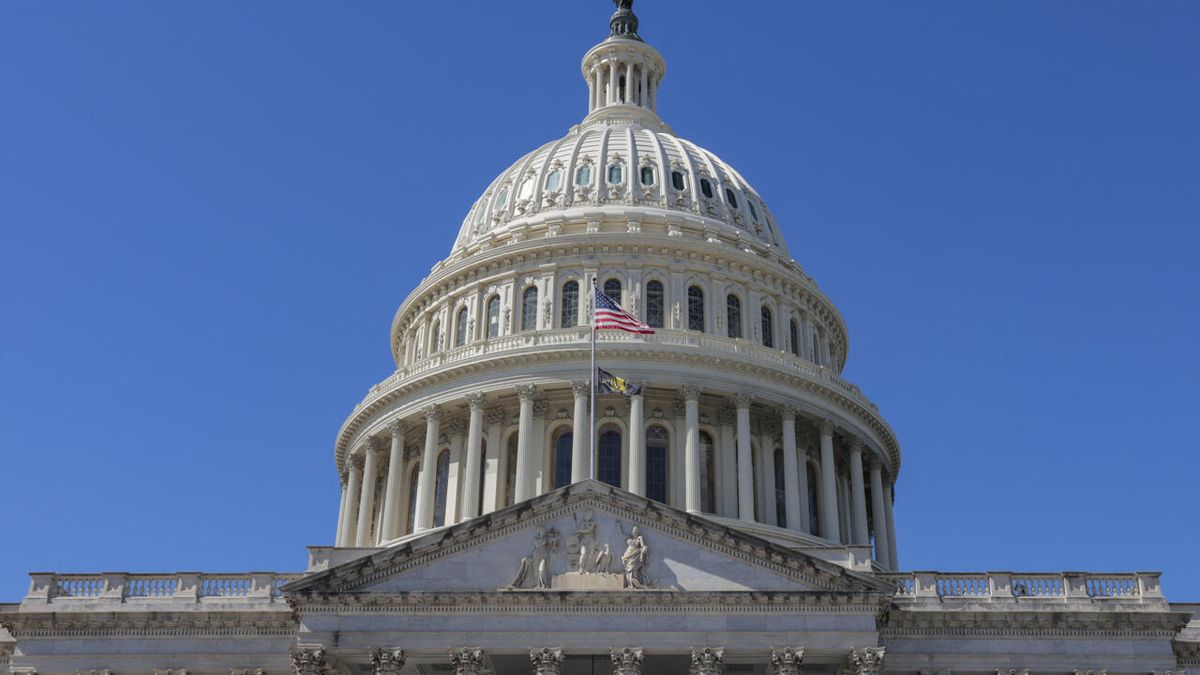
On the night of September 17, 2026, residents of Kyiv heard a cascade of strong explosions after the city’s air‑raid alert was raised. Russian strikes injured at least 13 people across Kyiv and Odesa, while a Ukrainian drone set fire to an oil refinery in Yaroslavl, Russia. Simultaneously, the U.S. House of Representatives passed a broad sanctions bill – the most ambitious anti‑Russian package since President Trump returned to the White House – and sent it to the president for signature.
The timing of the sanctions package reveals a convergence of domestic and international incentives. In Washington, the new Congress, still reshaping its post‑2024 agenda, faces pressure from a public that demands a decisive response to Russia’s war. Lawmakers also seek to cement President Donald Trump’s renewed hard‑line posture, which he has used to rally NATO allies into higher defence spending. The bill targets Russian officials, banks, and the shadow tanker fleet that keeps Moscow’s energy exports flowing, and it instructs the president to impose up to 100 % tariffs on the top five importers of Russian oil or gas – a move designed to choke revenue streams while offering exemptions to countries that have cut Russian gas imports below 15 %.
In Moscow, the upcoming State Duma election is engineered to project domestic legitimacy. All parties on the ballot are either United Russia or Kremlin‑aligned, and the only anti‑war party has been barred. By holding the first parliamentary vote since the 2022 invasion, the Kremlin aims to claim popular endorsement of the conflict, even as the war’s costs mount. The Ukrainian drone strike on the Yaroslavl refinery signals an expanding Ukrainian capability to hit strategic Russian infrastructure, raising the stakes for Moscow’s energy‑dependent economy.
Both sides are playing a high‑stakes game of resource denial. The U.S. sanctions seek to undercut the fiscal base that funds the Russian military, while Ukraine’s recent attacks aim to disrupt the very assets the sanctions target. The overlap creates a feedback loop: each new sanction raises the price of Russian oil, prompting Moscow to seek alternative markets, which in turn fuels the Kremlin’s narrative of Western aggression.
For Kyiv’s civilians, the explosions translate into shattered windows, disrupted utilities, and the constant anxiety of sheltering. The injured include a mix of commuters, shop owners, and pensioners who were simply on the streets when the missiles struck. In Odesa, a key port city, damage to warehouses and a nearby petrol station threatens local supply chains, raising the risk of fuel shortages for ordinary families.
In Russia, workers at the Yaroslavl refinery face uncertain futures. Even though the fire was extinguished, the plant’s output will likely be curtailed, jeopardizing jobs in a region already strained by sanctions‑induced economic slowdown. Moreover, the broader Russian populace feels the pinch of the looming tariffs and banking restrictions, which could erode savings and increase the cost of imported goods.
Across the globe, energy‑dependent economies watch the sanctions’ ripple effects. Countries that import a significant share of Russian gas – notably in Europe – may see price spikes that affect household heating bills, while nations that have diversified away from Russian energy could gain a competitive edge.
Official statements from Washington emphasize the moral imperative of “holding Putin accountable,” yet they downplay the political calculus of a president seeking a foreign‑policy win ahead of the 2028 election cycle. The sanctions bill also skirts a deeper reckoning with the shadow tanker fleet, whose owners operate through opaque shell companies that can quickly re‑register vessels under different flags, limiting the bill’s long‑term efficacy.
Moscow’s narrative frames the Duma vote as a democratic endorsement, but the exclusion of any genuine opposition erodes the legitimacy of the result. The Kremlin also omits the growing domestic dissent that has manifested in sporadic protests and a deteriorating standard of living, factors that could destabilize the regime if economic pressure intensifies.
Finally, the EU’s call for tighter visa regimes and “hybrid‑attack” countermeasures is presented as a unified front, yet internal divisions persist over how aggressively to sanction Russian oligarchs linked to Western financial hubs. These fissures are largely invisible in the public discourse.
* Duma Election Outcome – The vote on September 22 will be a litmus test for Kremlin confidence. A high turnout with predictable results may embolden Moscow, while any unexpected protest activity could signal cracks.
* U.S. Senate Action – The House bill now faces Senate scrutiny. Amendments or delays could reshape the sanctions’ scope, especially concerning the shadow fleet and tariff thresholds.
* Ukrainian Counter‑Strikes – If Kyiv continues to target Russian energy infrastructure, Moscow may respond with escalated missile campaigns, raising civilian risk in Ukrainian cities.
* Energy Market Shifts – Global oil prices will react to the combined effect of sanctions and reduced Russian output. Watch for price volatility that could pressure European governments to adjust their energy strategies.
* Domestic Sentiment – In both Ukraine and Russia, public opinion will be tested by the twin pressures of war fatigue and economic hardship. Grassroots reactions, though rarely highlighted, will shape the political calculus of all actors involved.
By tracing these intersecting forces, the picture that emerges is one of a conflict increasingly fought on financial and informational fronts as much as on the battlefield, with ordinary citizens bearing the brunt of every policy decision.
Editor's Note: All events are drawn from the provided live report; deeper intelligence on sanction enforcement mechanisms remains limited.
Source referenced: FRANCE24
This brief was synthesized by our Editorial Engine and reviewed by The Ground Narrative team.