TRENDING

Thursday, 17 September 2026
----------------------
6 Rabi' Al-Thani 1448 AH
The United States has extended its visa ban on Palestinian Authority and PLO officials, blocking President Mahmoud Abbas from speaking at the UN General Assembly. The move highlights a power play that favors one side of the conflict while ordinary Palestinians bear the fallout.
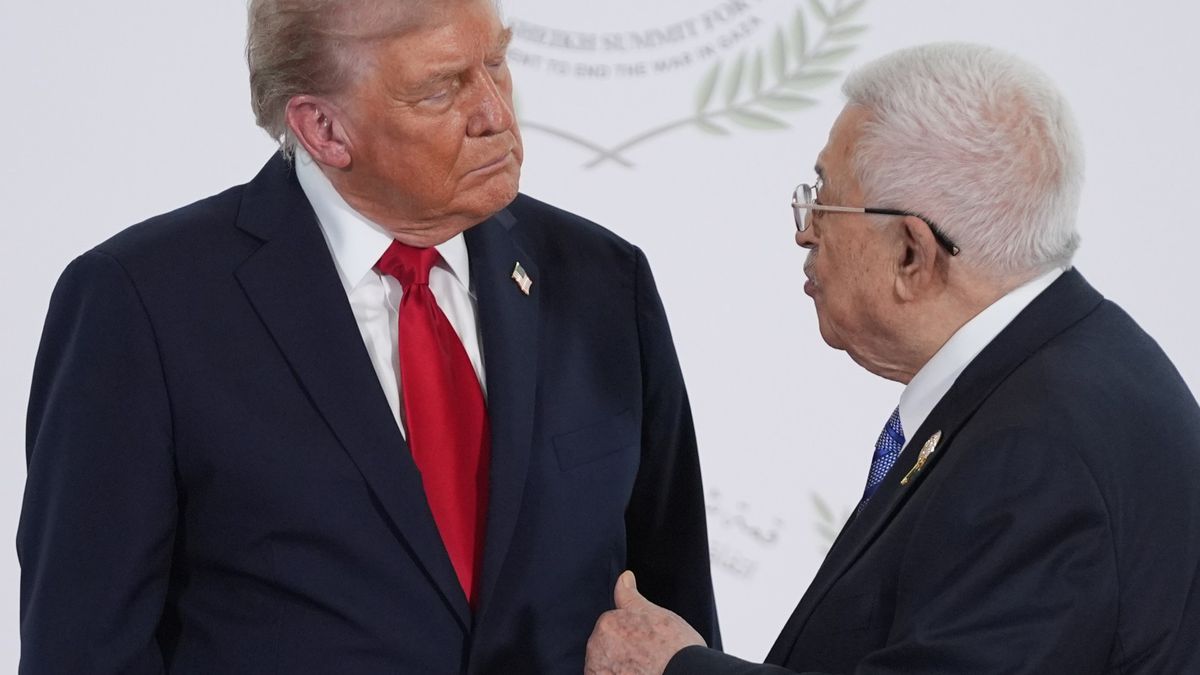
The U.S. State Department announced on 17 September 2026 that it will extend visa sanctions on Palestinian Authority (PA) officials and members of the Palestine Liberation Organization (PLO), preventing President Mahmoud Abbas from traveling to New York for his scheduled UN General Assembly address. The ban is justified by Washington as a response to “failure to reform” and “activities that undermine peace,” including the PA’s pursuit of statehood recognition outside direct talks and payments to families of individuals the U.S. and Israel label as attackers.
The decision sits at the intersection of three structural forces. First, U.S. domestic politics: congressional pressure to appear tough on groups perceived as supporting terrorism translates into punitive visa policies that signal resolve to a right‑leaning electorate. Second, the U.S.–Israel alliance: by restricting Palestinian officials while leaving Israeli leaders untouched—even after an ICC arrest warrant for Prime Minister Benjamin Netanyahu—the United States reinforces its strategic partnership, ensuring continued military aid and diplomatic backing. Third, the international recognition race: recent recognitions of Palestinian statehood by the UK, France, Canada and others threaten to shift the diplomatic balance. By barring Abbas from the UN podium, Washington curtails a high‑visibility platform that could accelerate that trend, while still allowing the PA’s routine UN staff to operate under a waiver, preserving the façade of multilateral engagement.
The visa ban reverberates far beyond diplomatic corridors. Families in the West Bank and Gaza lose a rare opportunity to hear their leader articulate grievances on a global stage, a moment that can galvanize civil society and attract humanitarian aid. Humanitarian NGOs that rely on UN attention to secure funding find their advocacy hampered, potentially delaying relief shipments to a population already facing severe shortages of water, medicine and shelter. Palestinian entrepreneurs who depend on international exposure for trade deals lose a channel that could attract investment or partnerships, deepening economic stagnation in an area where unemployment hovers above 30 %. The psychological toll—feelings of marginalisation and disenfranchisement—feeds a cycle that can fuel further unrest.
Official statements frame the ban as a legal response to “violations of U.S. law.” What is omitted is the asymmetry of accountability. No comparable travel restrictions target Israeli officials, even as the International Criminal Court has issued an arrest warrant for Netanyahu over alleged war crimes. The waiver that lets the PA’s UN staff remain in New York creates a double‑standard narrative: the United States claims to uphold the UN Headquarters Agreement while selectively applying it. Moreover, the ban sidesteps the broader U.S. arms pipeline to Israel, highlighted by a separate pending approval of 60,000 heavy bombs. By focusing criticism on Palestinian “non‑reform,” Washington diverts attention from its own role in sustaining the military imbalance that underpins the conflict.
Watch for three developments. 1) Congressional hearings on the visa policy could become a flashpoint, especially if progressive lawmakers push back against perceived bias. 2) UN reactions: the General Assembly may issue a resolution condemning the ban, testing the limits of the U.S. veto power in the Security Council. 3) Regional diplomatic moves: if more European states follow the recent recognitions, the United States may face pressure to either lift the ban or double down, influencing the calculus of future peace negotiations. The interplay of these signals will shape whether the visa ban remains a symbolic gesture or escalates into a broader diplomatic rift.
Source referenced: ALJAZEERA
This brief was synthesized by our Editorial Engine and reviewed by The Ground Narrative team.


