TRENDING

Thursday, 17 September 2026
----------------------
6 Rabi' Al-Thani 1448 AH
Chinese and French foreign ministers discussed bilateral ties, Taiwan, and trade over a phone call, revealing how great‑power diplomacy shapes everyday markets and regional stability.
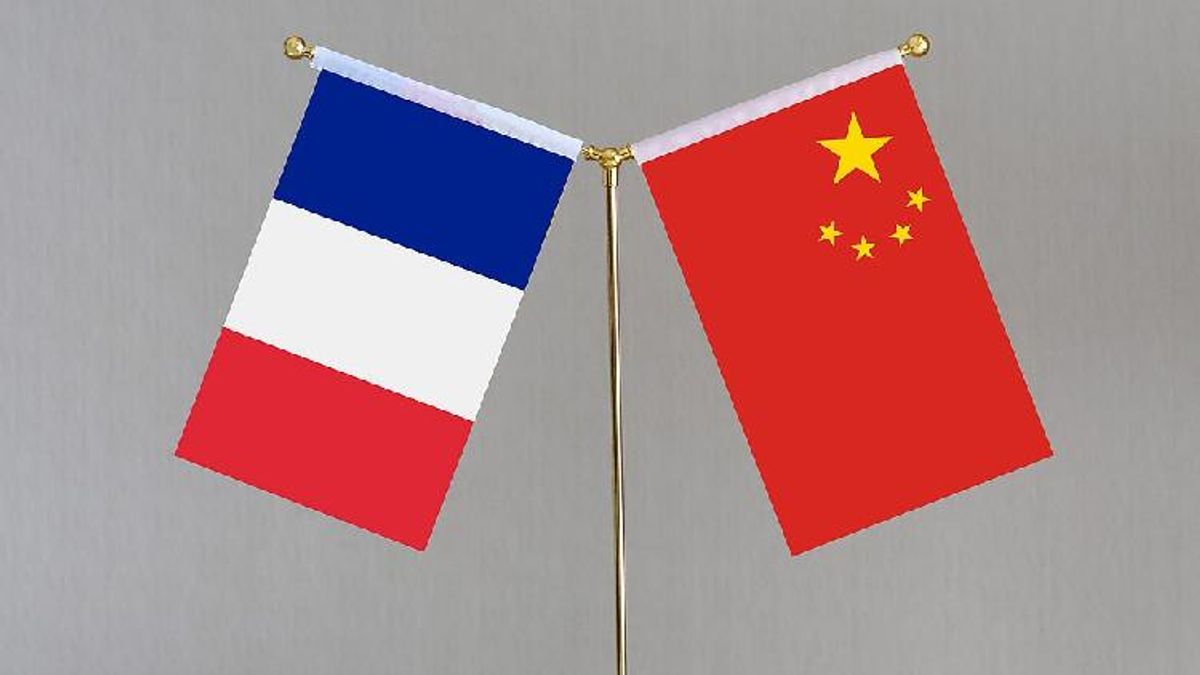
Chinese Foreign Minister Wang Yi and French Foreign Minister Jean‑Noël Barrot spoke on Monday at France’s request. The two officials reaffirmed the "one‑China" principle, pledged cooperation in the UN Security Council, and touched on Iran, Ukraine and a Chinese proposal for a new Middle‑East security framework.
Both leaders are operating under layered incentives. China seeks to cement its status as a permanent UN Security Council member while neutralising any diplomatic space for Taiwan independence. By securing French verbal support, Beijing hopes to blunt criticism from Washington and its allies, and to present a united front within the Council as it rotates the presidency to France this month.
France balances its historic ties to China with its commitments to the EU and NATO. Paris benefits from Chinese investment and a massive export market, yet it must also manage domestic pressure from industries hurt by alleged Chinese dumping and from constituencies wary of Beijing’s human‑rights record. By emphasizing “strategic communication” and “constructive engagement,” Barrot signals to European partners that France can act as a bridge without abandoning EU cohesion.
The EU‑China trade friction is another structural force. European protectionist rhetoric has risen after supply‑chain disruptions, but Wang warned that tariffs would raise inflation and slow the green transition—an argument aimed at European policymakers who are juggling climate goals with industrial competitiveness. The call thus serves as a diplomatic lever for China to push back against a potential EU‑wide trade war while keeping French industry hopeful of market access.
Finally, the UN Security Council dynamic matters. With France holding the rotating presidency, Beijing’s request for “strategic communication” is a bid to shape agenda‑setting, especially on contentious issues like Taiwan, Iran and the Ukraine conflict, where Chinese positions often diverge from Western consensus.
The human cost of these high‑level assurances is uneven. Taiwanese citizens remain exposed to diplomatic isolation; any softening of French language on Taiwan can translate into fewer international partnerships and heightened military risk. European consumers may feel the price of protectionist measures—higher energy bills, pricier electronics, and slower rollout of green technologies—if the EU escalates tariffs in response to Chinese complaints.
In France, workers in sectors dependent on Chinese imports—automotive parts, electronics, and renewable‑energy components—face uncertainty. A slowdown in trade could trigger layoffs or wage pressure, especially in regions already grappling with deindustrialisation. Meanwhile, Chinese exporters eye the EU market as a lifeline for growth; any curtailment would affect factories in coastal provinces where employment is tied to foreign demand.
Across the Middle East, populations caught in protracted conflicts could see a shift if China’s four‑point security proposal gains traction. While the plan promises a “global public good,” its implementation will hinge on Beijing’s willingness to engage with regional powers that have historically been aligned with the United States.
What the official transcript omits is the quiet competition between the United States and China for influence over France’s diplomatic posture. Washington has been urging European allies to adopt a firmer stance on Taiwan and to limit technology transfers to Beijing. By publicly reinforcing the one‑China principle, France walks a tightrope, appeasing Beijing while avoiding a direct clash with the U.S.
Equally under‑reported is China’s strategic use of the UN Security Council presidency. By supporting France’s agenda, Beijing hopes to embed its own security proposals—like the Middle‑East framework—into the Council’s work, thereby legitimising its role as a global peace‑broker and diluting Western narratives.
Lastly, the call sidesteps internal EU debates over strategic autonomy. French endorsement of Chinese market access may embolden member states that favour deeper economic ties with Beijing, potentially slowing EU efforts to develop independent supply chains for critical technologies.
Watch how France’s actions at the UN Security Council align with Beijing’s security proposals in the coming weeks; any joint statements will signal the depth of their coordination. Monitor EU trade negotiations for signs of a shift toward de‑escalation or, conversely, a hardening of tariffs—both outcomes will directly affect European consumers and Chinese exporters.
In the background, U.S. diplomatic responses—whether through public statements or behind‑the‑scenes lobbying of European capitals—will indicate how the Atlantic alliance perceives France’s overtures to Beijing. Finally, the implementation of China’s Middle‑East security plan will reveal whether Beijing can translate diplomatic language into tangible peace‑building, a factor that could reshape regional power balances and impact global energy markets.
By tracking these threads, ordinary citizens can gauge how a phone call between two diplomats reverberates through markets, security forums, and everyday lives worldwide.
Source referenced: CGTN
This brief was synthesized by our Editorial Engine and reviewed by The Ground Narrative team.


