TRENDING

Thursday, 17 September 2026
----------------------
6 Rabi' Al-Thani 1448 AH
President Trump says the Iran conflict may be winding down, but the fighting has already cost thousands of lives and spiked global oil prices, leaving ordinary people to bear the brunt.
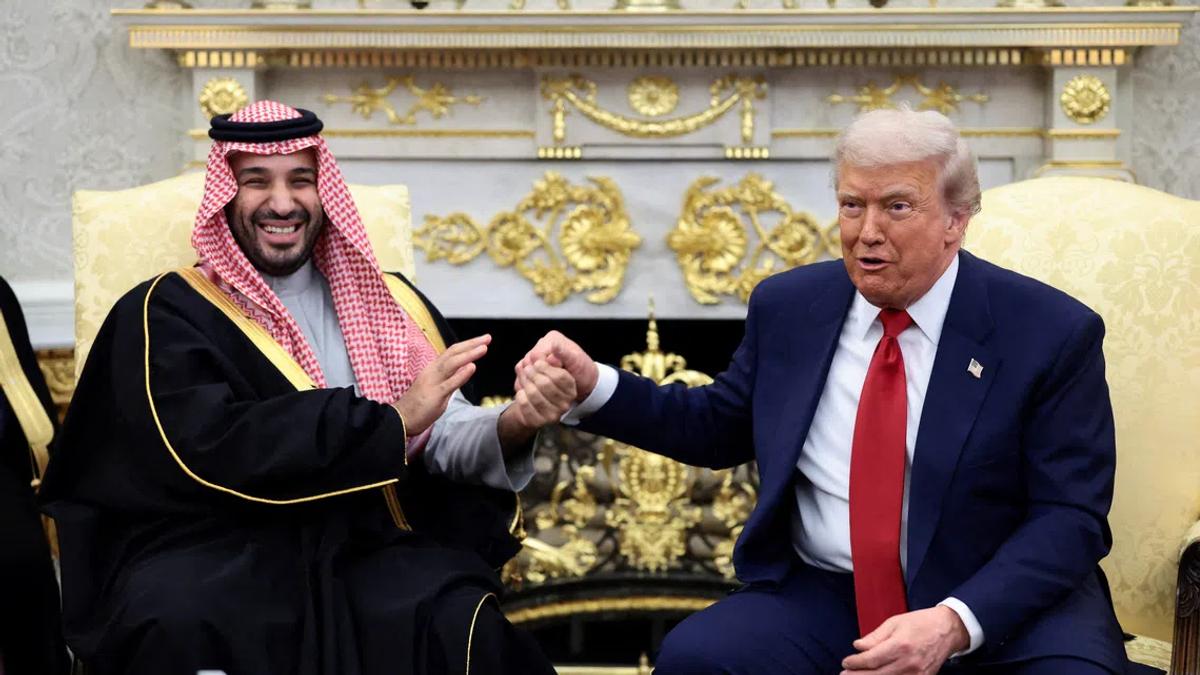
On September 16, 2026, former President Donald Trump told reporters he hoped the war against Iran was “towards the end.” The comment came as the United States and Israel entered their seventh month of hostilities that began on February 28 with coordinated strikes on Iranian territory, prompting Iranian retaliation against Israel and U.S. bases in the Gulf. A separate report said Trump will meet Gulf Cooperation Council (GCC) leaders at the UN General Assembly to discuss a post‑war strategy.
Domestic politics and election calculus. With the U.S. midterm elections looming in November, the Republican Party faces pressure to contain rising energy costs that have eroded voter confidence. By framing the conflict as nearing a conclusion, Trump signals a willingness to deliver a “peace dividend” that could soften the political blow.
Gulf states’ security calculus. Saudi Arabia, the UAE, Qatar, Bahrain, Kuwait and Oman host U.S. bases that have become targets for Iranian missiles. Their leaders are eager for a diplomatic exit that preserves the security umbrella while avoiding a costly escalation that could spill into their own territories.
Israel’s strategic depth. Israel’s involvement is driven by its own security concerns over Iran’s missile capabilities and the specter of a nuclear‑armed Tehran. The partnership with the United States amplifies American leverage but also ties U.S. policy to Israeli military objectives.
Oil market dynamics. The war has pushed global oil and gas prices upward, feeding inflationary pressures worldwide. Energy‑dependent economies and low‑income households feel the pinch, turning the conflict into a lever for domestic political narratives in both the U.S. and Europe.
Defense industry incentives. U.S. defense contractors benefit from sustained procurement of weapons systems for the Middle East theater. A prolonged conflict sustains a pipeline of contracts, creating a structural bias toward maintaining the status quo.
The human toll extends far beyond the battlefield. Iranian cities have endured airstrikes that have killed thousands and displaced millions, many of whom are fleeing to neighboring Iraq and Turkey in search of shelter. In Israel, civilian casualties from Iranian missile attacks have compounded war fatigue. Gulf states, while less directly hit, have seen their expatriate labor forces—largely South Asian migrants—face job insecurity as oil‑price shocks ripple through construction and service sectors. Across the globe, higher fuel prices have squeezed household budgets, disproportionately affecting low‑income families who spend a larger share of income on energy. The war’s ripple effects have also strained regional health systems already stretched by the COVID‑19 aftermath, limiting access to care for the displaced and injured.
Selective messaging. Trump’s brief optimism sidesteps the reality that no concrete cease‑fire framework has been presented. Official statements from the State Department remain silent, allowing the administration to project a narrative of progress without committing to specifics.
GCC’s hidden agenda. While publicly seeking stability, GCC states are quietly negotiating arms deals and security guarantees that could lock them into a longer‑term dependence on U.S. military support, a point rarely highlighted in mainstream coverage.
Iran’s internal pressures. Tehran’s leadership faces domestic unrest over war casualties and economic hardship from sanctions. Yet state media frames the conflict as a patriotic defense, obscuring dissent that could influence future diplomatic calculations.
Economic externalities. Global supply chains, especially in petrochemicals, are feeling the strain, yet corporate earnings reports often downplay the war’s contribution to price volatility, attributing it instead to “market dynamics.”
Watch for the outcomes of Trump’s UNGA meetings with GCC leaders. Any formal proposal for a cease‑fire or a post‑war security architecture could shift the balance of power in the Gulf. Simultaneously, the U.S. midterm elections will test whether Republican voters reward or punish the administration’s handling of the war and energy prices. On the ground, the intensity of Iranian missile launches and Israeli retaliatory strikes will indicate whether both sides are moving toward a negotiated pause or preparing for a broader escalation. Finally, monitor oil price trajectories; a sudden dip could ease domestic pressures, while sustained highs may reignite public demand for a swift end to hostilities.
Editor's Note: Analysis based on publicly available statements and reporting; some diplomatic details remain unconfirmed.
Source referenced: STRAITSTIMES
This brief was synthesized by our Editorial Engine and reviewed by The Ground Narrative team.


