TRENDING

Sunday, 20 September 2026
----------------------
9 Rabi' Al-Thani 1448 AH
In early 2026 China became Rwanda’s top export market after slashing tariffs, but meeting Chinese sanitary standards now threatens to stall the surge. The shift reshapes power ties, while Rwandan producers grapple with costly upgrades and uncertain returns.
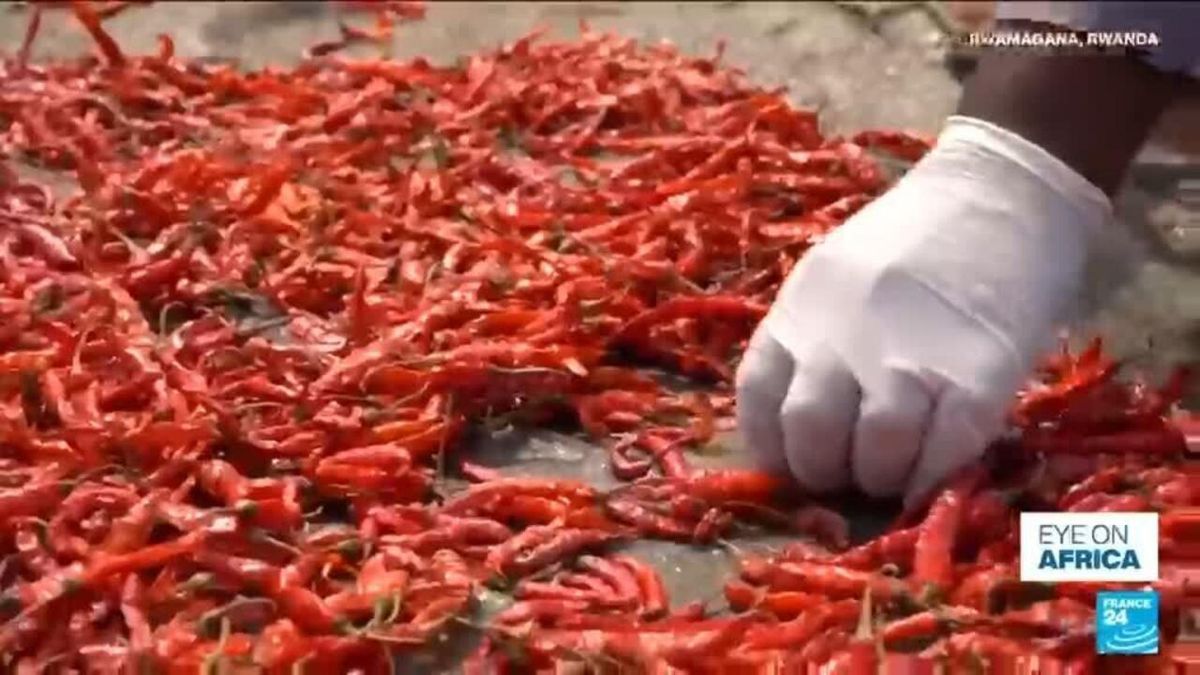
In the first quarter of 2026, China accounted for 26% of Rwanda’s total exports, up from under 5% a year earlier. The rapid jump followed Beijing’s decision to remove tariffs on almost all Rwandan products, creating a potential market of 1.4 billion consumers. However, access now hinges on Rwandan exporters meeting stringent Chinese sanitary and phytosanitary (SPS) standards.
The tariff removal was a calculated move by Beijing to secure raw material supplies and deepen its foothold in Africa’s supply chains. By offering a tariff‑free gateway, China incentivizes Rwanda to align its agricultural sector with Chinese regulatory frameworks, effectively making Kigali a de‑facto satellite supplier. For Kigali, the policy promises foreign‑exchange earnings and a diversification away from traditional EU markets, but it also creates dependency on a single, demanding buyer. The shift dovetails with China’s broader Belt‑and‑Road agenda, where infrastructure loans and trade concessions are bundled to lock in political goodwill and strategic leverage across the continent.
Smallholder farmers and cooperative leaders bear the immediate burden. To satisfy Chinese SPS rules, many must invest in cold‑chain logistics, laboratory testing, and certification processes that far exceed current capacities. For a sector where over 80% of producers operate on subsistence margins, the cost of compliance can eclipse profit margins, forcing some to abandon export ambitions altogether. Rural women, who dominate Rwanda’s coffee and tea harvests, risk losing income streams if their cooperatives cannot upgrade. Urban consumers may see higher prices as exporters pass compliance costs downstream, while the national treasury faces pressure to subsidize testing labs and training programs.
Official Rwandan statements celebrate the trade breakthrough, emphasizing “win‑win” growth, while downplaying the structural mismatch between Chinese standards and local production realities. Beijing, for its part, frames the tariff cut as a gesture of “mutual benefit,” omitting the strategic calculus of securing a reliable source of agricultural inputs for its own domestic food security agenda. Neither side highlights how the arrangement could erode Rwanda’s bargaining power with other partners, such as the EU or the United States, who may view the pivot to China as a lever to extract concessions on market access or aid.
Watch for Rwanda’s policy response: the government may roll out subsidies, public‑private partnerships, or fast‑track certification schemes to bridge the compliance gap. International donors could step in, positioning themselves as alternatives to Chinese financing by funding SPS capacity building. Conversely, any tightening of Chinese import standards—or a shift in Beijing’s trade priorities—could leave Rwandan exporters exposed, prompting a scramble for new markets. The evolution of this trade dynamic will signal how African states balance the lure of Chinese market access against the risk of regulatory lock‑in and economic dependency.
Source referenced: FRANCE24
This brief was synthesized by our Editorial Engine and reviewed by The Ground Narrative team.


