TRENDING

Sunday, 20 September 2026
----------------------
9 Rabi' Al-Thani 1448 AH
France’s surge in bioethanol use is a response to soaring petrol prices, reshaping the energy market, agricultural sector, and everyday commuters. The shift reveals hidden trade‑offs between cheap fuel, food security, and climate promises.
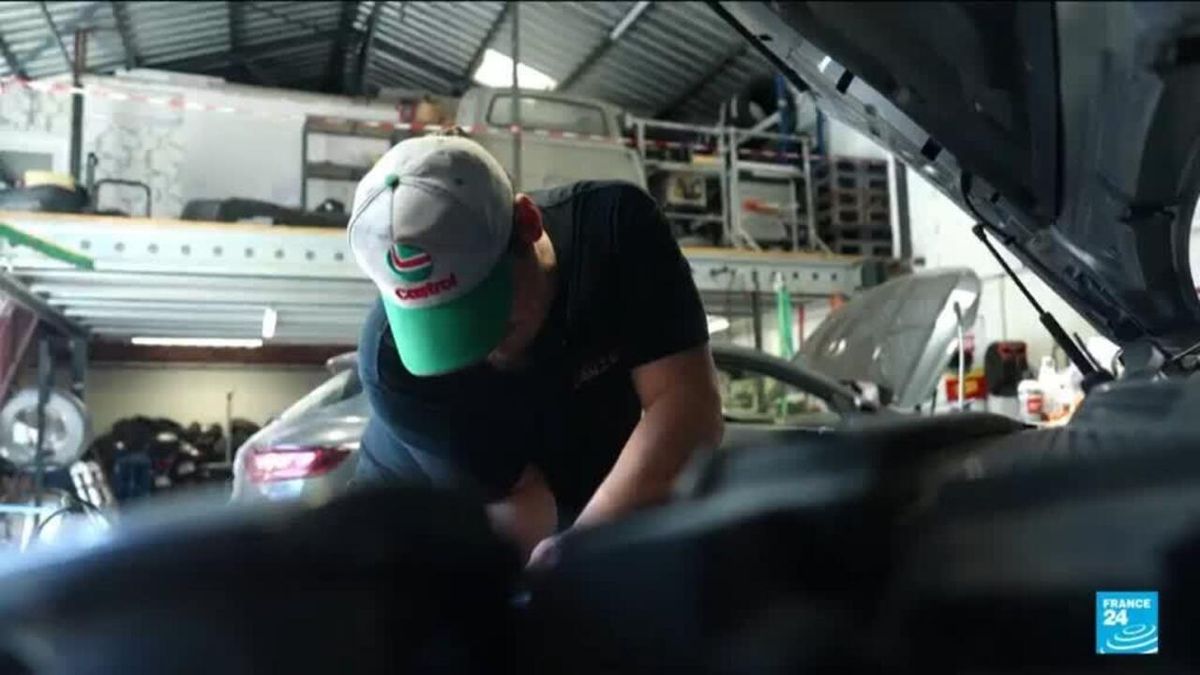
France announced a rapid expansion of bioethanol blending in gasoline as retail petrol prices climbed above €2 per litre. The government highlighted that bioethanol, produced domestically from corn and wheat, now sells for about 95 cents per litre, offering a cheaper alternative for drivers.
The move is anchored in three intersecting incentives. First, energy security: after years of reliance on Russian natural gas and volatile Middle‑East oil, Paris seeks a home‑grown fuel that can be scaled quickly. Second, political survival: the Macron administration faces mounting criticism over inflation; a visible, low‑cost solution buys short‑term goodwill ahead of the 2027 presidential race. Third, agribusiness lobbying: France’s large corn and wheat cooperatives have long pressed for biofuel subsidies, arguing that they diversify farmer income and reduce the country’s trade deficit. The policy taps existing EU Renewable Energy Directive flexibilities, allowing member states to increase biofuel quotas without triggering the stricter sustainability checks that apply to advanced biofuels. At the same time, the state’s fiscal calculus is simple—subsidising a commodity that already generates profit for domestic producers costs less than direct cash transfers to motorists.
The headline benefits drivers, but the human cost spreads unevenly. Low‑income commuters in urban peripheries gain a modest fuel discount, yet they also shoulder higher food prices as more corn and wheat are diverted from the food chain to fuel production. Rural families that already struggle with volatile commodity markets see a short‑term price lift, but the long‑term risk of land‑use competition looms. Small‑scale farmers without access to large processing facilities may be squeezed out by vertically integrated agribusinesses that capture the bulk of bioethanol contracts. Moreover, workers in the oil refining sector face reduced throughput, threatening jobs in refineries already under pressure from decarbonisation mandates. Environmental NGOs warn that the carbon savings touted by bioethanol are modest at best, especially when indirect land‑use change emissions are accounted for, meaning the climate benefit may be largely symbolic.
Official statements downplay several contentious dimensions. Food security is barely mentioned; the government frames the policy as a win‑win, ignoring that a 10 % increase in corn used for fuel can raise bread prices by up to 3 %—a noticeable jump for households already coping with inflation. Carbon accounting is also glossed over; the EU’s sustainability criteria for first‑generation biofuels have been relaxed, allowing France to count bioethanol as low‑carbon without fully accounting for fertilizer runoff, soil degradation, and methane emissions from storage. Finally, the geopolitical angle is muted. By turning to domestically produced bioethanol, France reduces its exposure to oil price shocks, but it also deepens dependence on agricultural imports from the United States and Brazil, where large‑scale monocultures raise concerns about deforestation and trade imbalances. The narrative of “energy independence” therefore masks a shift from oil to agricultural commodities, with new supply‑chain vulnerabilities.
Watch for three developments. 1) EU policy adjustments: The European Commission is expected to tighten sustainability reporting for biofuels in 2027; a stricter regime could force France to curtail blending ratios or pay higher compliance costs. 2) Domestic political backlash: As food prices react, farmer unions and consumer groups may clash in the streets, pressuring the government to balance fuel subsidies against agricultural support. 3) Market response: Oil majors are already lobbying for a hybrid approach—maintaining a baseline of petrol while investing in advanced biofuels or hydrogen. Their success or failure will shape whether France’s cheap‑fuel experiment becomes a permanent fixture or a temporary stopgap.
The coming months will reveal whether bioethanol remains a pragmatic fix or a policy shortcut that trades one set of vulnerabilities for another.
Editor's Note: Analysis based on publicly available policy statements and market data; precise subsidy figures are not disclosed.
Source referenced: FRANCE24
This brief was synthesized by our Editorial Engine and reviewed by The Ground Narrative team.


