TRENDING

Sunday, 18 October 2026
----------------------
7 Jumada Al-Awwal 1448 AH
A growing number of Russian conscripts are deserting the military due to systemic abuse and forced deployment to Ukraine, creating a complex humanitarian and geopolitical challenge for European nations grappling with asylum requests. This trend highlights Russia's internal military struggles and the ethical quandaries faced by host countries.
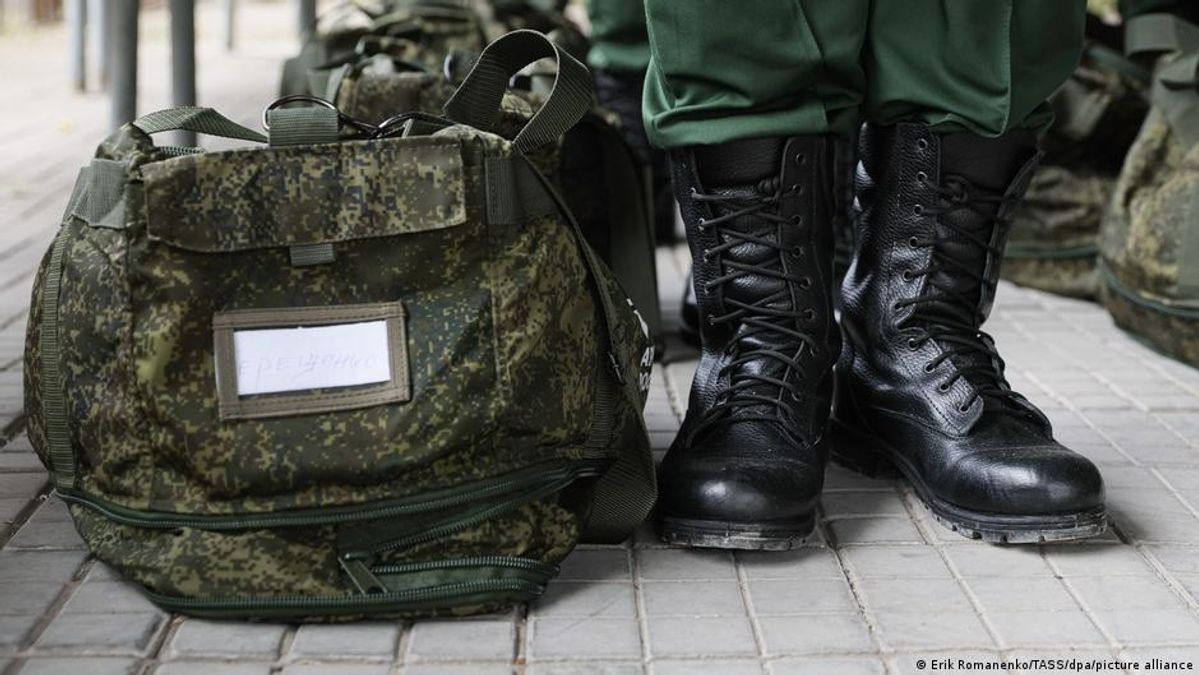
The ongoing conflict in Ukraine has intensified Russia's demand for military personnel, leading to widespread reports of coercive recruitment tactics and severe mistreatment within its armed forces. Accounts from individuals like Nikita Zvezdov, an 18-year-old conscript who fled to Germany, illuminate a systemic issue where young men are allegedly pressured, harassed, and even tortured into signing long-term contracts for combat duty. Zvezdov's experience, drafted in April 2024 shortly after his birthday, included being assigned to a unit notorious for criminality and abuse near Ussuriysk, where officers reportedly subjected conscripts to brutal physical punishments and psychological pressure to commit to extended service.
These individual narratives are corroborated by broader reports from independent media outlets, such as Astra, which detail how mothers of Russian soldiers describe their sons being deceived or coerced into signing contracts. The alleged practice of deliberately failing students in vocational schools to remove obstacles to conscription, though unverified, points to a desperate and potentially unethical strategy to bolster military ranks. Such tactics underscore the significant personnel shortages faced by the Russian military, which has been engaged in a protracted and costly war since February 2022. The reliance on unwilling conscripts, subjected to harsh conditions and forced deployments to high-casualty zones like Melitopol, raises serious questions about the morale, effectiveness, and long-term sustainability of Russia's military operations.
Beyond individual acts of coercion, evidence suggests a more pervasive pattern of human rights abuses within the Russian military. Media reports have identified at least 29 illegal detention centers, primarily in Russian-occupied Ukrainian territories such as Luhansk and Donetsk, but also within Russia itself. These improvised prisons, often located in basements, abandoned buildings, or private homes, are reportedly used to hold Russian conscientious objectors and Ukrainian citizens, including the wounded and disabled. Testimonies from former soldiers describe horrific conditions, including extortion, starvation, beatings, and torture, with some facilities likened to "torture chambers." One former deputy platoon leader recounted being imprisoned with his men for refusing to go to the front line, stating that almost all of them were subsequently killed.
These revelations paint a grim picture of a military apparatus willing to employ extreme measures to enforce compliance and prevent desertion. The existence of such facilities and the reported abuses not only constitute grave human rights violations but also reflect a breakdown of military discipline and adherence to international humanitarian law. The Russian government's designation of independent media like Astra as "foreign agents" further suggests an attempt to suppress information and control the narrative surrounding these internal military challenges.
The increasing number of Russian deserters seeking refuge in Europe presents a complex humanitarian and geopolitical challenge for host nations. Nikita Zvezdov's journey, which took him from Russia to Armenia, Bosnia and Herzegovina, Croatia, and finally Germany, highlights the arduous path these individuals face. Upon arriving in Germany in December 2025, Zvezdov's asylum application was rejected under the European Union's Dublin Regulation, which stipulates that the country of first entry (in his case, Croatia) is responsible for processing the application. This bureaucratic hurdle often leaves asylum seekers in a precarious legal limbo.
Despite previous political statements from the German government in 2022 suggesting protection for conscientious objectors and deserters, human rights activists argue that the chances of Russian deserters receiving asylum in Germany are now "practically zero." The Federal Office for Migration and Refugees (BAMF) maintains that protection is granted only if there is a "real, individual and justified fear of persecution," often rejecting applications on the grounds that deserters do not face a "real risk" of severe persecution or deployment to Ukraine upon return. This strict interpretation of asylum law creates a significant disconnect between stated political intentions and practical legal outcomes, leaving many deserters vulnerable to deportation.
In Zvezdov's case, he found temporary reprieve through "church asylum," a practice where congregations shelter individuals facing deportation, often leading to a review of their case by the state. However, this remains a temporary solution, and the long-term prospects for many Russian deserters in Europe remain uncertain. The situation forces European nations to balance their humanitarian obligations with existing immigration laws and the geopolitical implications of accepting individuals fleeing a state with which many are in a de facto adversarial relationship.
The phenomenon of Russian military desertion carries significant geopolitical implications. Internally, it signals deep-seated issues within the Russian armed forces, including low morale, poor leadership, and a reliance on coercion rather than voluntary service. Such internal weaknesses could undermine Russia's long-term military capabilities and its ability to sustain prolonged conflicts. The reports of widespread abuse and illegal detention centers further damage Russia's international reputation and could fuel internal dissent, albeit suppressed.
For Europe, the influx of deserters adds another layer of complexity to the ongoing refugee crisis and tests the coherence of EU asylum policies. While offering protection to those fleeing persecution aligns with European values, the practicalities of processing thousands of applications, particularly from a nation currently engaged in aggression against a neighboring state, are challenging. The differing approaches among EU member states could also create internal tensions.
Ultimately, the plight of Russian deserters underscores the human cost of the war in Ukraine, not only for Ukrainians but also for ordinary Russians caught in the machinery of conflict. It highlights the strategic motivations behind Russia's aggressive recruitment tactics and the profound ethical and legal dilemmas faced by the international community in responding to those who refuse to participate in what they perceive as an unjust war. The long-term consequences for Russia's military, its society, and its relationship with the international community will likely be shaped by how these internal pressures and external responses evolve.
Source referenced: DW
This brief was synthesized by our Editorial Engine and reviewed by The Ground Narrative team.