TRENDING

Friday, 16 October 2026
----------------------
5 Jumada Al-Awwal 1448 AH
As the conflict in Ukraine persists, the international community scrutinizes Russia's strategic objectives and the motivations driving its ongoing military actions. Analysts question what constitutes a 'decisive win' for Moscow and the broader implications for regional and global stability.
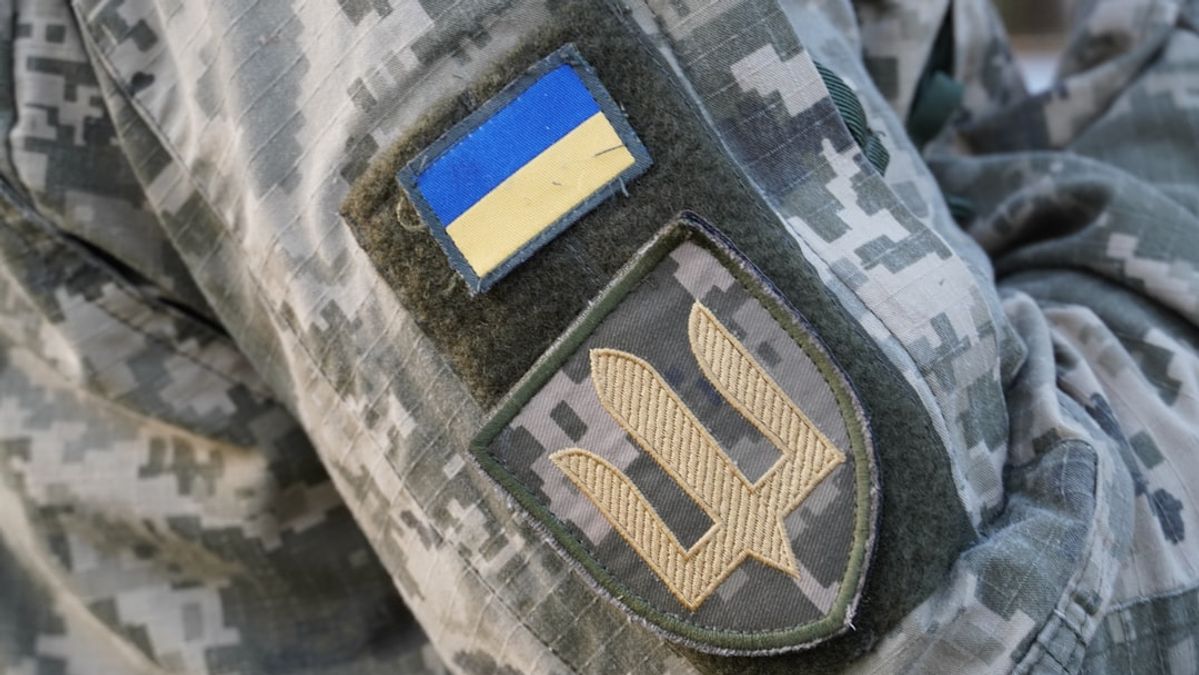
The ongoing conflict in Ukraine continues to be a focal point of global geopolitical analysis, with persistent questions surrounding Russia's strategic motivations and its definition of a 'decisive win.' While specific details of Russia's 'latest attacks' are not provided in the immediate context, the overarching pattern of sustained military pressure against Ukraine underscores a complex and evolving strategic calculus within the Kremlin. The core inquiry revolves around what Russia aims to achieve, how it intends to do so, and why President Vladimir Putin appears determined to pursue these objectives despite significant international condemnation and economic sanctions.
From a geopolitical perspective, Russia's actions since the full-scale invasion in February 2022 have been interpreted as an attempt to reassert its influence in its perceived sphere of interest, challenge the post-Cold War European security order, and prevent Ukraine's further integration with Western institutions like NATO and the European Union. The initial objectives, widely understood to include regime change in Kyiv and the demilitarization of Ukraine, have seemingly adapted to the realities of fierce Ukrainian resistance and robust Western support. The current phase of the conflict suggests a focus on consolidating territorial gains, particularly in the Donbas region and along the southern coast, to establish a land bridge to Crimea and secure strategic access to the Black Sea.
The concept of a 'decisive win' for Russia remains ambiguous and subject to various interpretations. For Moscow, it could encompass several outcomes: securing full control over the four Ukrainian regions it unilaterally annexed (Donetsk, Luhansk, Zaporizhzhia, and Kherson), establishing a neutral and demilitarized Ukraine, or even achieving a broader recognition of its security demands from the West. The intensity of recent attacks, regardless of their specific nature, indicates a continued effort to degrade Ukraine's military capabilities, exhaust its resources, and undermine the morale of its population and international backers. This strategy aims to create conditions where Ukraine might be compelled to negotiate on terms favorable to Russia.
Who is driving this strategy is unequivocally President Putin, whose long-held views on Russia's historical grievances and perceived security threats from the West underpin the conflict. When these attacks occur is part of a continuous, grinding war of attrition, punctuated by periods of intensified missile strikes and ground offensives. Where these actions are concentrated typically involves the eastern and southern fronts, alongside periodic long-range strikes across Ukraine, targeting critical infrastructure and military assets. The how involves a combination of conventional ground forces, artillery, missile strikes, drone attacks, and cyber warfare, adapted to the battlefield conditions and the evolving capabilities of both sides.
The protracted nature of the conflict and Russia's persistent offensive posture carry profound regional and global implications. In Europe, the war has fundamentally reshaped the security landscape, leading to increased defense spending, the expansion of NATO (with Sweden and Finland joining), and a renewed focus on energy security as European nations seek to decouple from Russian fossil fuels. The conflict has also exacerbated global food insecurity, given Ukraine's role as a major agricultural exporter, and disrupted supply chains.
Diplomatically, Russia has faced widespread isolation from Western nations, prompting it to deepen ties with non-Western partners, notably China, Iran, and North Korea. This shift contributes to a broader reordering of the international system, challenging existing alliances and fostering new geopolitical alignments. The involvement of figures like Hanna Notte from the James Martin Center for Nonproliferation highlights the underlying concern about nuclear security and the potential for escalation, a constant shadow over the conflict.
The future trajectory of the conflict remains highly uncertain. A 'decisive win' for either side, in the traditional sense, appears increasingly elusive. For Ukraine, victory means restoring its territorial integrity and sovereignty, a goal heavily reliant on sustained Western military and financial aid. For Russia, achieving its objectives would likely require overcoming significant Ukrainian resistance and enduring prolonged international pressure.
Potential scenarios range from a frozen conflict, where front lines stabilize but no political resolution is reached, to continued attrition warfare, or even a negotiated settlement influenced by battlefield realities and diplomatic pressures. The willingness of Western allies to maintain their support, the resilience of the Ukrainian military and society, and Russia's internal stability will all be critical factors. The geopolitical stakes are immense, extending beyond the immediate combatants to influence global power dynamics, international law, and the future of collective security. Russia's next moves will undoubtedly continue to shape these critical global narratives and realities.
Editor's Note: The source article was very brief, primarily posing questions about Russia's next moves and motivations. This analysis extrapolates from the general context of the ongoing conflict and widely understood geopolitical dynamics, rather than specific 'latest attacks' not detailed in the source.
Source referenced: NPR
This brief was synthesized by our Editorial Engine and reviewed by The Ground Narrative team.