TRENDING

Saturday, 19 September 2026
----------------------
8 Rabi' Al-Thani 1448 AH
Four years into a costly war, Russia’s imperial self‑image and sprawling state structure keep ordinary citizens from the normalcy they crave. The analysis uncovers the power dynamics, human toll, and hidden narratives shaping the country’s future.
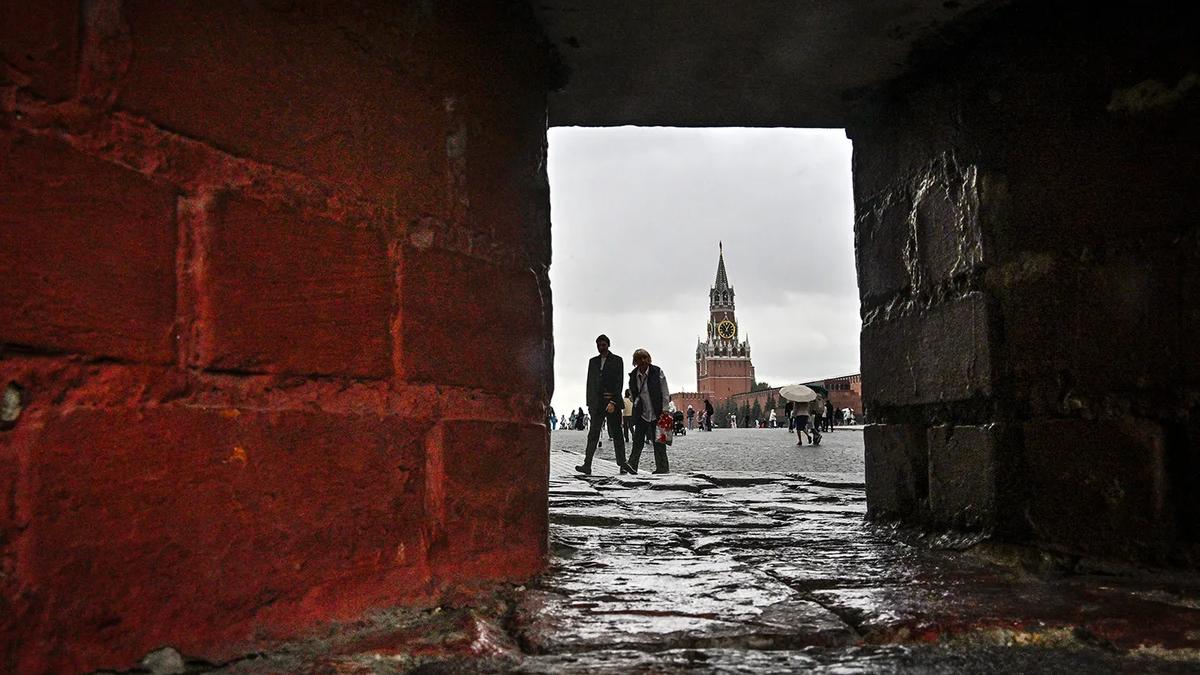
Russia entered its full‑scale invasion of Ukraine in February 2022, a conflict that now stretches into its fifth year. The war has produced daily Russian military casualties estimated at over a thousand soldiers and has strained a politicized economy already under heavy sanctions.
Political culture and national myth – A deep‑seated belief in Russia’s historic destiny to dominate its neighbours underpins the regime’s agenda. This messianic self‑image, echoed by the Kremlin, the Orthodox hierarchy, and intellectuals such as Dugin, creates a feedback loop: the more the state projects power abroad, the more the narrative of greatness is reinforced at home.
State size and imperial structure – Spanning eleven time zones and encompassing dozens of ethnic groups, the Russian Federation functions as a de‑facto empire. Central authority in Moscow extracts resources, while peripheral regions serve as colonies that can be mobilized for labor, conscripts, or political compliance. The sheer scale makes any shift toward a “normal” civil society costly for elites who rely on the per‑iphery for cheap manpower and raw materials.
Elite survival and economic calculus – Putin’s inner circle benefits from a war‑driven economy: defense contracts, state‑owned enterprises, and sanctions‑induced import substitution funnel wealth to a narrow patronage network. A decisive defeat would jeopardize these rent‑seeking channels, making the leadership reluctant to concede even a negotiated settlement.
Alliance math – Russia’s strategic partnership with China provides a safety valve for sanctions, while its isolation from the West forces the regime to double‑down on nationalist rhetoric to legitimize the partnership domestically. The alliance thus reinforces the imperial narrative and limits political space for dissent.
Every day, Russian conscripts—often 18‑year‑old men from small towns—are sent to the front where mortality rates exceed a thousand per day. Their families face loss, loss of income, and the stigma of draft evasion. Rural regions such as the Volga and the North Caucasus bear the brunt of military recruitment and the associated social disruption. Meanwhile, urban dwellers in Moscow and St Petersburg experience soaring inflation, shortages of imported goods, and a shrinking middle class as sanctions choke the economy. Ethnic minorities in annexed or occupied territories confront cultural repression, forced Russification, and the threat of arbitrary detention. The cumulative effect is a widening gap between the regime’s elite bubble and the everyday struggles of ordinary Russians.
Official Russian statements frame the war as a defensive crusade for “historical justice,” deliberately downplaying the regime’s reliance on an imperial identity that fuels expansionism. Western coverage often spotlights sanctions and battlefield losses but rarely interrogates how the Kremlin uses the war to cement internal control, co‑opt nationalist intellectuals, and extract resources from peripheral regions. Both sides therefore omit a crucial layer: the structural incentive for the state to keep the conflict alive because it sustains the patronage network that underwrites elite wealth and political legitimacy. The narrative of a “normal” post‑war Russia is presented as a simple return to peace, while the underlying imperial logic remains unexamined.
Watch for signs of elite fracture ahead of the upcoming State Duma elections: defections, public disagreements, or shifts in procurement contracts could indicate weakening cohesion. Monitor economic stress indicators—inflation spikes, banking failures, and consumer protests in major cities—as they may translate into broader social unrest. On the battlefield, any significant Ukrainian counter‑offensive that forces a Russian retreat from key territories could erode the myth of invincibility and open space for public debate. Finally, observe external diplomatic moves, especially China’s willingness to deepen economic ties or the West’s calibration of sanctions, which will shape the Kremlin’s calculus about continuing or ending the war.
In sum, Russia’s path to an ordinary life is blocked not merely by a single leader but by a durable cultural narrative and an imperial state structure that both profit from perpetual conflict. Only a profound defeat that shatters the myth of greatness—or a decisive internal rupture among the ruling elite—could create the conditions for ordinary Russians to finally hear the word *normalno* in a genuinely peaceful sense.
Editor's Note: Analysis based on publicly available commentary and historical patterns; on‑the‑ground developments could shift rapidly.
Source referenced: FOREIGNPOLICY
This brief was synthesized by our Editorial Engine and reviewed by The Ground Narrative team.