TRENDING

Saturday, 24 October 2026
----------------------
13 Jumada Al-Awwal 1448 AH
A violent storm on Russia's Mount Elbrus has left five Bosnian climbers feared dead, highlighting the risks of climbing in the region and the complexities of international rescue operations.
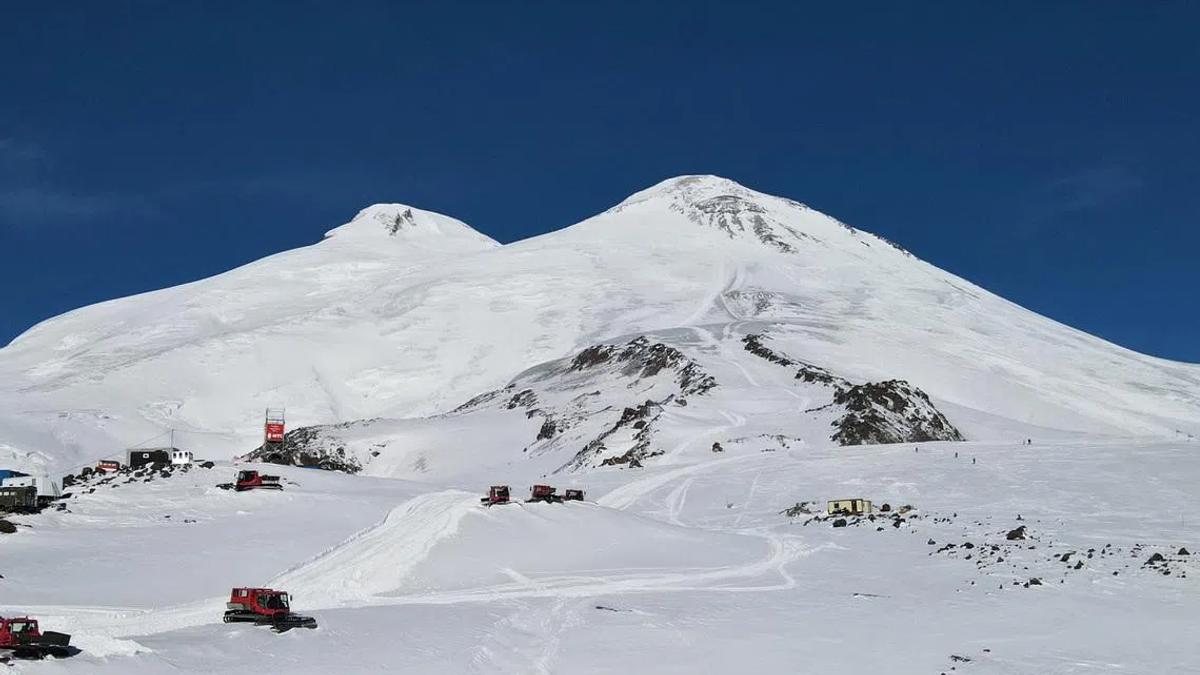
Russia's Mount Elbrus, the highest mountain in Europe, has claimed the lives of five Bosnian climbers in a violent storm. The incident highlights the risks of climbing in the region and the complexities of international rescue operations. This analysis will examine the strategic motivations behind the climbing expedition, the historical context of climbing in the region, and the regional implications of the incident.
Mount Elbrus, located in the Republic of Kabardino-Balkaria, Russia, is infamous for its sudden changes in weather and climbing conditions. The mountain has been a popular destination for climbers from around the world, including Bosnia and Herzegovina. The seven-member climbing expedition, consisting of residents from the central town of Zenica, included a married couple and a doctor who worked at the local hospital.
The climbing expedition was likely motivated by a desire to explore the region's natural beauty and to push the limits of human endurance. However, the incident also raises questions about the strategic motivations behind the expedition. Was the group attempting to draw attention to the region's climbing potential, or were they seeking to establish a foothold in the region for future expeditions?
Climbing in the Caucasus region has a long history, dating back to the early 20th century. The region's unique geography and climate have made it a popular destination for climbers, but also a challenging one. The Soviet Union's collapse in 1991 led to a decline in international climbing expeditions to the region, but in recent years, there has been a resurgence of interest in climbing in the Caucasus.
The incident on Mount Elbrus has significant regional implications. The search and recovery operations have been complicated by adverse weather conditions, including strong winds. The incident highlights the need for improved emergency response systems in the region and the importance of international cooperation in search and rescue operations.
The incident on Mount Elbrus is likely to have long-term consequences for the region's climbing industry. The incident may deter potential climbers from visiting the region, which could have negative economic implications for local communities. However, it may also lead to increased investment in emergency response systems and improved safety protocols for climbers.
The incident on Mount Elbrus is a tragic reminder of the risks involved in climbing in the Caucasus region. The incident highlights the need for improved emergency response systems and international cooperation in search and rescue operations. As the region continues to develop its climbing industry, it is essential to prioritize safety and emergency preparedness to minimize the risk of future incidents.
* What were the strategic motivations behind the climbing expedition?
* How will the incident impact the region's climbing industry?
* What measures can be taken to improve emergency response systems in the region?
Editor's Note: The investigation into the incident is ongoing, and some details may be subject to change.
Source referenced: STRAITSTIMES
This brief was synthesized by our Editorial Engine and reviewed by The Ground Narrative team.


