TRENDING

Monday, 5 October 2026
----------------------
24 Rabi' Al-Thani 1448 AH
Despite a windfall from the US-Israel war on Iran, Russia's economy is showing signs of strain, with a widening deficit and Ukrainian strikes testing its resilience. As the US moves to cut off Russia's energy revenue, the question remains: how long can Moscow's deep pockets keep its economy afloat?
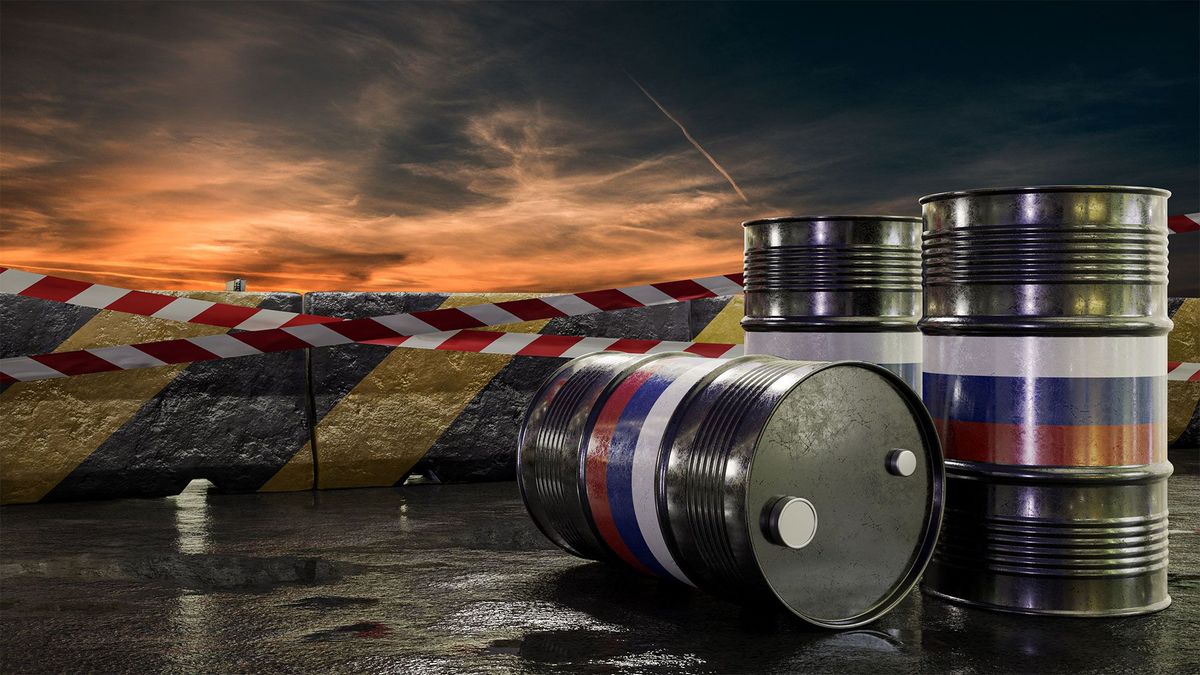
Russia's economy has defied expectations, holding up longer than many predicted despite Western sanctions. However, four years into the Russia-Ukraine war, the strain is starting to show. Growth is forecast to slow to its weakest pace since 2022, and the budget deficit is widening. Ukrainian strikes are also reaching deeper into the economy, further testing its resilience.
The US-Israel war on Iran has handed Russia a significant windfall, with energy prices soaring and Moscow's revenues boosted. However, the United States has moved to cut off this revenue stream, with the US Senate backing tariffs of up to 100 percent on Russian energy buyers. This move is a clear attempt to weaken Russia's economy and limit its ability to fund its military campaigns. The power dynamic at play is one of economic coercion, with the US using its economic leverage to try and strangle Russia's economy.
The human cost of Russia's economic struggles will be borne by its citizens, who will face reduced living standards, higher prices, and decreased access to essential services. The Ukrainian people will also continue to suffer, as the conflict between Russia and Ukraine shows no signs of abating. The international community will also feel the effects, as a weakened Russian economy could lead to increased instability in the region.
What is being downplayed by powerful actors is the long-term impact of economic sanctions on Russia's economy. While the US and its allies may see sanctions as a way to weaken Russia, they may also have the unintended consequence of strengthening Putin's grip on power. As the economy struggles, Putin may use the sanctions as a scapegoat, blaming the West for Russia's economic woes and further consolidating his power.
Readers should watch for further escalation in the Russia-Ukraine conflict, as well as increased economic pressure from the US and its allies. They should also monitor Russia's response to the tariffs, including any potential counter-measures it may take to mitigate the impact on its economy. The stability of the global energy market will also be crucial, as any further disruptions could have far-reaching consequences for the global economy.
Editor's Note: The analysis is based on current events and may be subject to change as the situation develops.
Source referenced: ALJAZEERA
This brief was synthesized by our Editorial Engine and reviewed by The Ground Narrative team.


