TRENDING

Saturday, 24 October 2026
----------------------
13 Jumada Al-Awwal 1448 AH
Pakistan-administered Kashmir has opened polls for local legislative elections, marred by violence, internet shutdowns, and low turnout. The elections are seen as a test of security after weeks of clashes between police and protesters.
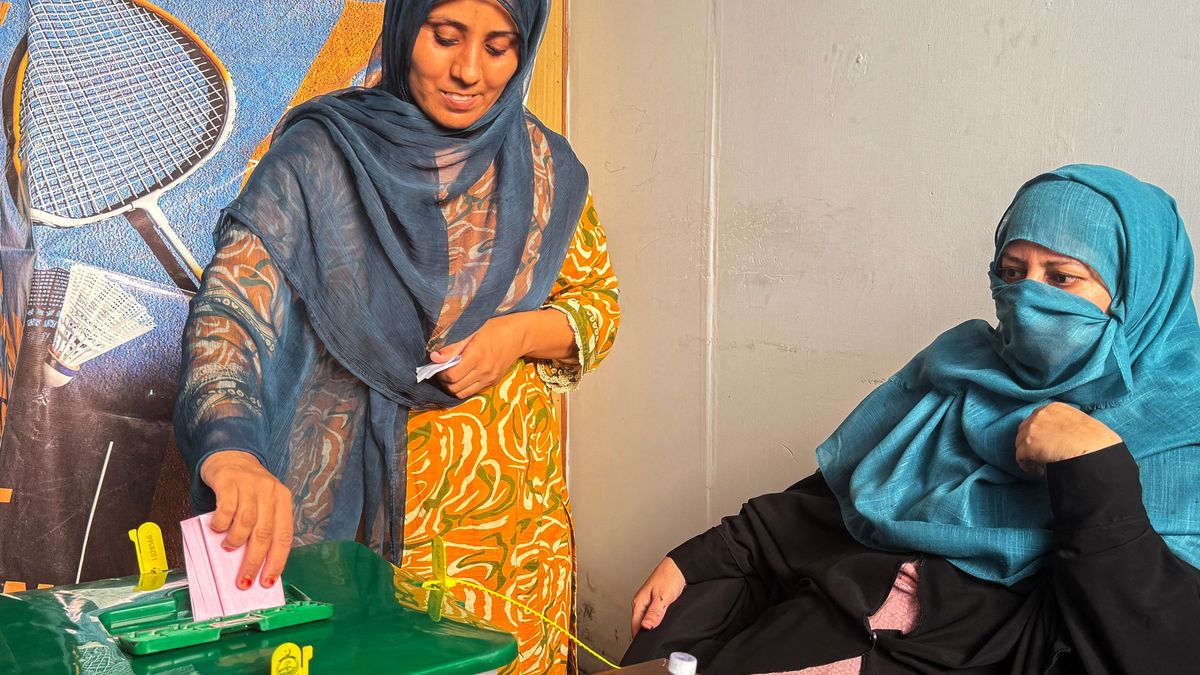
Pakistan-administered Kashmir has been plagued by violence and protests in recent weeks, resulting in the deaths of nearly 40 people. The Jammu Kashmir Joint Awami Action Committee (JAAC), a movement behind the protests, was banned by the local government under "anti-terrorism laws" in June. The JAAC's demands, initially focused on subsidised flour and cheaper electricity, have expanded to 38 points, including the abolition of 12 assembly seats reserved for Kashmiri refugees.
The local legislative elections, which began on Monday, are being held under heavy security. The electoral commission had announced that voting would be split into three phases due to concerns over stretched security personnel. The first phase of voting saw a low turnout in the Mirpur district, with some candidates complaining that internet restrictions imposed during the protests and ensuing clashes had hampered their campaigns.
The internet shutdown has created significant difficulties for political candidates and the electoral process. Independent candidate Malik Alauddin adopted a campaign style favoured by pre-internet generations, focusing on gatherings in remote villages and going door to door to potential voters' homes. Alauddin noted that the internet shutdown has made it harder to reach voters, particularly in a vast mountainous constituency like Mirpur.
The elections in Pakistan-administered Kashmir are seen as a test of security after weeks of clashes between police and protesters. The outcome of the elections will have significant implications for the region, particularly in terms of the representation of Kashmiri refugees in the local parliament. The JAAC's demands for the abolition of 12 assembly seats reserved for Kashmiri refugees are likely to be a major point of contention in the elections.
The JAAC's protests and demands are rooted in a long-standing sense of marginalisation and disenfranchisement among Kashmiri refugees. The Pakistani government's response to the protests, including the banning of the JAAC and the imposition of internet shutdowns, has been seen as heavy-handed and repressive. The elections in Pakistan-administered Kashmir are a critical test of the Pakistani government's ability to address the grievances of Kashmiri refugees and maintain stability in the region.
The elections in Pakistan-administered Kashmir are a complex and contentious issue, marked by violence, internet shutdowns, and low turnout. The outcome of the elections will have significant implications for the region, particularly in terms of the representation of Kashmiri refugees in the local parliament. The Pakistani government's response to the protests and demands of the JAAC will be closely watched, particularly in terms of its ability to address the grievances of Kashmiri refugees and maintain stability in the region.
Editor's Note: The analysis is based on available information and may be subject to change as more information becomes available.
Source referenced: ALJAZEERA
This brief was synthesized by our Editorial Engine and reviewed by The Ground Narrative team.


