TRENDING

Saturday, 24 October 2026
----------------------
13 Jumada Al-Awwal 1448 AH
The upcoming elections in Pakistan-administered Kashmir are expected to bring a temporary pause in public anger, but analysts warn that unresolved grievances may lead to another wave of protests.
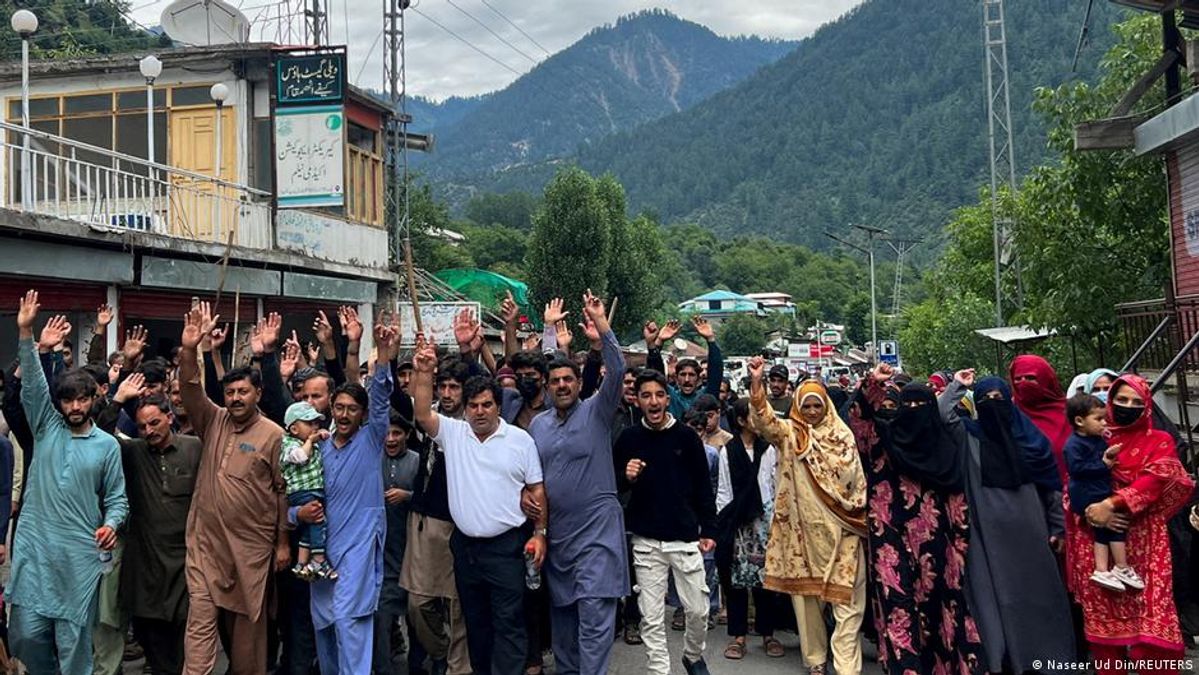
Pakistan-administered Kashmir, also known as Azad Jammu and Kashmir (AJK), is on the cusp of a significant event: the first phase of local elections, scheduled for July 27. The elections are expected to bring a temporary pause in public anger, but analysts warn that unresolved grievances may lead to another wave of protests.
The dispute over refugee seats in the regional assembly has been a major issue in AJK. The Jammu Kashmir Joint Awami Action Committee (JAAC), a grassroots alliance of civil society groups, has been demanding the abolition of 12 seats reserved for people displaced from India-administered Kashmir and living in Pakistan. The JAAC argues that only residents of Pakistan-administered Kashmir should be eligible to contest regional elections.
The JAAC protests have marked a significant shift in Pakistan-administered Kashmir's politics. Analysts have said that the protests have brought together citizens across party lines around economic and governance issues rather than traditional political rivalries. The JAAC has disrupted the status quo politics in AJK, and its street credibility is higher than that of mainstream politicians and parties.
The Pakistani establishment has the means and methods to break up such political movements, but rebuilding trust will require more than campaign promises. The next government in AJK will be weak, sandwiched between pressure from the Pakistani establishment and the sentiment on the street, which is very pro-JAAC. The government will have limited room to govern unless it reaches an understanding with JAAC to ease political tensions.
JAAC has the potential to become a lasting political force, but it risks being weakened by internal divisions and pressure from the establishment. For now, both sides are treading carefully, with JAAC relying on mass support and the establishment avoiding a full crackdown while buying time.
The elections will determine who governs Pakistan-administered Kashmir, but they are unlikely to resolve the broader constitutional dispute over Kashmir or eliminate long-standing frustrations with the region's governance. Governments must listen to public concerns and address them through dialogue and effective governance. Stability comes from listening to people, respecting the law, and delivering results.
The upcoming elections in Pakistan-administered Kashmir are expected to bring a temporary pause in public anger, but analysts warn that unresolved grievances may lead to another wave of protests. The elections will determine who governs AJK, but they are unlikely to resolve the broader constitutional dispute over Kashmir or eliminate long-standing frustrations with the region's governance.
The elections in Pakistan-administered Kashmir are a critical moment in the region's history. The outcome will determine the future of AJK and the broader constitutional dispute over Kashmir. The Pakistani establishment must listen to public concerns and address them through dialogue and effective governance. The world is watching, and the stakes are high.
Source referenced: DW
This brief was synthesized by our Editorial Engine and reviewed by The Ground Narrative team.


