TRENDING

Monday, 5 October 2026
----------------------
24 Rabi' Al-Thani 1448 AH
A Russian oil tanker has spilled hundreds of thousands of barrels of crude oil off the coast of Oman, threatening the country's marine ecosystem. The incident has sparked concerns about the environmental and economic impact on the region. As cleanup efforts are underway, the true extent of the damage remains to be seen.
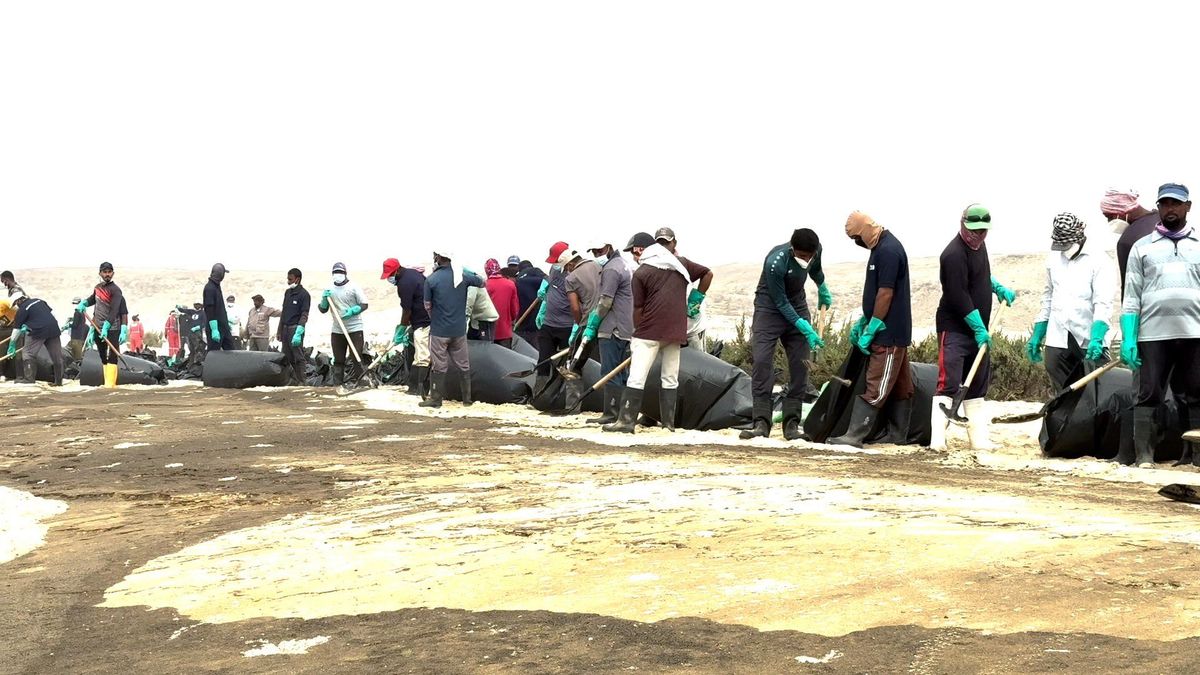
A Russian oil tanker, Caroline Bezengi, has run aground near a marine reserve in Oman, spilling approximately 800,000 barrels of crude oil into the ocean. The incident has prompted a massive cleanup effort along 12 kilometers of the Omani coastline. The tanker was carrying Russian oil, highlighting the complex web of global energy trade and the risks associated with it.
The oil spill has significant implications for the global energy market, particularly for Russia, which is one of the world's largest oil exporters. The incident may lead to increased scrutiny of Russia's oil industry and its environmental record. Furthermore, the spill may also impact Oman's economy, which relies heavily on tourism and fishing industries. The Omani government will likely face pressure to respond effectively to the crisis and mitigate the damage to its coastline and marine ecosystem.
The oil spill poses a significant threat to the livelihoods of people living in coastal communities in Oman. The fishing industry, which is a vital source of income for many Omanis, may be severely impacted by the spill. Additionally, the spill may also affect the tourism industry, which is a significant contributor to Oman's economy. The long-term effects of the spill on the health and well-being of people living in the affected areas are also a concern. The people who will bear the brunt of this disaster are not just the Omanis, but also the migrant workers who are employed in the fishing and tourism industries.
What is being downplayed in the official statements is the role of the global energy market in perpetuating environmental disasters like this one. The pursuit of cheap oil and the lack of stringent regulations on the oil industry have created an environment in which such incidents can occur. The fact that the tanker was carrying Russian oil, which is often extracted and transported with limited environmental oversight, raises questions about the accountability of oil-exporting countries. The incident also highlights the need for greater transparency and cooperation between governments and the oil industry to prevent such disasters.
As the cleanup efforts continue, it is essential to monitor the response of the Omani government and the international community to the crisis. The effectiveness of the cleanup efforts and the measures taken to prevent similar incidents in the future will be crucial in determining the long-term impact of the spill. Additionally, the incident may lead to increased calls for greater environmental regulation of the oil industry, which could have significant implications for global energy markets. Readers should watch for updates on the cleanup efforts, as well as any potential shifts in the global energy landscape in response to the crisis.
Editor's Note: The full extent of the damage from the oil spill is still unknown and may take several weeks to assess.
Source referenced: ALJAZEERA
This brief was synthesized by our Editorial Engine and reviewed by The Ground Narrative team.