TRENDING

Wednesday, 11 November 2026
----------------------
1 Jumada Al-Thani 1448 AH
A personal scandal involving Nvidia's chief has been cast as a spy story, reviving Cold War‑style suspicion between Washington and Beijing. The fallout reaches beyond boardrooms, touching workers, investors, and the broader tech supply chain.
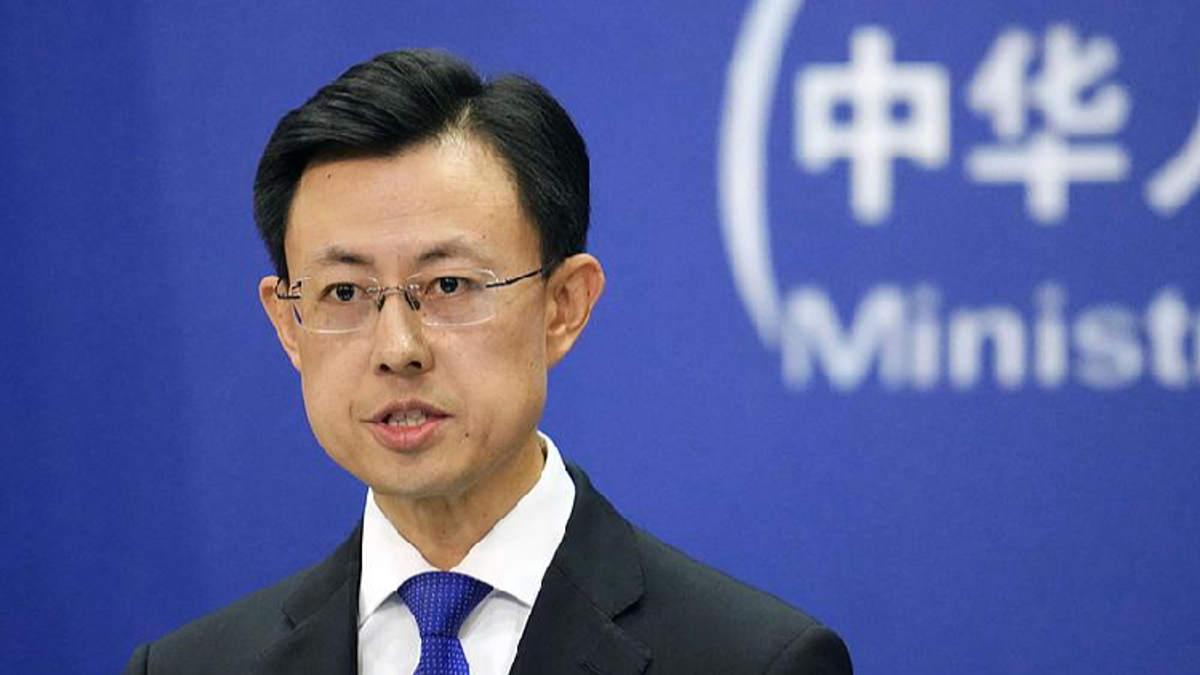
The United States chipmaker Nvidia announced an internal review after CEO Jensen Huang disclosed an extramarital affair. Media reports quickly linked the woman involved to Chinese intelligence, prompting Beijing’s foreign ministry to label the accusations as “unsubstantiated smears.” The diplomatic rebuttal arrived at a regular press briefing, where spokesperson Guo Jiakun dismissed the narrative as a smear campaign against China.
The episode sits at the intersection of three powerful currents. First, the U.S.-China technology rivalry has hardened into a de‑facto decoupling, with Washington imposing export controls on advanced semiconductors and Beijing accelerating its own chip ambitions. A scandal that can be framed as espionage offers a convenient pretext for policymakers on both sides to justify tighter restrictions.
Second, domestic politics in Washington are at play. Lawmakers eager to appear tough on China seize any story that can be cast as a national‑security breach. By tying a high‑profile executive to a foreign intelligence service, they can rally support for further funding of counter‑intelligence units and push for stricter corporate disclosure rules.
Third, corporate governance and shareholder pressure add another layer. Nvidia’s valuation hinges on its leadership’s credibility; any hint of compromised judgment threatens investor confidence. The board must balance transparency with protecting trade secrets, while also navigating the geopolitical fallout that could affect supply‑chain contracts with Chinese manufacturers.
These incentives create a feedback loop: media amplification fuels political rhetoric, which in turn pressures corporations to act defensively, reinforcing the narrative of an ever‑widening tech chasm.
- Nvidia employees in the United States and Taiwan face heightened scrutiny. Background checks are tightening, and staff working on AI chips may encounter travel bans or visa delays, disrupting project timelines and personal plans.
- Families of the involved parties bear the brunt of public shaming. The unnamed woman, reportedly a Chinese national, now confronts vilification in both Western and Chinese media, a double‑edged stigma that can affect her future employment and personal safety.
- Chinese tech workers abroad experience a surge in suspicion. Companies with Chinese‑origin staff report increased internal monitoring, creating a climate of fear that hampers collaboration and innovation.
- Investors, especially retail shareholders, confront volatility. Share price swings driven by sensational headlines can erode retirement savings for ordinary people who hold Nvidia stock through index funds.
Local economies dependent on semiconductor manufacturing—such as the San Jose Bay Area and Hsinchu, Taiwan—feel indirect pressure. Supply‑chain disruptions can lead to layoffs, reduced overtime, and a slowdown in ancillary services ranging from catering to transportation.
- Official narratives: While Beijing publicly dismisses the allegations, internal ministries may be quietly assessing the diplomatic leverage such a story provides. A controlled leak can be used to test Western resolve without committing to a full‑scale diplomatic protest.
- U.S. intelligence framing: The claim that the affair involved a Chinese operative fits a broader pattern of attributing espionage to personal vulnerabilities. This framing diverts attention from more systemic issues like supply‑chain security and intellectual‑property theft that involve state‑sponsored hacking groups.
- Corporate silence: Nvidia has limited its public comments to the internal probe, avoiding a detailed narrative that could expose internal governance weaknesses. This silence fuels speculation, allowing both governments to fill the vacuum with their preferred storylines.
- Media economics: Outlets on both sides of the Pacific benefit from sensational headlines that drive clicks. The story’s personal drama overshadows deeper analysis of how export‑control policies and AI race dynamics shape the tech sector.
- Regulatory moves: Expect the U.S. Commerce Department to review export‑license applications for Nvidia's newest AI GPUs, especially those destined for Chinese data‑center customers. A tightening of licensing could signal a shift from case‑by‑case approvals to broader bans.
- Corporate response: Watch for Nvidia's board decisions on leadership succession and any changes to its China‑related supply contracts. A reshuffle could indicate an attempt to distance the company from geopolitical risk.
- Diplomatic signaling: Beijing may stage a high‑profile visit by a senior official to a semiconductor hub, framing it as a “people‑to‑people” exchange while subtly signaling that it will not be deterred by accusations.
- Public sentiment: Social media trends in both countries will reveal whether the narrative sticks as a genuine security concern or fades as a fleeting scandal. Monitoring hashtags and forum discussions can provide early clues about longer‑term reputational damage.
- Legislative activity: Congressional committees on intelligence and commerce are likely to schedule hearings on corporate espionage, potentially inviting Nvidia executives to testify. The language used in those hearings will shape future policy on corporate disclosures and foreign‑influence monitoring.
Staying alert to these developments will help ordinary citizens understand how a personal indiscretion can be weaponized in a larger power contest, reshaping markets, careers, and the everyday reality of workers on both sides of the Pacific.
Media reports claim that the woman involved in Jensen Huang’s extramarital affair was employed by Chinese intelligence, suggesting a possible espionage angle. Both the U.S. and Chinese governments have issued statements, but no concrete evidence has been publicly presented.
The scandal provides a convenient pretext for tighter export controls and heightened scrutiny of joint projects, potentially accelerating the decoupling of semiconductor supply chains. Companies may face new licensing hurdles, and collaborative research could be curtailed amid rising mistrust.
Editor's Note: Analysis based on publicly available reports and historical patterns of US‑China tech competition.
Source referenced: CGTN
This brief was synthesized by our Editorial Engine and reviewed by The Ground Narrative team.