TRENDING

Wednesday, 11 November 2026
----------------------
1 Jumada Al-Thani 1448 AH
The latest clash between the United States and Iran has rattled oil routes and revived old power games, but ordinary people in the Gulf and beyond bear the real cost.
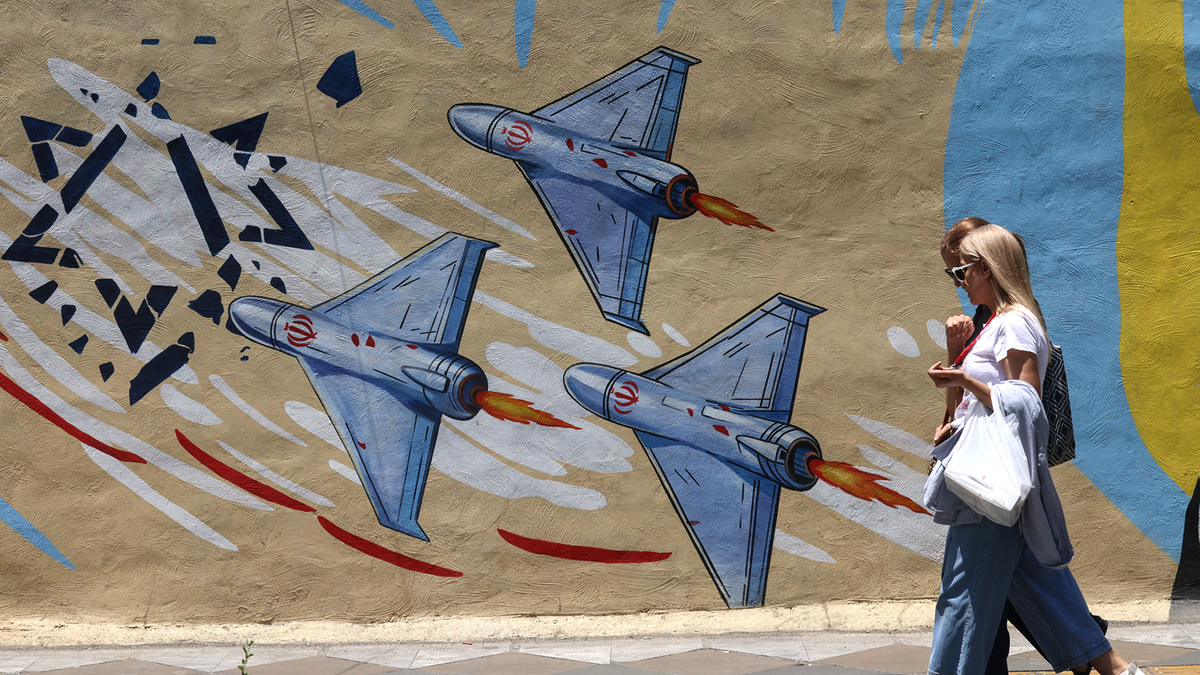
The United States launched a series of naval strikes against Iranian targets in the Strait of Hormuz in early November 2026, following a wave of Houthi missile attacks on Saudi oil facilities. Iran responded with missile and drone salvos aimed at commercial tankers and U.S. warships, prompting a rapid escalation that has kept the strategic waterway partially closed for weeks. The conflict has been framed by Washington as a decisive step toward a "new Middle East," while Tehran presents its actions as a defense of sovereignty and a warning to regional rivals.
The escalation is driven by a tangled web of incentives. Domestically, the United States administration seeks to demonstrate resolve ahead of the 2026 midterm elections, using the war to rally its base and distract from economic concerns. At the same time, the Treasury and Defense departments benefit from heightened defense spending and the ability to justify continued arms sales to Gulf States. For Iran, the conflict offers a chance to extract concessions without committing to a full‑scale war; its alliance with China and Russia provides a diplomatic safety net and a market for oil revenues that can fund its military.
Regional actors are also maneuvering. Saudi Arabia, the United Arab Emirates, and Qatar have poured emergency funds into air‑defense systems and accelerated pipeline projects that would bypass the Strait, a classic hedging strategy that reduces reliance on U.S. protection while preserving economic ties with Washington. Meanwhile, Iran leverages its missile capabilities as bargaining chips, signaling that any prolonged blockade will cost the United States more in naval assets and global oil price volatility than it can afford.
The partial closure of the Strait has forced tankers to reroute around the Cape of Good Hope, adding weeks to voyages and inflating shipping costs. Port laborers in Kuwait, Bahrain, and Saudi Arabia face reduced cargo volumes, layoffs, and delayed wages as their terminals sit idle.
In Iran’s southern provinces, fishing fleets have been ordered to stay ashore after naval engagements threatened civilian vessels. The loss of daily catch translates into food insecurity for families already coping with inflation.
Air‑raid sirens have become a regular sound in Tehran and other major cities. Power cuts, disrupted medical supply chains, and the psychological toll of living under constant threat have strained public health services.
The IMF projects GDP contractions of up to 16 % for Kuwait and Qatar, while inflation spikes in Egypt and Jordan threaten to erode real incomes. Small businesses that depend on cross‑border trade are seeing revenues evaporate, pushing many into poverty.
White House officials have downplayed the war’s cost, presenting it as a limited, surgical operation. In reality, the administration is balancing congressional pressure for a decisive victory against the risk of a protracted naval commitment that could drain the defense budget.
Defense contractors are quietly celebrating increased orders for Patriot missiles, F‑35 spare parts, and naval combat systems. These deals are often bundled with foreign‑military‑sale approvals that receive little media scrutiny.
Iranian state media emphasizes resilience, but behind the scenes Tehran is negotiating with Beijing for infrastructure investments that could offset oil revenue losses. This long‑term planning is rarely highlighted in Western analyses that focus on immediate military outcomes.
The narrative of transformation masks the continuity of entrenched patron‑client relationships. By portraying each conflict as a watershed moment, outlets sidestep the deeper question of why regional governance structures remain fragile and why ordinary citizens see little improvement.
- Cease‑fire negotiations: Watch for any back‑channel talks between the United States and Iran, especially after the arrival of the carrier Theodore Roosevelt in the Arabian Sea, which could pressure both sides toward a diplomatic settlement.
- Oil market signals: Spot changes in Brent and WTI futures that reflect whether shippers are returning to the Strait or continuing to use longer routes.
- Chinese involvement: Beijing’s diplomatic statements and potential investment offers to Gulf ports may signal a shift in the balance of power.
- U.S. congressional action: Bills aimed at limiting war powers or funding the naval campaign will reveal how domestic politics shape the conflict’s duration.
- Regional defense spending: New contracts for air‑defense systems in the UAE, Saudi Arabia, and Oman will indicate whether Gulf states are moving toward greater self‑reliance or deeper dependence on U.S. technology.
By tracking these variables, readers can see beyond the headline promises of a "new" order and understand who truly benefits, who suffers, and what the next chapter may hold.
Disruptions in the Strait of Hormuz force tankers onto longer routes, raising shipping costs and tightening supply. The uncertainty pushes Brent and WTI futures higher, especially if the blockade persists.
A cease‑fire is possible if diplomatic back‑channels succeed, but both sides have domestic pressures to appear strong. The presence of a U.S. carrier in the region adds leverage for negotiations, yet also raises the stakes for any compromise.
Source referenced: FOREIGNPOLICY
This brief was synthesized by our Editorial Engine and reviewed by The Ground Narrative team.