TRENDING

Wednesday, 11 November 2026
----------------------
1 Jumada Al-Thani 1448 AH
Financial markets surged after Israel’s election, but ordinary Israelis face rising costs and uncertainty. This analysis uncovers the power dynamics behind the numbers.
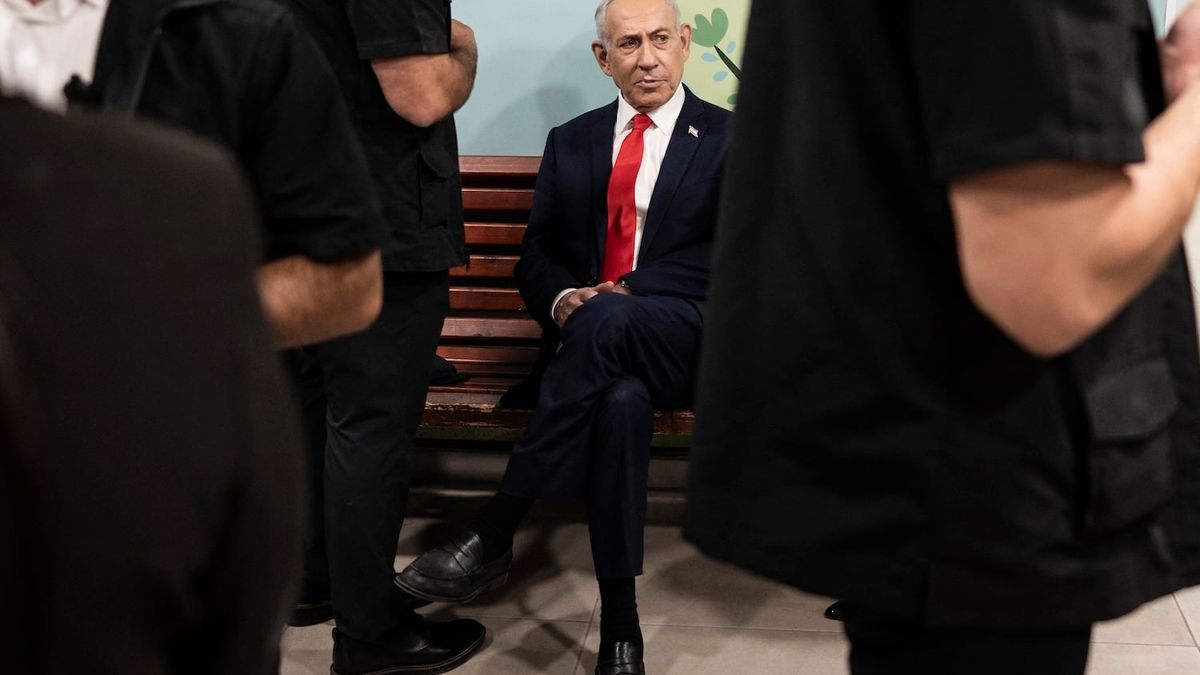
On October 27, 2026, Israel held a parliamentary election that produced a fragmented Knesset with no bloc reaching the 61‑seat majority. The incumbent Netanyahu‑led right‑wing alliance and the centrist opposition led by Gadi Eisenkot each fell short, plunging the country into a coalition‑building deadlock. In the immediate aftermath, the Tel Aviv Stock Exchange slipped 2‑4 percent, bond yields rose, and the shekel weakened against the dollar, reflecting investor anxiety over political uncertainty.
The election’s economic reverberations are rooted in three intersecting power structures.
- Tech‑U.S. Nexus: Israel’s growth engine is its high‑tech sector, tightly linked to American venture capital, research institutions, and AI giants. U.S. subsidies and joint R&D pipelines have turned Israel into a satellite of Silicon Valley, making its fortunes vulnerable to American policy shifts.
- Coalition Leverage: Israel’s proportional representation forces parties to bargain for ministerial portfolios. Small religious and nationalist factions can extract disproportionate concessions—budget allocations, settlement subsidies, or defense contracts—by threatening to withhold coalition support. This bargaining power translates into market volatility whenever a coalition’s composition looks uncertain.
- Central Bank Independence: The Bank of Israel has historically acted as a stabilizing anchor, keeping inflation low and the shekel credible. Netanyahu’s history of politicising monetary policy—pressuring the bank to fund war expenditures—creates a credibility gap. Investors watch for any sign that the central bank might be subordinated to political imperatives, which would raise borrowing costs for the government and private sector alike.
These dynamics intersect with external pressures. The United States, while still the main security guarantor, is growing wary of Israel’s escalation against Iran and its settlement expansion, which could trigger sanctions or reduced aid. Europe, meanwhile, has signalled a willingness to condition trade deals on human‑rights compliance, adding another layer of diplomatic risk.
While traders celebrate gains, ordinary Israelis feel the strain in everyday life.
The shekel’s post‑election depreciation has pushed imported food and energy prices upward. Household surveys show a 7 percent increase in the cost of basic groceries since the election, eroding real wages for low‑income families.
The tech boom continues to generate high‑paying jobs, but those opportunities are concentrated in Tel Aviv and Haifa. Workers outside the tech corridor—especially in peripheral Arab towns and the Negev—face stagnant employment prospects, widening regional inequality.
With the war against Iran intensifying, reserve mobilisations have lengthened, pulling many young adults out of civilian jobs. Their absence depresses household income and forces families to rely on state unemployment benefits, straining the social safety net.
Investor confidence has spurred a wave of real‑estate purchases by overseas funds, driving up property prices by 15 percent in the last year. Renters in Jerusalem and the central district now spend over 40 percent of their income on housing, a level deemed unaffordable by the World Bank.
Official statements focus on Israel’s resilience and the “innovation economy,” but several critical dimensions remain under‑reported.
U.S. defense and technology subsidies funnel billions into Israeli firms, yet the public discourse rarely quantifies this external financing. By downplaying the reliance on foreign money, policymakers mask the vulnerability that arises if Washington curtails aid.
Analysts note Netanyahu’s willingness to sideline the judiciary and central bank, but the narrative often frames these moves as “necessary reforms.” The deeper implication is a gradual erosion of checks and balances, which could enable unchecked fiscal spending and corruption.
Western governments publicly maintain strategic ties, yet private diplomatic cables reveal contingency plans for secondary sanctions if Israel’s settlement policy breaches EU trade rules. This looming threat is omitted from public briefings, leaving markets unaware of a potential shock factor.
The election amplified the political weight of ultra‑Orthodox parties that demand increased welfare spending for their constituencies. While budgetary impacts are discussed, the social friction between secular and religious communities—and the potential for civil unrest—is largely ignored.
- Coalition Forming: The composition of the eventual government will signal whether hard‑line settlement policies or a more moderate agenda will dominate. Pay attention to which small parties secure ministries tied to finance, defense, or the central bank.
- U.S. Policy Shifts: Monitor congressional hearings on foreign aid to Israel and any legislative moves that could tie assistance to human‑rights benchmarks. A change here would reverberate through the tech sector and defense contracts.
- Currency Movements: The shekel’s trajectory will reflect both market confidence in the coalition and external diplomatic pressures. A sharp depreciation could trigger capital controls.
- Social Unrest Indicators: Protests in mixed‑ethnicity neighborhoods, strikes by reserve soldiers, or spikes in hate crimes can foreshadow broader instability that would affect consumer confidence and tourism revenue.
- Sanctions Talk: Watch EU and UK trade ministries for language about “conditionality” in upcoming trade agreements. Even the suggestion of sanctions can cause pre‑emptive market adjustments.
By tracking these variables, readers can gauge whether Israel’s current economic surge is a sustainable engine of prosperity or a fragile bubble propped up by geopolitical risk and political maneuvering.
Investors feared a prolonged coalition deadlock, possible erosion of central bank independence, and heightened geopolitical risk, prompting a sell‑off in stocks, bonds, and the shekel.
American venture capital and AI firms invest heavily in Israeli startups, creating jobs and export revenue, but also make Israel dependent on U.S. policy decisions and funding.
Escalation of settlement activity or aggressive actions against Iran that violate EU trade or human‑rights standards could lead Western governments to consider secondary sanctions.
Editor's Note: Analysis based on publicly available reports and expert commentary; some diplomatic nuances may evolve rapidly.
Source referenced: FOREIGNPOLICY
This brief was synthesized by our Editorial Engine and reviewed by The Ground Narrative team.