TRENDING

Wednesday, 14 October 2026
----------------------
3 Jumada Al-Awwal 1448 AH
A Ukrainian former military officer is on trial in Germany, accused of orchestrating the 2022 Nord Stream gas pipeline sabotage. This public hearing aims to uncover who was behind one of modern history's most significant infrastructure attacks.
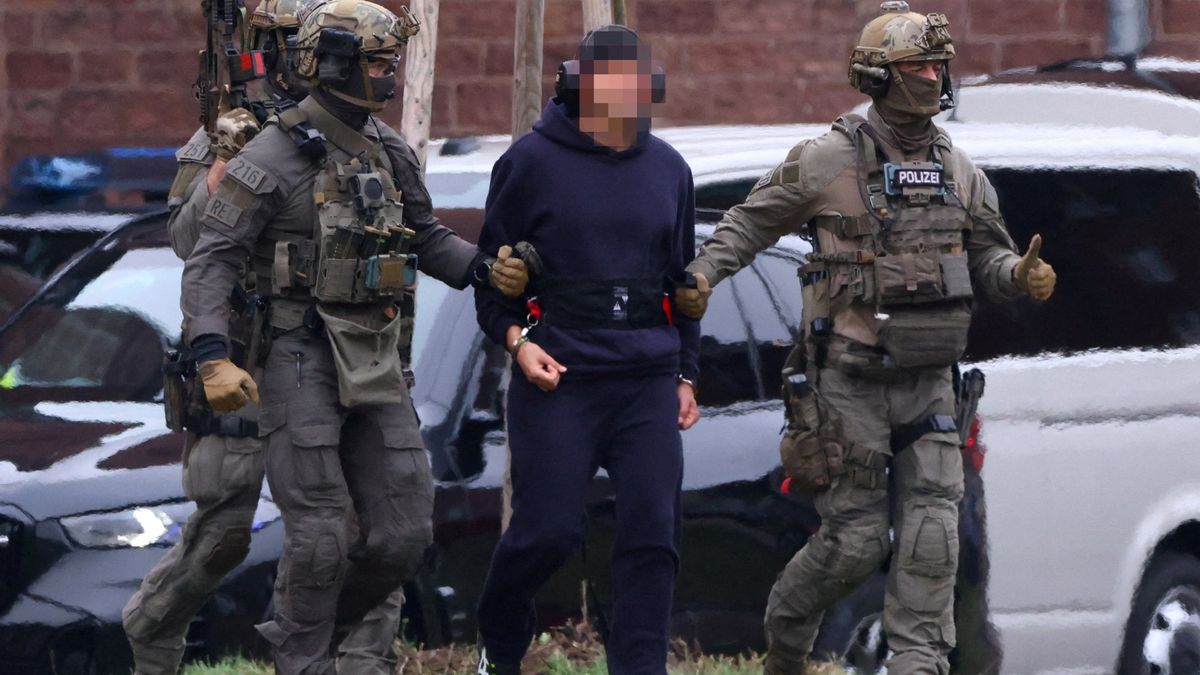
In a landmark legal proceeding, a Ukrainian former military officer, identified under German privacy rules as Serhii K., has gone on trial in Hamburg, Germany. He stands accused of organizing the September 2022 sabotage that severely damaged the Nord Stream 1 and Nord Stream 2 gas pipelines in the Baltic Sea. The blasts cut off Western Europe from its largest source of Russian natural gas, marking a dramatic escalation in the energy standoff that followed Russia's full-scale invasion of Ukraine. Serhii K., who denies any involvement, was arrested in Italy in August 2025 and extradited to Germany three months later. Prosecutors allege he led a team of agents, including divers and an explosives expert, using a hired sailboat to plant military-grade explosives near the Danish island of Bornholm.
The trial of Serhii K. lays bare a complex web of power dynamics, exposing the vulnerabilities of critical infrastructure and the fraught alliances shaping the global order. For Germany, the host nation, this trial is a delicate balancing act. As one of Ukraine's staunchest financial and military backers, Berlin finds itself investigating an act of sabotage potentially linked to its ally, while simultaneously seeking justice for a direct attack on its energy security. The destruction of the Nord Stream pipelines, which once supplied roughly half of Germany's natural gas imports, forced a rapid and costly pivot away from Russian energy, fundamentally reshaping Europe's energy landscape.
Ukraine's official denial of involvement underscores the immense political pressure it faces. Proving state-sanctioned sabotage by Kyiv would not only strain its vital relationship with Germany but could also erode broader European Union and NATO support, jeopardizing the flow of aid critical to its war effort. However, the strategic incentive for Ukraine to disable Nord Stream is clear: it would permanently sever Russia's energy leverage over Europe, preventing any future normalization of gas supplies that might undermine sanctions or weaken European resolve against Moscow. The pipelines were a symbol of Europe's energy dependence, and their destruction ensured that this dependence could not easily be re-established.
Russia, for its part, denies responsibility, despite initial widespread suspicion. The Kremlin now demands a
A Ukrainian former military officer, identified as Serhii K., is currently on trial in Hamburg, Germany. He is accused of organizing the 2022 sabotage of the Nord Stream gas pipelines, an accusation he denies.
Prosecutors allege that Serhii K. led a group of Ukrainian agents, including divers and an explosives expert, who used a hired sailboat to plant military-grade explosives on the pipelines. They claim he acted on behalf of unidentified Ukrainian state entities.
The blasts severed Europe's primary source of Russian natural gas, leading to a significant surge in energy prices, contributing to inflation, and forcing European nations to rapidly diversify their energy supplies. It also released large amounts of methane, a potent greenhouse gas, into the atmosphere.
Source referenced: ALJAZEERA
This brief was synthesized by our Editorial Engine and reviewed by The Ground Narrative team.