TRENDING

Thursday, 22 October 2026
----------------------
11 Jumada Al-Awwal 1448 AH
Nicaraguan President Daniel Ortega's announcement to cancel elections marks the culmination of years of democratic backsliding, raising concerns about the country's future and regional implications.
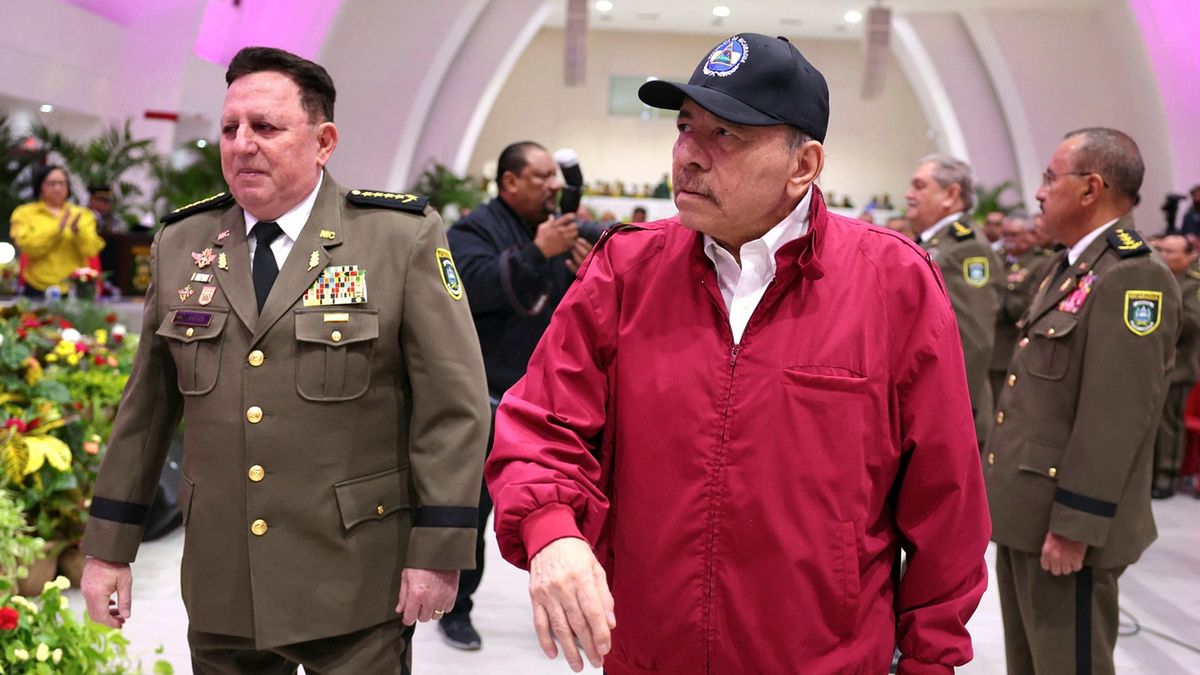
Nicaraguan President Daniel Ortega's announcement to cancel elections marks the culmination of years of democratic backsliding, raising concerns about the country's future and regional implications. Ortega, who has been in power since 2007, has dismantled opposition parties, jailed political rivals, and shuttered independent media, facing little consequential resistance from either domestic institutions or the international community.
The failure to form an effective regional coalition against Nicaragua's backsliding shows how much the cause has weakened today. Cross-border pro-democracy advocacy has been a feature of Latin American and broader Western Hemisphere politics since at least the post-World War II period. However, the lack of a unified response from key trading partners, including the United States, Mexico, China, and Guatemala, underscores the waning influence of pro-democracy pressure in the region.
The United States has imposed successive rounds of sanctions against Nicaragua since 2018, but has stopped short of a comprehensive economic embargo. One explanation may be migration, as the Ortega regime has quietly cooperated with Washington by accepting third-country deportees and restricting a northward Cuban migration route to the United States. However, historians Antonio Monte and Gema Kloppe-Santamaría argue that Washington should consider restoring funding for Nicaraguan civil society groups, as efforts to restrict humanitarian migration from the country have only weakened the opposition further.
Nicaragua's democratic backsliding has significant regional implications, particularly in the context of the US-China rivalry. A new Pew Research Center survey found that in five Latin American countries, more respondents viewed China as a reliable partner than they did the United States. This trend challenges the notion that Trump is strengthening US influence in Latin America, and may complicate relations in the long term.
Nicaragua's democratic backsliding marks a new era of autocracy in the country, with significant regional implications. The waning influence of pro-democracy pressure and the limited options available to the United States underscore the complexity of the issue. As the region continues to navigate the US-China rivalry, it is essential to consider the long-term consequences of Nicaragua's democratic backsliding and the potential impact on regional stability.
Editor's Note: The analysis is based on publicly available information and may not reflect the full complexity of the issue.
Source referenced: FOREIGNPOLICY
This brief was synthesized by our Editorial Engine and reviewed by The Ground Narrative team.


