TRENDING

Friday, 23 October 2026
----------------------
12 Jumada Al-Awwal 1448 AH
Israel's Prime Minister Benjamin Netanyahu has pushed through sweeping media reforms, sparking concerns about the erosion of press freedom and the deepening of media bias in the country.
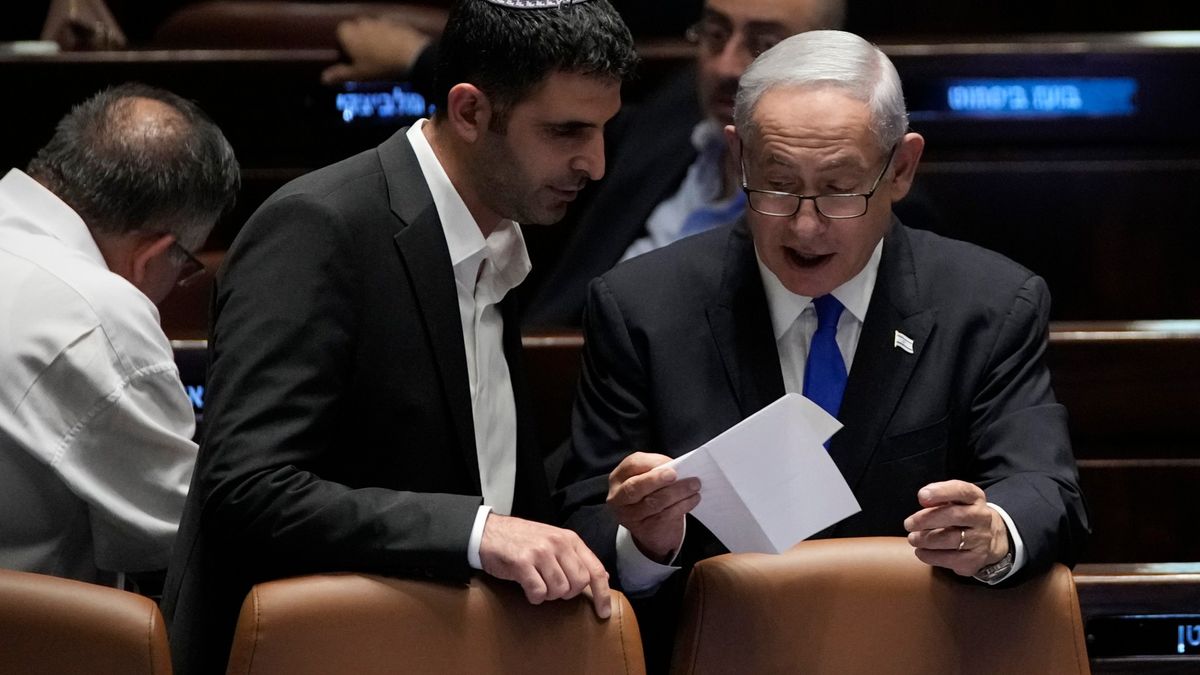
Israel's Prime Minister Benjamin Netanyahu has been accused of undermining press freedom and deepening media bias in the country through sweeping media reforms. The reforms, which were approved by the Knesset last week, strip away traditional oversight safeguards, eliminate requirements for minimum journalism standards, and lift longstanding limits on cross-ownership.
The reforms are part of Netanyahu's ongoing media overhaul, which has been criticized by media freedom organizations and opposition lawmakers. The government's push for media reforms comes as the country prepares for elections later this year, with Netanyahu's Likud party facing a tough challenge from opposition parties.
The reforms are a clear attempt by Netanyahu to exert greater control over the media landscape in Israel. By stripping away oversight safeguards and eliminating minimum journalism standards, the government is creating an environment in which media outlets can be more easily influenced by the government. This is a worrying trend, especially given Netanyahu's history of using his position to influence media coverage.
The reforms also raise concerns about the erosion of press freedom in Israel. By limiting the ability of media outlets to operate independently, the government is creating an environment in which critical reporting is discouraged. This is a threat not just to the media, but to the very foundations of democracy in Israel.
The reforms have significant regional implications, particularly in the context of the ongoing conflict between Israel and the Palestinians. By limiting the ability of media outlets to report on the conflict, the government is creating an environment in which the Israeli public is not fully informed about the situation on the ground. This is a recipe for further conflict and instability in the region.
The consequences of the reforms will be far-reaching. By creating an environment in which media outlets are more easily influenced by the government, the reforms will undermine the ability of the media to hold the government accountable. This will have significant implications for the rule of law and the protection of human rights in Israel.
The media reforms pushed through by Netanyahu's government are a clear threat to press freedom and the deepening of media bias in Israel. The reforms are a worrying trend, especially given Netanyahu's history of using his position to influence media coverage. The regional implications of the reforms are significant, particularly in the context of the ongoing conflict between Israel and the Palestinians. The consequences of the reforms will be far-reaching, undermining the ability of the media to hold the government accountable and threatening the rule of law and the protection of human rights in Israel.
The international community should be concerned about the erosion of press freedom in Israel. The reforms should be closely monitored, and the government should be held accountable for any attempts to undermine the media. The media should also be supported in its efforts to hold the government accountable, particularly in the context of the ongoing conflict between Israel and the Palestinians.
Editor's Note: The analysis is based on publicly available information and is subject to change as new information becomes available.
Source referenced: ALJAZEERA
This brief was synthesized by our Editorial Engine and reviewed by The Ground Narrative team.