TRENDING

Wednesday, 14 October 2026
----------------------
3 Jumada Al-Awwal 1448 AH
Israeli Prime Minister Benjamin Netanyahu has pledged to use 'overwhelming force' against Hezbollah following a deadly drone attack in northern Israel. This declaration significantly elevates the risk of a wider conflict on the Israel-Lebanon border, with profound regional and international implications.
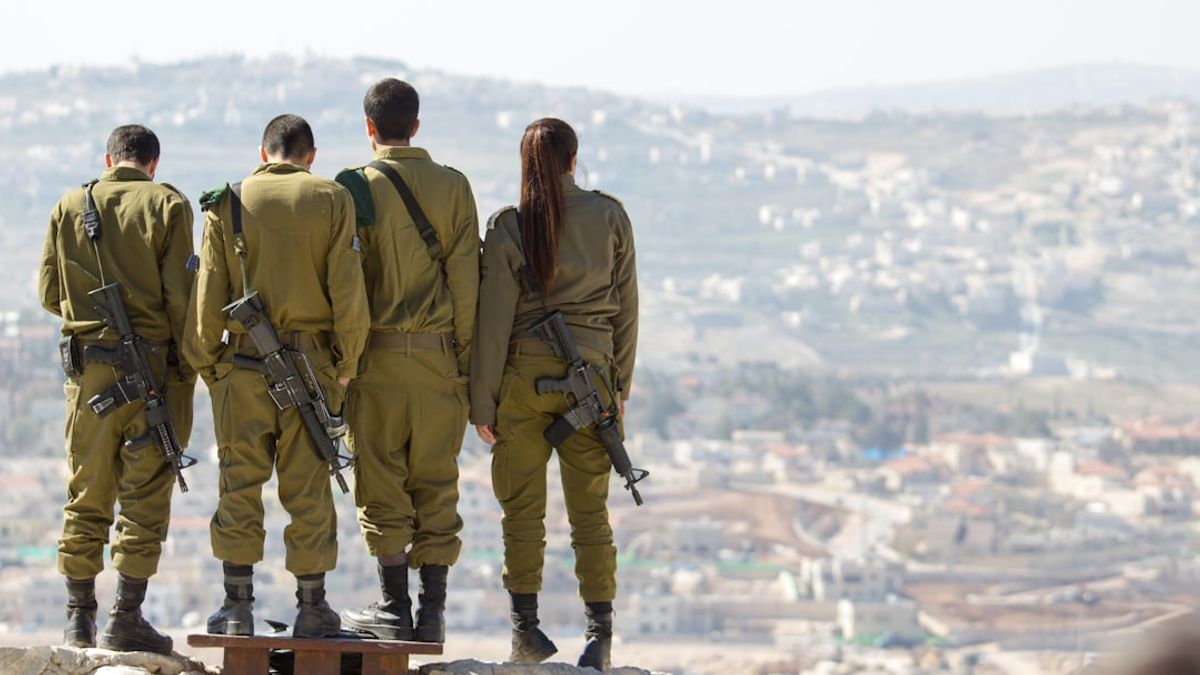
On May 26, 2026, Israeli Prime Minister Benjamin Netanyahu issued a stark warning, vowing to 'smite' Hezbollah with 'overwhelming force.' This declaration came in the immediate aftermath of a drone attack that resulted in the death of an Israeli soldier in northern Israel. The incident is part of a broader pattern of escalating hostilities, with Hezbollah fighters reportedly having killed 23 Israeli soldiers since March, underscoring a persistent and intensifying security challenge along the Israel-Lebanon border.
The recent drone attack serves as a critical flashpoint, pushing the long-simmering tensions between Israel and Hezbollah to a new precipice. Hezbollah, a powerful Shiite political party and militant group based in Lebanon, is a key non-state actor in the Middle East, heavily armed and financially supported by Iran. Its presence and capabilities along Israel's northern border have historically been a primary security concern for Jerusalem. The cumulative toll of 23 Israeli soldiers killed since March highlights a sustained campaign of attrition by Hezbollah, which Israel views as a direct threat to its sovereignty and civilian populations.
Israel's security doctrine has consistently emphasized a robust response to attacks, often employing disproportionate force to deter future aggression. Netanyahu's rhetoric of 'overwhelming force' aligns with this established doctrine, signaling a potential shift from retaliatory strikes to a more comprehensive military operation. The last major conflict between Israel and Hezbollah in 2006, which lasted 34 days, resulted in significant casualties and infrastructure damage on both sides, offering a grim precedent for the potential scale of any future confrontation.
The prospect of a full-scale conflict between Israel and Hezbollah carries immense geopolitical implications for the entire Middle East. Lebanon, already grappling with a severe economic crisis, political instability, and a fragile state apparatus, would be plunged into deeper chaos. A major Israeli military operation could devastate Lebanese infrastructure and displace large populations, exacerbating an already dire humanitarian situation.
Furthermore, Hezbollah's role as a key component of Iran's 'Axis of Resistance' means that any significant engagement could draw in other regional actors. Iran, which views Hezbollah as a strategic asset and a deterrent against Israeli and Western influence, would likely increase its support, potentially escalating the conflict beyond the immediate Israel-Lebanon theater. This could involve other Iranian-backed militias in Syria and Iraq, further destabilizing an already volatile region.
The international community, particularly the United States and European powers, would face immense pressure to de-escalate the situation. Diplomatic efforts would likely intensify, aiming to prevent a wider regional conflagration. However, the deep-seated animosity and strategic imperatives of both Israel and Hezbollah make a swift resolution challenging. The United Nations Interim Force in Lebanon (UNIFIL), tasked with monitoring the border, would find its mission severely tested in the event of a major military escalation.
For Israel, a large-scale operation against Hezbollah would aim to degrade the group's military capabilities, particularly its extensive rocket and missile arsenal, and push its forces away from the border. However, such an operation carries significant risks, including potential urban warfare, high civilian casualties in Lebanon, and the possibility of a protracted conflict. For Hezbollah, continued engagement serves to assert its role as a defender of Lebanon against Israeli aggression, bolster its domestic legitimacy, and maintain its strategic importance within the Iranian-led regional alliance.
Prime Minister Netanyahu's vow to use 'overwhelming force' against Hezbollah marks a critical juncture in the ongoing tensions along Israel's northern border. Triggered by recent deadly attacks, this declaration signals a potential shift towards a more aggressive Israeli posture. The implications are far-reaching, threatening to ignite a wider regional conflict that could destabilize Lebanon, draw in other state and non-state actors, and necessitate urgent international intervention. The coming weeks will be crucial in determining whether this rhetoric translates into a full-scale military confrontation or if diplomatic efforts can avert a catastrophic escalation.
Source referenced: ALJAZEERA
This brief was synthesized by our Editorial Engine and reviewed by The Ground Narrative team.


