TRENDING

Monday, 5 October 2026
----------------------
24 Rabi' Al-Thani 1448 AH
Lebanese analysts and officials have refuted Israeli Prime Minister Benjamin Netanyahu's claims that Christian villages in Lebanon have requested annexation, labeling them as an attempt to sow strife and division within the country's sectarian system.
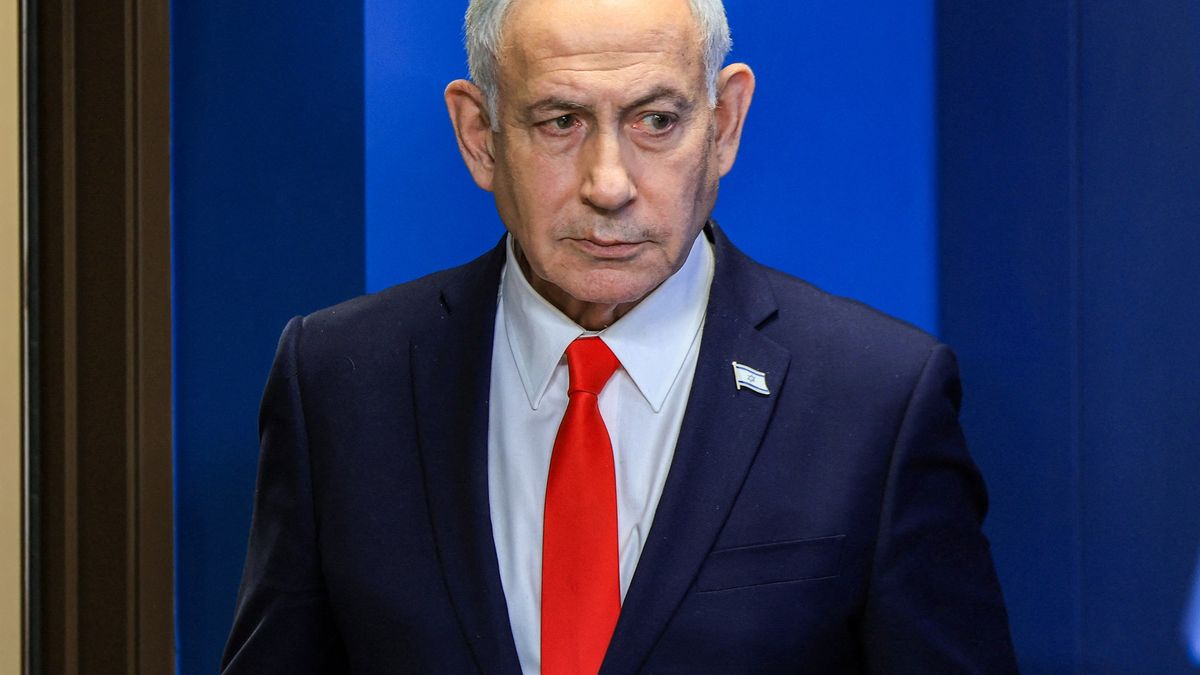
Israel's Prime Minister Benjamin Netanyahu has sparked controversy with his recent comments suggesting that Christian villages in Lebanon have requested annexation. However, Lebanese analysts and officials have swiftly refuted these claims, labeling them as an attempt to sow strife and division within the country's sectarian system.
Lebanon's sectarian landscape is complex, with a Maronite Christian president, a Sunni Muslim prime minister, and a Shia speaker of parliament. A sectarian quota also exists for Lebanon's parliament, and sect is a consideration when assigning government ministerial posts. This division has been exploited by external actors, including Israel, which has a history of using divide-and-conquer strategies to further its interests.
Netanyahu's comments come at a time when the security framework signed between Lebanon and Israel is under growing scrutiny. The agreement has been criticized for its perceived favoritism towards Israel and its failure to address the country's core issues. By making these claims, Netanyahu may be attempting to divert attention away from the agreement's shortcomings and create a narrative that Israel is a protector of certain minorities.
The implications of Netanyahu's comments are far-reaching. If successful, they could create internal conflict within Lebanon, pitting different sectarian groups against each other. This would not only undermine Lebanon's stability but also provide Israel with a pretext to further its interests in the region. The strategy of divide and conquer is not new, and Israel has used it in the past to manipulate sectarian tensions in Syria.
The consequences of Netanyahu's comments will depend on how Lebanon responds. If the country remains united and determined to nip in the bud all Israeli attempts to sow civil strife, it may be able to prevent further division and instability. However, if the comments are successful in creating internal conflict, it could have far-reaching consequences for the region, including the potential for violence and instability.
Netanyahu's comments are a diversionary tactic aimed at creating internal conflict within Lebanon's sectarian system. While they may be intended to further Israel's interests, they are ultimately a reflection of the country's own internal divisions and weaknesses. As Lebanon navigates this complex landscape, it is essential to remain united and determined to prevent further division and instability.
Editor's Note: While Netanyahu's motivations are unclear, it is evident that his comments are intended to create internal conflict within Lebanon's sectarian system.
Source referenced: ALJAZEERA
This brief was synthesized by our Editorial Engine and reviewed by The Ground Narrative team.


