TRENDING

Wednesday, 11 November 2026
----------------------
1 Jumada Al-Thani 1448 AH
Malaysia moved former prime minister Najib Razak from jail to his Kuala Lumpur home to finish a reduced six‑year sentence. The decision reverberates through the nation’s politics, economy, and public trust.
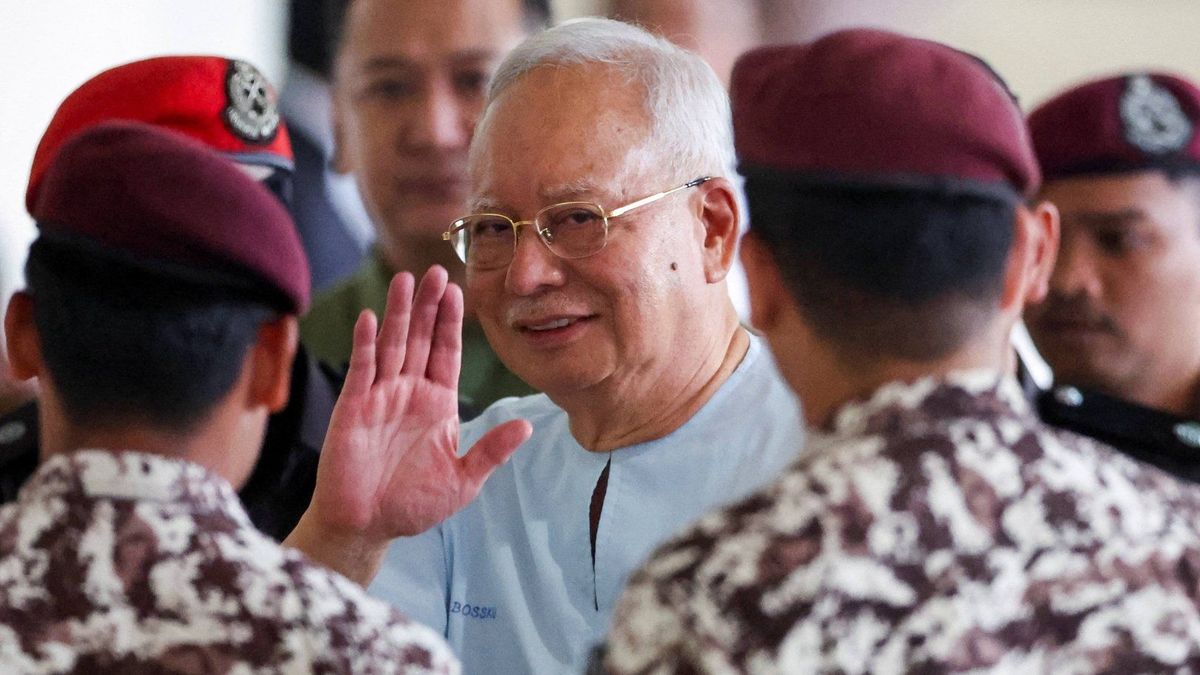
Former Malaysian prime minister Najib Razak was transferred on 11 November 2026 from a high‑security prison to his own house in Kuala Lumpur to serve the remainder of a reduced six‑year sentence under house arrest. The conviction stems from the 1MDB scandal, a multibillion‑dollar misappropriation of public funds that has haunted Malaysia since 2015. The move follows a court‑ordered sentence reduction after a series of appeals and health‑related petitions.
The decision to shift Najib to house arrest is not merely a legal technicality; it reflects a web of incentives that bind the current government, the judiciary, and entrenched business interests. First, the ruling Barisan Nasional coalition, now a junior partner in the federal government, faces a delicate balancing act. Public outrage over 1MDB remains high, yet the coalition’s senior figures still command loyalty among rural voters who view Najib as a development champion. By allowing a softer confinement, the coalition can signal compassion without appearing to overturn the verdict, preserving its electoral base while avoiding a full‑blown backlash from anti‑corruption activists.
Second, the judiciary’s credibility is at stake. Malaysia’s courts have been under scrutiny since the 2020 constitutional crisis that saw the suspension of several judges. A house‑arrest ruling can be framed as a humanitarian concession, deflecting criticism that the courts are either too harsh on a former leader or too lenient under political pressure. This framing helps maintain the perception of an independent judiciary while subtly accommodating elite preferences.
Third, the economic calculus cannot be ignored. The 1MDB debacle cost the national treasury an estimated US$4.5 billion, a sum that still haunts the country’s fiscal outlook. International investors, particularly from Singapore and Japan, monitor how Malaysia enforces high‑profile corruption cases. A visible, albeit softened, punishment reassures markets that the rule of law is functional, helping to stabilize bond yields and preserve foreign direct investment pipelines that are crucial for the nation’s post‑pandemic recovery.
Finally, the military and security apparatus benefits from a predictable political environment. The armed forces have historically been wary of abrupt power shifts that could destabilize the chain of command. By keeping Najib under a controlled, non‑prison setting, the security establishment reduces the risk of prison‑related unrest, potential martyrdom narratives, or radicalized protests that could strain its resources.
For many Malaysians in the countryside, Najib’s legacy is intertwined with infrastructure projects, scholarships, and the promise of economic uplift. The house‑arrest decision fuels a sense of betrayal among these communities, who see the concession as a reward for a leader they still regard as a benefactor. This sentiment can translate into reduced trust in the current administration, potentially depressing voter turnout in upcoming elections and weakening democratic participation.
The 1MDB scandal left a cascade of unpaid contracts and halted development schemes across the country. Small‑scale contractors who once relied on government‑backed projects now face cash‑flow crises, leading to layoffs and bankruptcies. While the headline focuses on Najib’s personal confinement, the underlying financial shock continues to ripple through local economies, especially in states like Selangor and Pahang where the scandal’s projects were most concentrated.
Malaysia’s younger generation, energized by social media, has been at the forefront of anti‑corruption rallies since 2018. The house‑arrest move is perceived by many activists as a softening of accountability, prompting a new wave of protests demanding stricter enforcement. Police responses have already included dispersal tactics and temporary internet throttling, raising concerns about civil liberties and the cost of dissent for ordinary citizens.
Official statements from the Attorney General’s Chambers emphasize the humanitarian rationale behind the house‑arrest order, citing Najib’s age and health. What is omitted, however, is the behind‑the‑scenes negotiation between senior ministers and Najib’s legal team that secured the sentence reduction. Leaked court documents suggest that the reduction was contingent on Najib’s agreement to forfeit remaining overseas assets, a clause that has yet to be fully enforced.
Another layer of omission concerns the role of foreign banks that facilitated 1MDB’s opaque financing. While Malaysian authorities have reclaimed some funds, the bulk of the laundered money remains tied up in offshore trusts controlled by entities linked to global financial institutions. International pressure to fully repatriate these assets is muted, reflecting a broader reluctance among powerful banking networks to expose systemic vulnerabilities.
Lastly, the narrative downplays the impact on Malaysia’s diplomatic posture. The United States and European Union have quietly praised the conviction as a win for anti‑corruption, yet they have not publicly commented on the house‑arrest shift. This silence hints at a tacit acceptance that stability in Kuala Lumpur outweighs the symbolic value of a harsher punishment, especially as the region grapples with rising great‑power competition.
- Parliamentary oversight: The next session of the Dewan Rakyat will feature a debate on the implementation of Najib’s asset‑recovery plan. Watch for amendments that could either tighten or loosen enforcement, signaling the government’s true commitment to restitution.
- Election timing: With the next general election slated for 2028, parties will gauge voter sentiment on the house‑arrest decision. A surge in anti‑incumbent rallies could reshape coalition dynamics and affect policy continuity.
- International asset tracing: Ongoing cooperation with the U.S. Department of Justice and Swiss authorities may surface new revelations about hidden 1MDB funds. Any breakthrough could reignite public pressure and alter Malaysia’s standing with foreign investors.
- Civil society mobilization: Youth groups are organizing a series of digital campaigns demanding a return to prison confinement. Their ability to sustain momentum without severe crackdowns will be a barometer for the health of Malaysia’s public sphere.
- Regional ripple effects: Neighboring countries watching Malaysia’s handling of elite corruption may adjust their own anti‑money‑laundering frameworks. Observe whether ASEAN’s anti‑corruption summit incorporates lessons from the 1MDB case.
By tracking these threads, readers can gauge whether Najib’s move to a living‑room cell is a genuine act of mercy, a calculated political maneuver, or a prelude to deeper systemic shifts that will shape Malaysia’s future for years to come.
The court reduced his sentence after health‑related petitions and a legal agreement that he would surrender remaining overseas assets, allowing a humanitarian‑styled house arrest.
It signals a softer enforcement approach, which activists view as a setback, while the government argues it maintains judicial credibility and economic stability.
Unpaid contracts, stalled projects, and lost public funds continue to hurt small businesses and rural communities that once depended on promised development.
Source referenced: ALJAZEERA
This brief was synthesized by our Editorial Engine and reviewed by The Ground Narrative team.