TRENDING

Wednesday, 11 November 2026
----------------------
1 Jumada Al-Thani 1448 AH
The 2026 Ebola outbreak in the Democratic Republic of the Congo has become the deadliest in the country's history, overwhelming a fragile health system. As cases spread across eight provinces, ordinary Congolese bear the brunt while powerful actors scramble for control of the narrative.
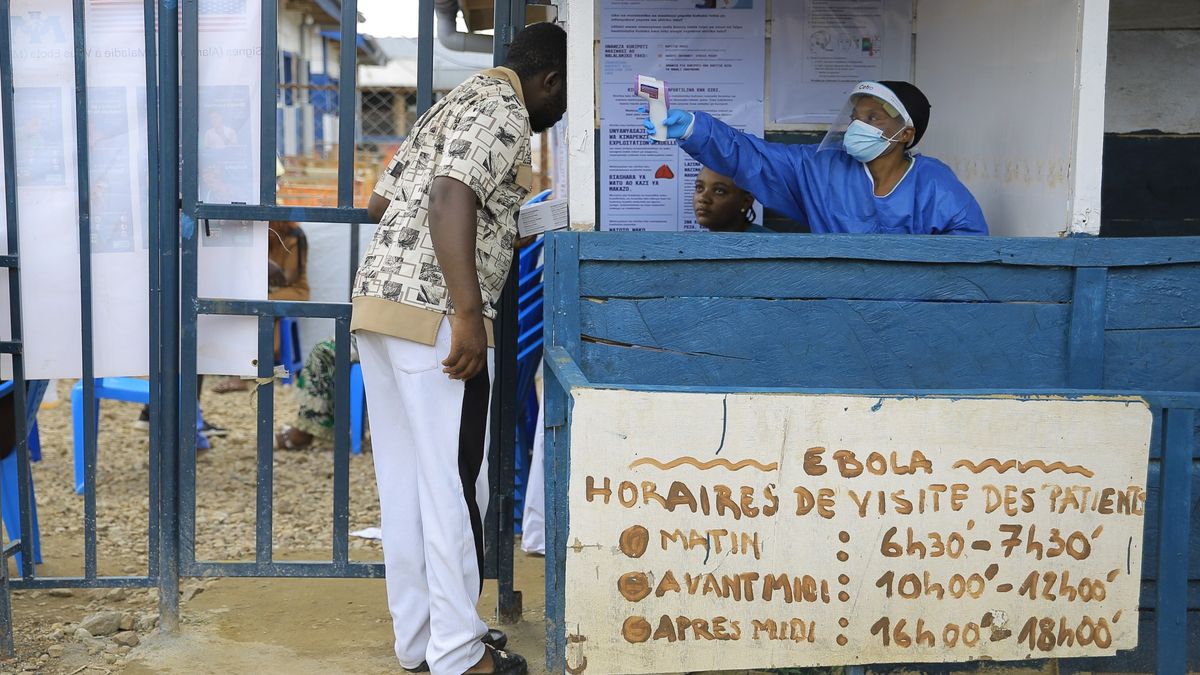
On 11 November 2026 the Democratic Republic of the Congo announced that confirmed Ebola cases had climbed to 11,042, with at least 5,387 deaths. The outbreak is driven by the rare Bundibugyo strain, which kills roughly half of those infected and has spread to eight of the nation’s 26 provinces. Health officials say the virus is now the second‑largest Ebola episode on record, trailing only the 2014‑2016 West African crisis.
The virus exploits a web of structural weaknesses that pre‑date the current flare‑up. Decades of under‑investment left the DRC’s health infrastructure skeletal; most provincial hospitals lack reliable electricity, cold‑chain capacity, or trained epidemiologists. When the first cases appeared, delayed detection—partly due to limited laboratory networks—allowed the pathogen to seed multiple transmission chains.
Compounding the health gap is the persistent conflict in the eastern provinces. Armed groups, some linked to mineral extraction, routinely block roadways and intimidate health teams, turning treatment centres into contested spaces. The resulting security vacuum forces NGOs to negotiate with warlords for safe passage, a process that slows response and inflates operational costs.
International aid flows are another lever of power. The World Health Organization approved clinical trials for two new Ebola vaccines in early November, but the trials are funded largely by Western philanthropies and pharmaceutical firms seeking market footholds. Donor nations—principally the United States, Belgium, and Japan—tie disbursements to governance benchmarks, giving them indirect sway over DRC’s public‑health priorities.
Finally, the DRC’s mineral wealth creates a geopolitical backdrop. Mining concessions for coltan, cobalt, and lithium generate billions in export revenue, attracting Chinese state‑owned enterprises and European investors. These actors lobby for stability, yet their security arrangements often sideline civilian protection, reinforcing a pattern where economic interests eclipse public‑health imperatives.
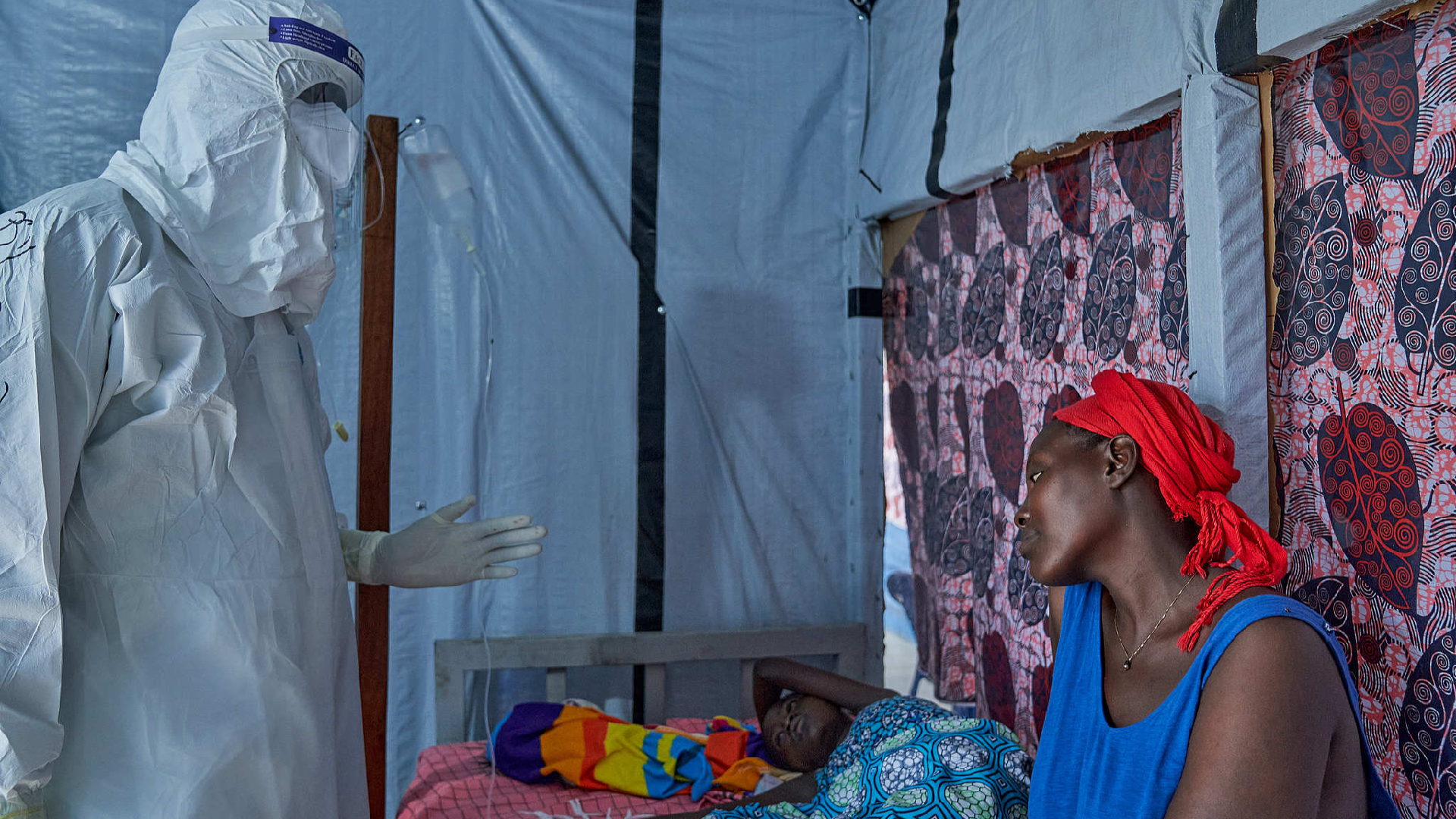
In villages across North Kivu and Ituri, families watch loved ones die at home because treatment centres are hours away and unsafe to reach. Women, who traditionally care for the sick, are now forced to bury victims without protective gear, exposing themselves to the virus and to long‑term stigma that can bar them from marriage or work.
Front‑line clinicians face a double threat: the virus itself and targeted violence. Since the outbreak began, more than 150 health workers have been killed or injured, either by armed groups suspicious of outsiders or by patients fearing infection. The loss of trained staff erodes trust in the health system and fuels a brain‑drain as surviving personnel flee to urban centers or neighboring countries.
The clash between armed factions and response teams has displaced over 200,000 people this year. Internally displaced persons (IDPs) live in overcrowded camps where water, sanitation, and nutrition are already scarce, creating a fertile environment for secondary disease outbreaks. Humanitarian agencies report that Ebola‑related fear discourages IDPs from seeking routine vaccinations, compounding future health risks.
Agricultural cycles are disrupted as laborers abandon fields to avoid infection or to join armed groups for protection money. Crop losses translate into food insecurity for millions, while market closures reduce household incomes. The ripple effect reaches urban hubs, where informal traders see a sharp decline in demand for goods unrelated to the epidemic.
Mining corporations operating in the affected provinces have largely remained silent in public statements, yet internal documents reveal contingency plans to reroute logistics away from outbreak zones. By securing private security forces, these firms protect their supply chains but simultaneously create parallel power structures that bypass state authority and limit humanitarian access.
The central government frames the crisis as a test of national resilience, emphasizing the president’s “swift action” while downplaying the role of armed groups in hampering response. This rhetoric masks a deeper political calculus: portraying the outbreak as an external threat helps consolidate power and justify increased military presence in the east, which critics argue serves long‑standing territorial ambitions.
Official case numbers are released weekly, but independent monitors note discrepancies between government reports and on‑the‑ground observations. Limited testing capacity and pressure to present a controlled picture lead to under‑reporting, a tactic that can influence donor confidence and affect the allocation of emergency funds.
After years of crises—from Ebola to COVID‑19 to cholera—major donors are recalibrating budgets. Some European ministries have signaled a shift toward “strategic health security” projects that prioritize border surveillance over community‑level care. This reallocation risks leaving the most vulnerable populations without the resources needed for effective containment.
The next few months will hinge on three interlocking developments. First, the results of the WHO‑approved vaccine trials—if successful, they could reshape outbreak response but also raise questions about equitable distribution. Second, the security situation in North Kivu: a renewed UN peacekeeping mandate or a breakdown in ceasefire agreements could dramatically alter access for health teams. Third, the flow of international aid; any abrupt cutbacks or conditionalities will reverberate through treatment centres, laboratory capacity, and ultimately, the death toll. Observers should track statements from mining firms, monitor satellite imagery of road closures, and watch for shifts in donor pledges as early indicators of how power will continue to shape the epidemic’s trajectory.
The Bundibugyo strain kills about 50% of those infected and lacks a specific vaccine, making containment reliant on isolation and supportive care, which are scarce in the DRC.
Armed groups block roads, threaten health workers, and create insecurity that delays case detection, hampers treatment‑centre access, and forces NGOs to negotiate dangerous security deals.
Source referenced: ALJAZEERA
This brief was synthesized by our Editorial Engine and reviewed by The Ground Narrative team.