TRENDING

Wednesday, 11 November 2026
----------------------
1 Jumada Al-Thani 1448 AH
Russia says it downed 146 drones over the Leningrad region amid a surge of Ukrainian strikes. The clash exposes a widening battlefield that threatens civilians and reshapes regional security.
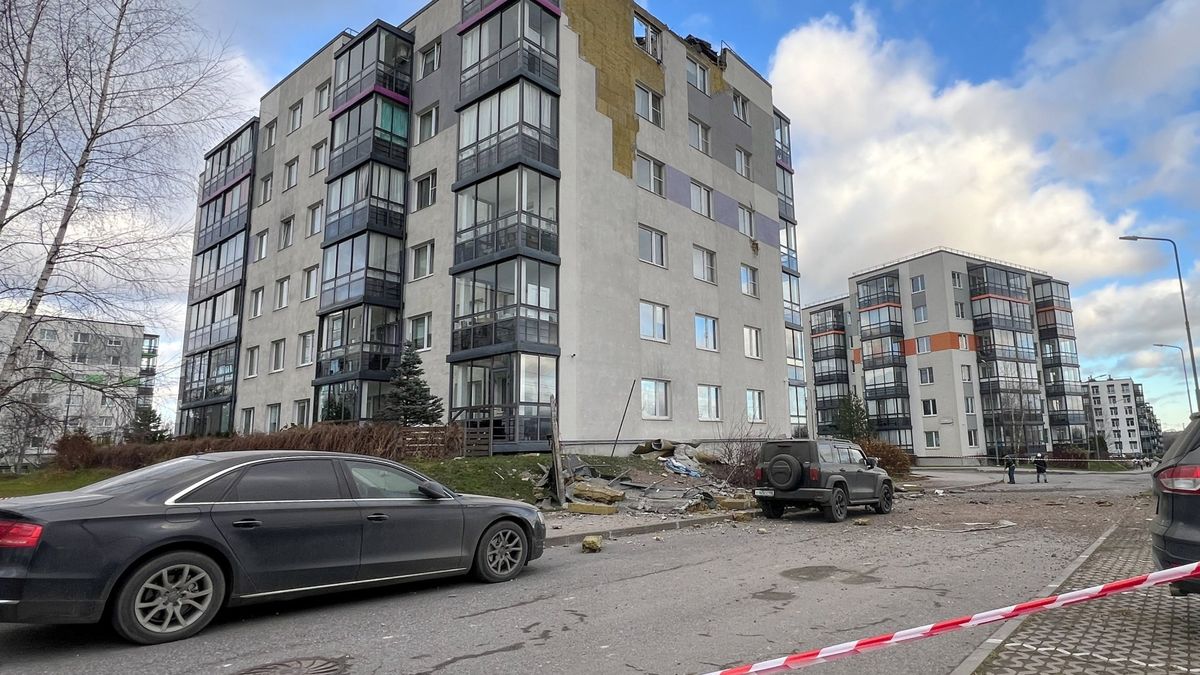
Russia announced on Telegram that its air defenses shot down 146 drones over the Leningrad region, a territory northwest of Moscow. The claim followed a series of Ukrainian‑launched attacks that hit the Kirishi oil refinery, set fire to the Ust‑Luga port, and damaged residential buildings in Vsevolozhsk. At the same time, Ukrainian forces fired artillery into Russian‑occupied Donetsk, wounding civilians, while Baltic states activated NATO air‑defence assets after unidentified aircraft crossed their airspace from Belarus or Russia.
The drone surge is not an isolated tactical episode; it is a convergence of several structural forces.
Both Russia and Ukraine entered the United Arab Emirates for U.S.‑mediated peace talks with a recent escalation on their side of the front. By striking deep‑inside Russian industrial heartlands, Kyiv signals that it can reach beyond the front lines, pressuring Moscow to concede on territorial and security guarantees. The timing—just as negotiations entered their second day—suggests a calculated gamble: a show of capability to extract diplomatic concessions without committing ground troops.
For President Vladimir Putin, showcasing a robust air‑defence response serves two audiences. Internally, it reinforces the narrative of a resilient Russia repelling hostile incursions, bolstering public morale after years of war fatigue. Externally, it signals to allies and adversaries that Russian military infrastructure remains functional, deterring further Western support for Ukrainian offensive capabilities.
The Kirishi refinery processes roughly 7 % of Russia’s crude output, making it a strategic asset for the state’s export earnings. A successful strike threatens not only immediate production but also long‑term investor confidence in Russian energy projects. By defending the refinery, Moscow protects a revenue stream that funds its war effort and sustains the domestic economy, which is already strained by sanctions.
Latvia and Lithuania’s rapid activation of NATO air‑defence illustrates the alliance’s commitment to collective defence under Article 5. However, the Baltic response also reflects a broader strategic calculus: any spill‑over of the conflict into NATO territory could trigger a larger confrontation, forcing the West to balance deterrence with the risk of escalation.
The numbers of drones intercepted mask a deeper human tragedy that unfolds in everyday spaces.
A residential building in Vsevolozhsk suffered structural damage after a drone strike, leaving families without safe shelter. The psychological impact of hearing distant explosions and seeing smoke rise over familiar streets erodes community cohesion and fuels a climate of constant anxiety.
The attack on the Kirishi refinery killed a woman and temporarily halted operations, leaving hundreds of workers idle. In Ust‑Luga, a fire at the port disrupted cargo handling, affecting local fishermen and logistics employees whose incomes depend on uninterrupted maritime traffic.
Latvian and Lithuanian citizens received shelter alerts as unidentified drones entered their airspace. While no casualties have been reported, the activation of fighter jets over civilian areas creates a palpable sense of vulnerability, especially among border communities that already feel squeezed between Russian aggression and NATO commitments.
Official statements from Moscow, Kyiv, and Western diplomats often gloss over the deeper ramifications.
Russian outlets highlight the interception count, framing the episode as a defensive triumph. Little attention is given to the civilian injuries, property loss, or the fact that many drones still penetrated airspace to strike critical infrastructure.
Kyiv’s communications celebrate the ability to strike deep targets, but they rarely acknowledge the civilian toll on the Russian side, which could be used by Moscow to rally domestic support and justify harsher security measures.
U.S. and European officials describe the drone attacks as “provocative” while simultaneously urging progress in Abu Dhabi talks. This duality sidesteps the question of whether continued drone warfare undermines the peace process or merely serves as a bargaining chip.
The next weeks will reveal whether the drone campaign escalates or recedes. Key indicators include: (1) any shift in the tone of the Abu Dhabi negotiations—whether Ukraine demands a cease‑fire on aerial attacks; (2) Russia’s response in terms of air‑defence procurement or legal measures that could tighten restrictions on civilian airspace; (3) NATO’s posture in the Baltic region, especially any permanent deployment of air‑defence systems; and (4) the flow of humanitarian aid to affected Russian towns, which will indicate how the state balances security with civilian welfare. Monitoring these signals will help ordinary citizens understand how a high‑tech battlefield translates into everyday risk and political leverage.
Ukraine aims to pressure Russia by disrupting energy production and logistics, reducing revenue for the war effort while signaling that it can strike far beyond the front line.
Increased drone incursions could prompt NATO to reinforce air‑defence deployments, heightening the alliance's visibility in the region and potentially drawing the conflict closer to NATO borders.
Editor's Note: Analysis based on publicly available reports and standard geopolitical assessment frameworks.
Source referenced: ALJAZEERA
This brief was synthesized by our Editorial Engine and reviewed by The Ground Narrative team.