TRENDING

Wednesday, 11 November 2026
----------------------
1 Jumada Al-Thani 1448 AH
Newly elected progressive lawmakers are using their midterm momentum to challenge the long‑standing U.S. arms pipeline to Israel. Their push could reshape aid, industry profits, and civilian lives in Gaza.
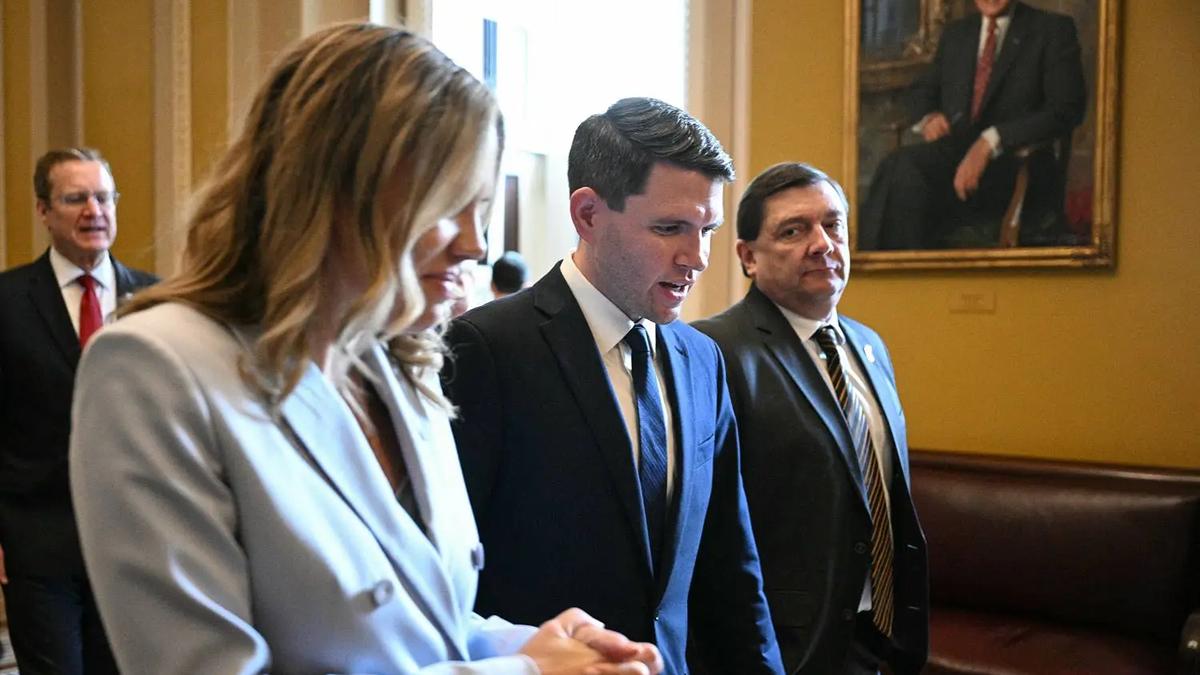
The 2026 midterm elections delivered a wave of progressive Democrats to the House and Senate, many of whom campaigned on ending what they call a "blank check" to Israel. Freshmen such as Rep‑elect Claire Valdez, Sen‑elect Abdul El‑Sayed, and Sen‑elect Troy Jackson have publicly called the U.S. military aid to Israel a "genocide" and vowed to block the sale of bunker‑buster bombs and other high‑yield munitions. While the Block the Bombs Act faces an uphill battle this year, its 80‑plus co‑sponsors signal a new legislative front that could reshape the $3.8 billion annual security assistance package.
The progressive surge is rooted in a narrow but energized voter base that linked the war in Gaza to domestic issues like economic inequality and criminal‑justice reform. By framing Israel aid as a moral and fiscal crisis, these lawmakers are turning electoral legitimacy into bargaining chips within the Democratic caucus. Their rhetoric forces centrist members, who fear a primary backlash, to reckon with a constituency that now expects concrete policy shifts before the new Congress convenes.
The U.S. defense sector stands to lose billions if the Block the Bombs Act or similar restrictions pass. Companies such as Lockheed Martin, Raytheon, and Boeing have deep supply‑chain ties with Israeli firms, especially in missile‑defense and precision‑guided munitions. The annual defense policy bill, which currently embeds a provision to expand Israeli technology integration, is a conduit for continued profit flow. Lobbyists from the Aerospace Industries Association are mobilizing to preserve the status quo, arguing that joint development safeguards American technological edge.
Appropriations for foreign military aid are bundled into larger spending packages, giving lawmakers a lever to withhold or condition funds. If the 2027 fiscal year budget stalls—a likely scenario given partisan gridlock—Democrats could extract concessions on Israel aid during the subsequent reconciliation process. The prospect of a delayed budget creates a strategic window for progressives to demand stricter oversight or outright cuts, leveraging the Senate’s narrow majority.
The internal Democratic debate over Israel has become a litmus test for candidates eyeing the 2028 nomination. Progressive leaders argue that a firm stance on Gaza will differentiate them from establishment figures who have traditionally defended the bilateral alliance. Conversely, centrist figures like Rep. Adam Smith, chair of the House Armed Services Committee, warn that alienating Israel could weaken U.S. regional influence and jeopardize coalition‑building against Iran.
The immediate victims of continued U.S. arms transfers are the residents of Gaza, where bunker‑buster bombs have caused extensive civilian casualties and infrastructure collapse. Hospital capacity is overwhelmed, clean water is scarce, and the destruction of schools hampers long‑term human development. Any reduction in the flow of such weapons could directly lessen the intensity of aerial campaigns and potentially open space for humanitarian corridors.
U.S. taxpayers fund the $3.8 billion annual assistance package, a figure that has risen sharply since the 2023 conflict escalation. For households already strained by inflation and stagnant wages, the perception that billions are earmarked for foreign wars fuels political cynicism and erodes trust in government spending priorities. Progressive proposals to reallocate or condition this aid aim to redirect resources toward domestic infrastructure and social programs.
A sudden curtailment of U.S. arms could ripple through Israel’s defense industry, affecting thousands of engineers and factory workers whose livelihoods depend on joint contracts. Moreover, a perceived weakening of Israel’s military edge may embolden hostile actors in the region, potentially destabilizing the fragile security balance that the U.S. has long sought to maintain.
While progressive leaders spotlight humanitarian concerns, senior officials in the United States State Department and Pentagon view the aid as a keystone of broader Middle‑East strategy. The integration of Israeli technology is presented as essential for maintaining a qualitative edge over adversaries like Iran and Hezbollah. This strategic narrative is rarely aired in public debates, allowing policymakers to downplay the long‑term security implications of cutting aid.
Pro‑Israel lobbying groups, including AIPAC and the more moderate J Street, have quietly reshaped the public conversation by emphasizing Israel’s right to self‑defense and the economic benefits of the partnership. Their messaging often omits the civilian toll in Gaza, framing the aid as a defensive necessity rather than an enabler of offensive operations. This framing creates a policy blind spot that progressive legislators are now trying to expose.
A shift in U.S. policy could reverberate beyond the Israeli‑Palestinian arena. Arab states that have recently normalized ties with Israel—the United Arab Emirates, Bahrain, and Sudan—have done so partly because of the perceived security umbrella provided by U.S. support. Reducing that umbrella may force these governments to reassess their diplomatic calculus, potentially slowing the broader Abraham Accords momentum.
- Legislative timing: Watch the reconciliation of the FY 2027 defense authorization bill. Any amendment that removes the Israeli‑technology provision will signal a tangible win for progressives.
- Committee votes: The upcoming House Armed Services Committee markup will reveal whether chair Adam Smith will defend the status‑quo or entertain the Block the Bombs Act.
- Presidential primaries: As the 2028 Democratic primary field solidifies, candidates’ positions on Israel aid will become a litmus test for their alignment with the progressive base.
- Regional responses: Monitor statements from Gulf and North‑African states regarding U.S. aid adjustments, as shifts may indicate broader geopolitical recalibrations.
- Defense‑industry lobbying: Track campaign contributions and lobbying disclosures from major defense contractors; spikes could foreshadow intensified pressure on lawmakers.
By following these indicators, readers can gauge whether the fresh progressive mandate will translate into concrete policy change or remain a symbolic gesture within a deeply entrenched security architecture.
The Block the Bombs Act is a proposed bill that would prohibit the transfer of certain high‑yield munitions, such as bunker‑buster bombs, to **Israel**. It currently has more than 80 co‑sponsors and aims to curb U.S. support for offensive operations in Gaza.
Reducing the $3.8 billion annual assistance package would free up federal funds that could be redirected to domestic priorities like infrastructure or social programs, addressing taxpayer concerns about spending on foreign conflicts.
Critics argue that U.S. arms are vital for Israel’s qualitative edge in the region. However, supporters of the cuts contend that Israel can source weapons elsewhere and that reduced U.S. support may encourage diplomatic solutions.
Editor's Note: Analysis based on publicly reported statements and legislative drafts; future negotiations may alter outcomes.
Source referenced: FOREIGNPOLICY
This brief was synthesized by our Editorial Engine and reviewed by The Ground Narrative team.