TRENDING

Saturday, 24 October 2026
----------------------
13 Jumada Al-Awwal 1448 AH
International airlines meet in Rio de Janeiro to discuss the impacts of the Middle East conflict, as IATA sharply cuts its 2026 outlook due to higher fuel prices and airspace disruptions.
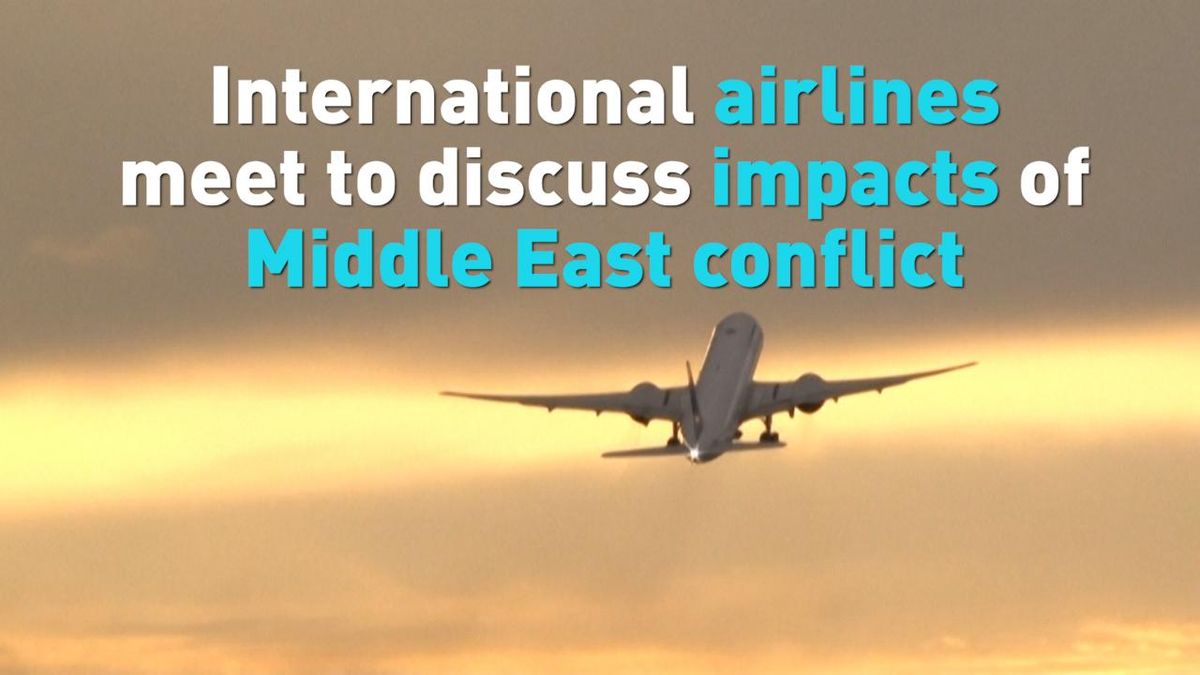
The International Air Transport Association (IATA) has gathered in Rio de Janeiro for its annual summit, amidst growing concerns over the impact of the Middle East conflict on the global aviation industry. The association has sharply cut its 2026 outlook, citing higher fuel prices and airspace disruptions linked to the conflict.
The Middle East conflict has been ongoing for several years, with various regional and global powers involved. The conflict has led to significant disruptions in the region, including airspace closures and increased fuel prices. This has had a ripple effect on the global aviation industry, with airlines facing increased costs and reduced capacity.
The Middle East conflict is a complex issue, with various strategic motivations at play. Regional powers such as Iran and Saudi Arabia have competing interests in the region, while global powers such as the United States and China have their own interests and agendas. The conflict has also drawn in other regional players, including Turkey and Israel.
The Middle East conflict has significant regional implications, including the potential for further destabilization and the risk of escalation. The conflict has also led to a significant increase in refugees and displaced persons, placing a strain on regional resources.
The future consequences of the Middle East conflict are uncertain, but there are several possible outcomes. The conflict could escalate, leading to further destabilization and increased regional tensions. Alternatively, the conflict could be resolved through diplomatic efforts, leading to a reduction in tensions and an increase in regional stability.
The Middle East conflict has significant implications for the global aviation industry, including increased costs and reduced capacity. The conflict also has broader regional and global implications, including the potential for further destabilization and the risk of escalation. As such, it is essential to monitor the situation closely and to consider the potential consequences of the conflict.
Source referenced: CGTN
This brief was synthesized by our Editorial Engine and reviewed by The Ground Narrative team.


