TRENDING

Wednesday, 4 November 2026
----------------------
24 Jumada Al-Awwal 1448 AH
The Michigan Senate contest could flip control of the U.S. Senate while spotlighting a Muslim candidate confronting Trump‑era rhetoric. Behind the headlines lie campaign money, community fear, and a test of progressive policy in a swing state.
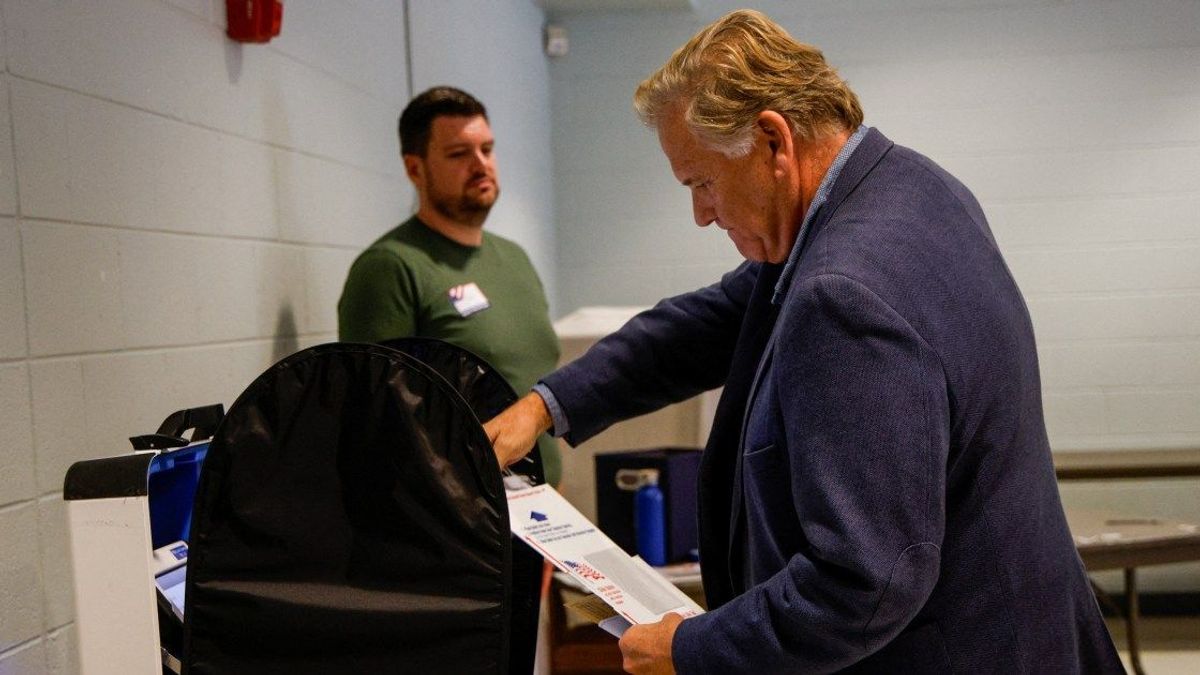
The November 3, 2026, election in Michigan features a high‑stakes contest for the U.S. Senate seat vacated by retiring Democrat Gary Peters. Abdul El‑Sayed, a former Detroit health commissioner and the first Muslim candidate for the chamber, faces Mike Rogers, a former congressman and staunch ally of Donald Trump. Early polls show El‑Sayed with an 11‑point lead, but the race remains a focal point for national parties because it could determine which side controls the Senate.
The contest is a microcosm of three overlapping power structures. First, Donald Trump uses the race to reinforce a narrative that pits “America first” against any perceived foreign‑influenced candidate, turning El‑Sayed’s faith into a political weapon. Second, the pro‑Israel lobbying machine, led by AIPAC, poured more than $30 million into the campaign of Democrat Haley Stevens, who in turn redirected a portion of those funds to a Republican super‑PAC supporting Rogers. This money‑flow illustrates how single‑issue interest groups can shape electoral outcomes far beyond their nominal policy arena. Third, the Democratic leadership, embodied by Chuck Schumer, treats the seat as a lever to regain Senate control, promising to deliver progressive legislation such as Medicare for All if El‑Sayed wins. The convergence of presidential endorsement, lobbying cash, and party survival creates a pressure cooker where each candidate is less a policy advocate than a conduit for larger institutional interests.
Muslim Americans in Detroit and surrounding suburbs have reported a surge in hate messages, phone calls, and social‑media harassment in the weeks leading up to the vote. The rhetoric from Trump and his allies, labeling El‑Sayed a “jihadist,” has translated into real‑world fear that discourages turnout among communities already skeptical of the political system.
Michigan’s economy still wrestles with the fallout from the auto industry’s restructuring and the lingering effects of the pandemic. El‑Sayed’s platform of universal health care and tuition‑free community college directly targets low‑income voters who struggle with rising medical bills and stagnant wages. If Rogers wins, the likelihood of continued tax cuts for corporations and reduced social spending could deepen economic inequality for these households.
The public feud between El‑Sayed and Haley Stevens—who switched her endorsement to Rogers—has left many progressive activists feeling abandoned. Their frustration reflects a broader pattern where intra‑party battles siphon resources away from grassroots organizing, leaving ordinary voters without the community support that can mitigate the impact of aggressive campaign attacks.
While headlines focus on the personalities, the flow of money tells a quieter story. The $9 million that moved from Stevens’s donors to a Republican group supporting Rogers is part of a larger trend of “donor hopping,” where wealthy contributors exploit loopholes to fund both sides of a race, ensuring influence regardless of the outcome. This practice dilutes transparency and makes it harder for voters to trace who truly benefits from the election.
National outlets have highlighted the Israel‑Gaza debate as a litmus test for El‑Sayed’s electability, but they rarely connect his stance to domestic policy implications. By framing the race as a binary choice between “pro‑Israel” and “anti‑Israel,” the media sidesteps the deeper question of how U.S. foreign aid budgets affect Michigan’s own infrastructure projects, school funding, and health‑care resources.
The Department of Justice’s decision to deploy monitors in all 50 states is presented as a safeguard for democracy. Yet the announcement also serves to legitimize a narrative that the election could be “rigged,” a claim repeatedly amplified by Trump’s allies. This dual messaging can erode public confidence in the electoral process, especially among communities already feeling targeted.
The immediate aftermath will hinge on whether the Senate flips and how quickly the new majority can advance its agenda. Observers should track three developments: (1) the final vote count in Michigan and any legal challenges that may arise from the DOJ’s monitoring program; (2) the flow of post‑election donations, especially from foreign‑policy lobbyists, which will signal where policy priorities will be headed in the next Congress; and (3) grassroots responses from Detroit’s Muslim and low‑income communities, whose mobilization—or demobilization—will shape future state and local races. The way these threads intertwine will reveal whether the 2026 midterms mark a turning point for progressive politics in the Midwest or a reinforcement of entrenched power structures.
The seat held by retiring Democrat Gary Peters is one of the few that can shift the balance of power. If Democrats win four more seats, they regain the majority, affecting legislation on health care, climate, and foreign aid.
Pro‑Israel lobbyist AIPAC funded Democrat Haley Stevens, whose donors later contributed $9 million to a Republican super‑PAC backing Mike Rogers. This cross‑party money flow shows how interest groups can steer outcomes regardless of party lines.
Source referenced: ALJAZEERA
This brief was synthesized by our Editorial Engine and reviewed by The Ground Narrative team.