TRENDING

Friday, 9 October 2026
----------------------
28 Rabi' Al-Thani 1448 AH
Saudi Arabia has activated the Mecca Joint Defense Agreement, formally bringing Pakistan and Turkey into its conflict against Houthi militants in Yemen. This move marks a significant escalation, reshaping regional alliances and raising the stakes for all involved.
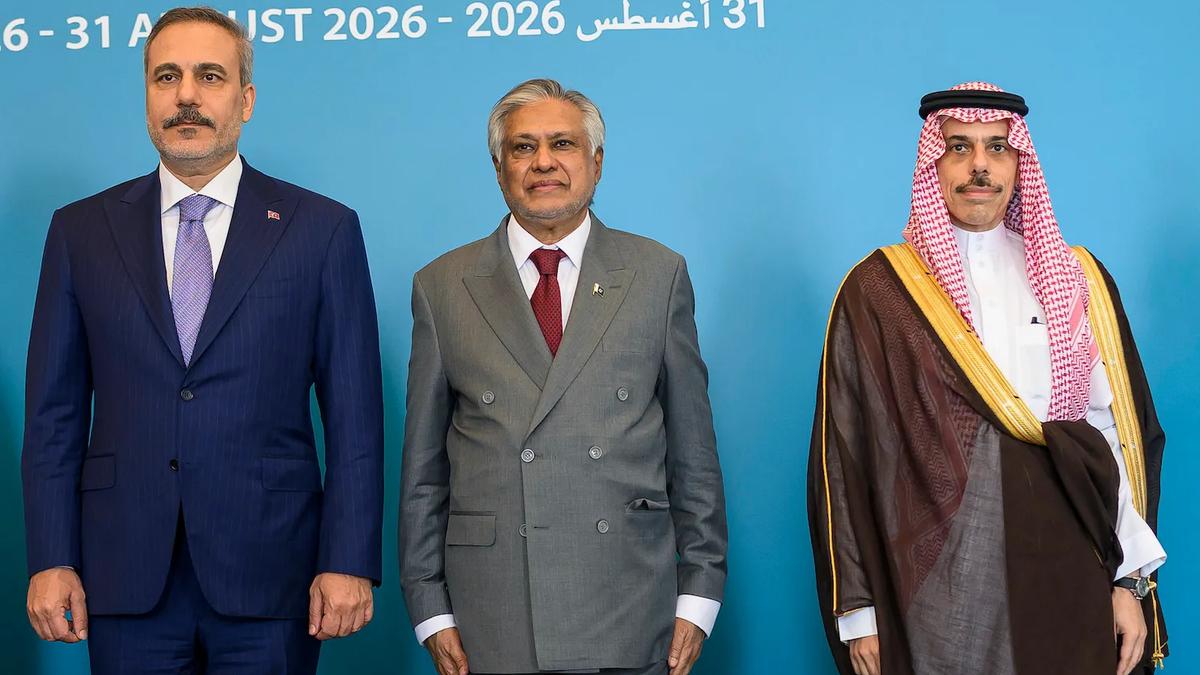
In a swift and decisive move, Saudi Arabia formally activated the Mecca Joint Defense Agreement (Mecca Pact) just two months after its signing in early August. This activation, announced on a Monday, immediately draws Pakistan and Turkey into the ongoing conflict against Yemen's Houthi militant group. The trigger for this escalation was a series of continued Houthi strikes targeting the Saudi capital, Riyadh, and multiple airports across the region. While Saudi-backed coalition forces have been retaliating, the formal invocation of the pact signals a new phase, leveraging the military and political weight of two significant Muslim-majority nations in the defense of the Kingdom.
The activation of the Mecca Pact is a stark demonstration of shifting power dynamics in the Middle East, driven by both immediate threats and long-term strategic calculations. For Saudi Arabia, the move underscores a recognition that the Houthi threat is not merely a border skirmish but, as some analysts suggest, an
The Mecca Pact, officially the Mecca Joint Defense Agreement, is a mutual defense agreement signed by Saudi Arabia, Pakistan, and Turkey. It commits the signatories to collective defense, primarily in response to threats against Saudi Arabia, and has now been activated due to Houthi attacks.
Pakistan's involvement is driven by national security concerns over the Bab el-Mandeb strait's stability for oil transport, and a desire to secure long-term Saudi financial and strategic support. Turkey seeks to project its regional influence and deepen its ties with Saudi Arabia, positioning itself as a key security actor in the Middle East.
For Yemen, the activation of the Mecca Pact risks a significant escalation of the conflict, potentially leading to increased civilian casualties, further displacement, and a worsening of the already catastrophic humanitarian crisis. It prolongs the suffering of a population already devastated by years of war.
Editor's Note: Analysis based on specific factual intelligence, contextualized within TGN's editorial doctrine.
Source referenced: FOREIGNPOLICY
This brief was synthesized by our Editorial Engine and reviewed by The Ground Narrative team.