TRENDING

Sunday, 25 October 2026
----------------------
14 Jumada Al-Awwal 1448 AH
Measles outbreaks are spreading across the US, with the largest centered in west Texas, highlighting the need for increased vaccination efforts and public health measures to prevent further transmission.
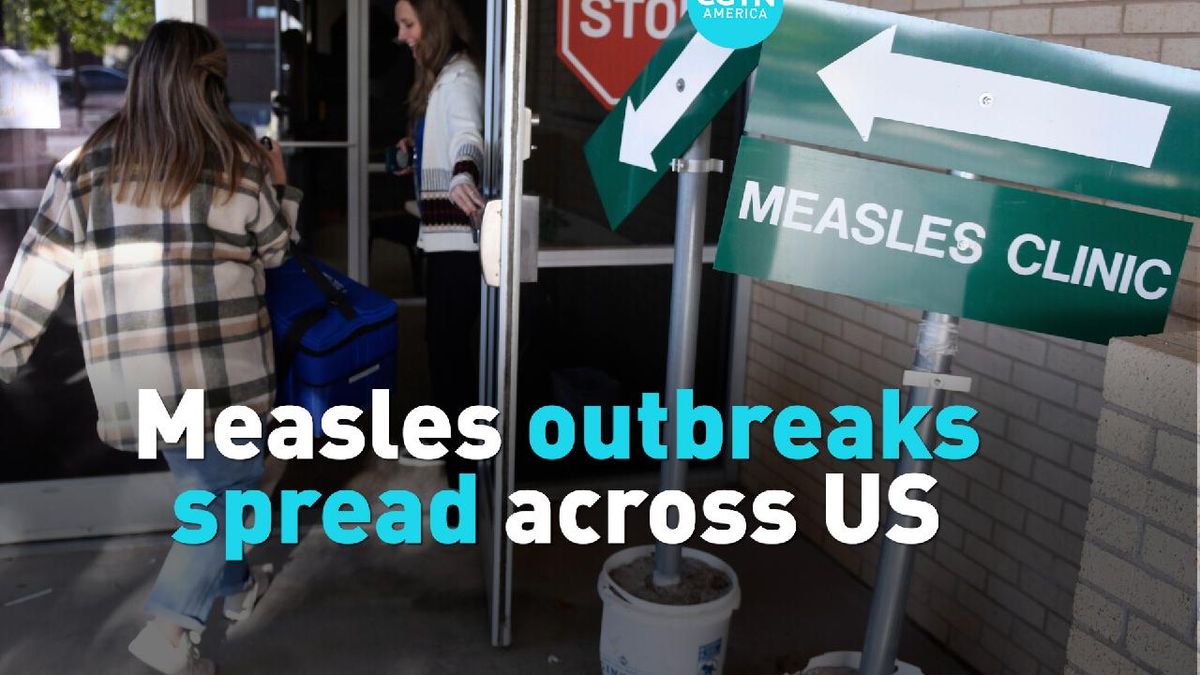
The recent measles outbreaks in the US are a stark reminder of the ongoing challenges in maintaining public health security, particularly in the face of vaccine hesitancy and misinformation. The largest outbreak is currently centered in west Texas, with cases reported in multiple states across the country.
The measles virus is highly contagious and can cause serious complications, including pneumonia, brain inflammation, hospitalization, and death. The fact that most reported cases are linked to local transmission rather than international travel highlights the need for increased vigilance and public health measures to prevent further transmission.
The US has made significant progress in reducing measles cases since the introduction of the measles vaccine in the 1960s. However, the country has struggled to maintain high vaccination rates, particularly in certain communities. The current outbreak is a wake-up call for public health officials and policymakers to re-examine their strategies for promoting vaccination and preventing outbreaks.
The measles outbreak in the US has implications for global health security, particularly in regions with low vaccination rates. The highly contagious nature of the virus means that outbreaks can quickly spread across borders, highlighting the need for international cooperation and public health measures to prevent transmission.
If left unchecked, the measles outbreak in the US could have serious consequences for public health, including increased hospitalizations, deaths, and long-term health complications. The economic burden of the outbreak could also be significant, particularly for healthcare systems and communities affected by the outbreak.
The current measles outbreak in the US is a complex issue with multiple stakeholders and motivations. Public health officials are working to promote vaccination and prevent further transmission, while policymakers are grappling with the challenges of vaccine hesitancy and misinformation. The outbreak also highlights the need for increased investment in public health infrastructure and emergency preparedness.
The measles outbreak in the US is a growing concern for global health security, highlighting the need for increased vaccination efforts, public health measures, and international cooperation to prevent further transmission. As the situation continues to unfold, it is essential to prioritize evidence-based public health strategies and address the root causes of vaccine hesitancy and misinformation.
Editor's Note: The analysis is based on available data and expert opinions, but the long-term consequences of the outbreak are uncertain and may depend on various factors, including the effectiveness of public health measures and the level of vaccine hesitancy.
Source referenced: CGTN
This brief was synthesized by our Editorial Engine and reviewed by The Ground Narrative team.