TRENDING

Friday, 2 October 2026
----------------------
21 Rabi' Al-Thani 1448 AH
The release of 82 Malian soldiers by armed groups in the north marks a rare moment of relief in a conflict that has ravaged the country since 2012. But as the government and its adversaries engage in a delicate dance of power and diplomacy, the human cost of the war continues to mount. The freed soldiers, held hostage by al-Qaeda-linked fighters and a separatist rebel group, are just a few of the many civilians and combatants caught in the crossfire of a conflict that has been fueled by regional and international interests.
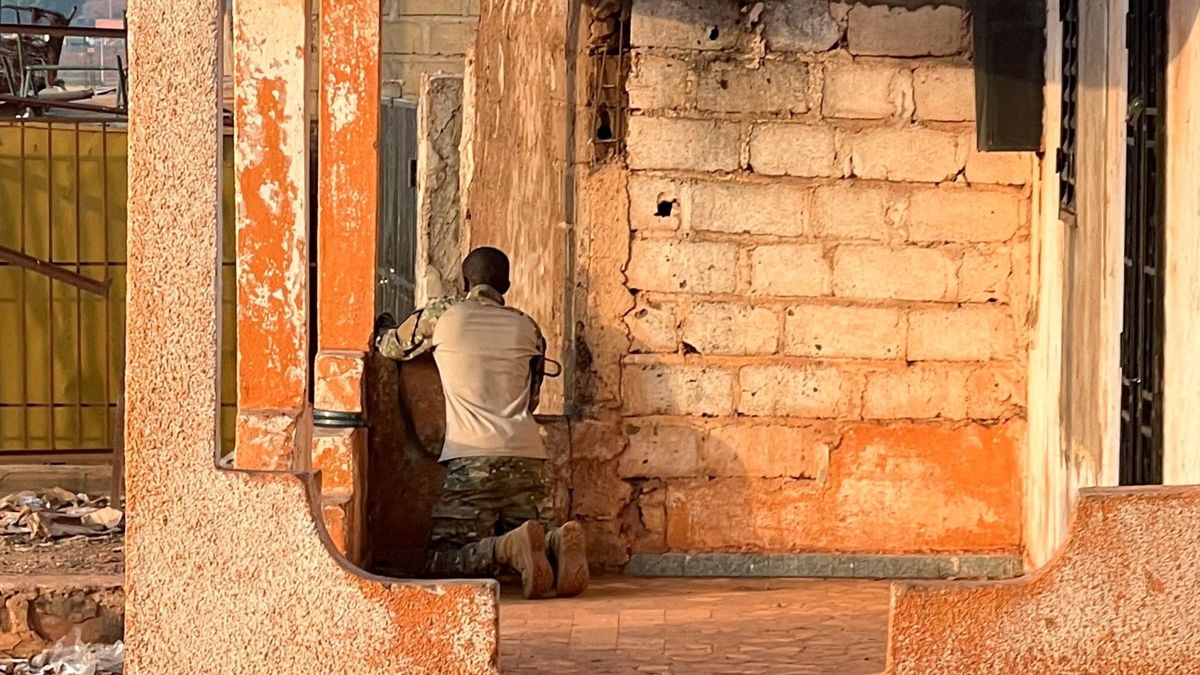
Mali's government has announced the release of 82 soldiers held captive by armed groups in the country's north. The soldiers, taken prisoner during a series of attacks in April, were freed into the government's care after a process initiated immediately after their capture. The release is a rare positive development in a conflict that has ravaged Mali since 2012.
The release of the soldiers is a testament to the complex web of power dynamics at play in Mali. The government, which has been ruled by the military since a 2021 coup, has been struggling to contain the threat posed by armed groups linked to al-Qaeda and ISIL (ISIS). The expulsion of French forces and the withdrawal of United Nations peacekeepers have created a power vacuum that has been filled by Russian paramilitaries. The two groups responsible for the release, the Tuareg-led Azawad Liberation Front (FLA) and the al-Qaeda-linked Jama'at Nusrat al-Islam wal Muslimin (JNIM), have set aside their ideological differences to confront the Malian government. The mediation of the release by Algeria highlights the regional dimensions of the conflict and the role of external actors in shaping the outcome.
The conflict in Mali has had a devastating impact on civilians and combatants alike. The release of the 82 soldiers is a rare moment of relief, but it also highlights the many others who remain captive or have been killed in the fighting. The conflict has been marked by human rights abuses, including forced disappearances, torture, and extrajudicial killings. The humanitarian crisis is further exacerbated by the displacement of hundreds of thousands of people, who have been forced to flee their homes due to the fighting. The economic cost of the conflict has also been significant, with the country's infrastructure and public services severely damaged.
Despite the release of the soldiers, the conflict in Mali remains shrouded in uncertainty. The government and its adversaries are engaged in a delicate dance of power and diplomacy, with each side seeking to gain the upper hand. The role of external actors, including Russia and Algeria, is also unclear, with each country pursuing its own interests in the region. The international community has been criticized for its inadequate response to the crisis, with many calling for a more robust and sustained engagement to address the root causes of the conflict.
As the situation in Mali continues to evolve, there are several key developments to watch. The reaction of the international community to the release of the soldiers will be crucial, with many eyes on the United Nations and regional organizations to see how they respond to the crisis. The role of Russia and Algeria will also be closely watched, as each country seeks to advance its own interests in the region. Ultimately, the human cost of the conflict will continue to mount unless a sustainable and inclusive peace can be found, one that addresses the root causes of the conflict and provides a better future for the people of Mali.
Editor's Note: The analysis is based on publicly available information and may not reflect the full complexity of the situation on the ground.
Source referenced: ALJAZEERA
This brief was synthesized by our Editorial Engine and reviewed by The Ground Narrative team.