TRENDING

Friday, 2 October 2026
----------------------
21 Rabi' Al-Thani 1448 AH
Recent rebel attacks in northern Mali have sparked concerns about the region's stability, with some targets seemingly intended as 'diversions' rather than primary objectives.
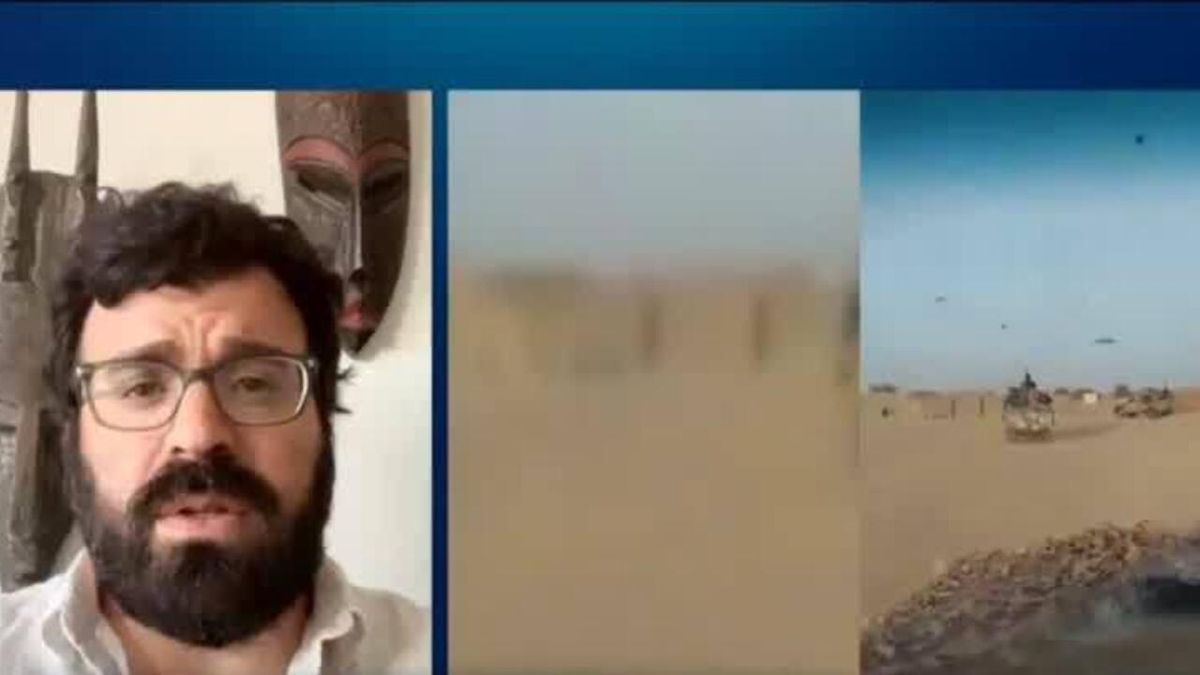
Mali, a landlocked country in West Africa, has been grappling with a complex security crisis for years. The latest wave of rebel attacks in northern Mali has raised concerns about the region's stability, with some targets seemingly intended as 'diversions' rather than primary objectives.
The Malian army has attributed the attacks to various rebel groups operating in the region. However, the true extent of their involvement and coordination remains unclear. Andrew Lebovich, a research fellow at Clingendael's Conflict Research Unit, suggests that some targets may have been intended as 'diversions' to distract from more strategically important objectives.
The rebel groups operating in northern Mali are likely driven by a mix of ideological, economic, and territorial motivations. Some may seek to establish an independent state or region, while others may aim to exploit the region's natural resources or create a power vacuum. The Malian government's response to the attacks, including the deployment of troops and the imposition of a state of emergency, may have inadvertently created an environment conducive to further violence.
The attacks have been concentrated in northern Mali, particularly in the regions of Gao and Sévaré. These areas have been plagued by insecurity and violence for years, with various rebel groups operating in the region. The Malian army has struggled to maintain control over these areas, and the recent attacks have further destabilized the region.
The latest wave of attacks began on July 4, 2026, with the Malian army reporting that several northern towns were targeted by rebels. However, the exact timing and frequency of the attacks remain unclear.
The attacks in northern Mali matter for several reasons. Firstly, they highlight the ongoing security crisis in the region, which has significant implications for regional stability and global security. Secondly, the attacks demonstrate the complex web of motivations and interests at play in the region, with various rebel groups and actors vying for power and influence. Finally, the attacks underscore the need for a more nuanced and effective approach to addressing the root causes of the conflict, including poverty, inequality, and lack of opportunities.
The situation in northern Mali is likely to remain volatile in the short term, with further attacks and violence possible. The Malian government and international partners will need to work together to address the root causes of the conflict and develop a more effective strategy for stabilizing the region. This may involve a combination of military, economic, and diplomatic efforts, as well as a greater emphasis on addressing the social and economic grievances of local communities.
Editor's Note: The analysis suggests that some targets may have been intended as 'diversions', but the true extent of the rebel groups' motivations and coordination remains unclear.
Source referenced: FRANCE24
This brief was synthesized by our Editorial Engine and reviewed by The Ground Narrative team.


