TRENDING

Monday, 5 October 2026
----------------------
24 Rabi' Al-Thani 1448 AH
Brazil heads to the polls in a razor‑thin contest between incumbent Luiz Inácio Lula da Silva and the son of former president Jair Bolsonaro. The outcome will reshape power structures and everyday life across the nation.
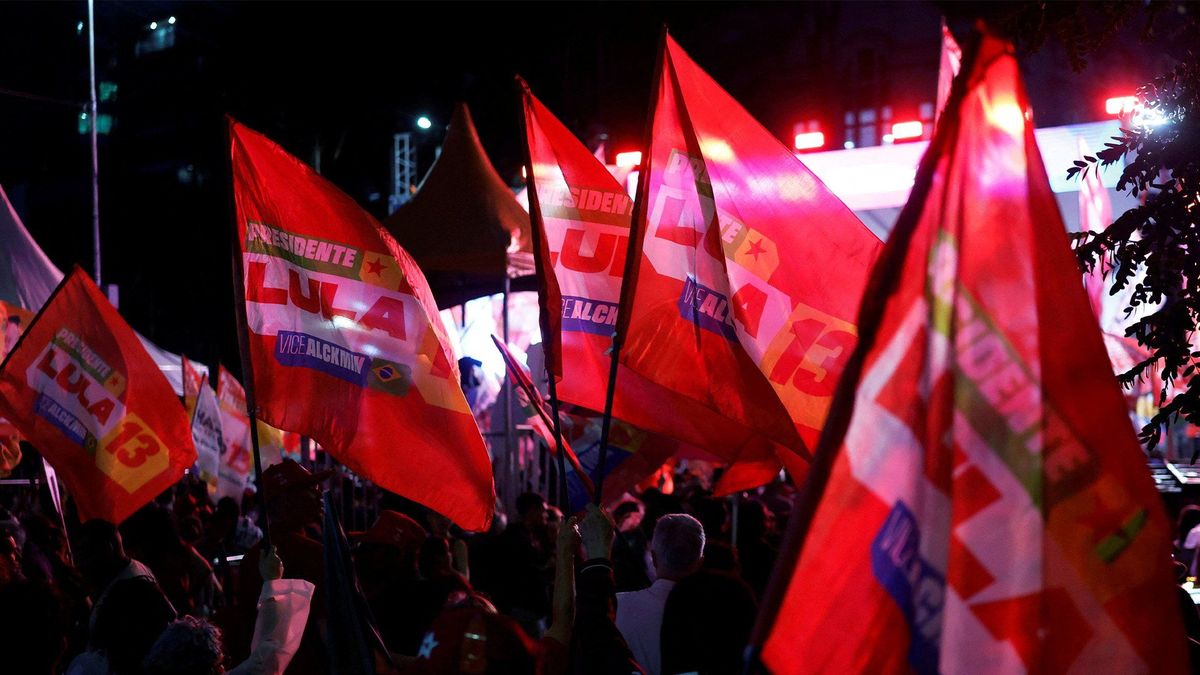
The nation will vote this Sunday to decide whether Luiz Inácio Lula da Silva secures a third term or whether the son of former president Jair Bolsonaro pulls off an upset. With neither candidate projected to clear the 50‑percent threshold, a runoff is scheduled for Oct. 25 if the first round remains inconclusive.
Brazil’s fragmented party system forces presidential hopefuls to assemble broad coalitions. Lula relies on the Workers’ Party (PT) and a left‑leaning bloc that controls key ministries, while the Bolsonaro heir leans on a right‑wing alliance that includes evangelical groups, agribusiness lobbies, and a growing populist media network. The necessity of coalition‑building means each side must negotiate policy concessions that reverberate far beyond the campaign trail.
The country’s economy has been wobbling between modest growth and inflation spikes. Lula’s administration has pursued a mix of social spending and cautious market reforms, hoping to keep foreign investment flowing. The Bolsonaro camp promises tax cuts for large landowners and deregulation of the mining sector, appealing to powerful agribusiness interests that dominate Brazil’s export earnings. Both platforms hinge on securing the backing of Brazil’s financial elite, whose support can tip the balance in a tight race.
Security concerns have resurfaced after a series of high‑profile crime waves in major cities. The Bolsonaro family has cultivated a narrative of law‑and‑order, courting the armed forces and police unions. Lula, meanwhile, emphasizes community policing and social programs aimed at reducing violence at its roots. The military’s historical involvement in politics makes its stance a decisive factor, especially if the election proceeds to a runoff where the armed forces could be courted for legitimacy.
Brazil sits at the crossroads of competing global currents. Lula has re‑engaged with the European Union, China, and the United States, positioning Brazil as a bridge between the Global North and South. The Bolsonaro heir’s rhetoric leans toward a more nationalist, anti‑globalization stance, echoing trends seen in other Latin American right‑wing movements. Foreign capitals are watching closely, as the election outcome will affect trade agreements, climate commitments, and regional diplomatic initiatives.
In the agrarian heartland of Mato Grosso and Pará, smallholder farmers fear that a Bolsonaro‑aligned government will accelerate land grabs by large agribusinesses. Past policies have seen indigenous territories and family farms encroached upon for soy and cattle expansion, often accompanied by forced evictions and violence. A shift toward deregulation could deepen these pressures, jeopardizing food security for millions.
Lula’s flagship Bolsa Família‑type cash transfers have lifted millions out of extreme poverty. Any rollback of these programs in a Bolsonaro‑led administration would hit the urban periphery hardest, where informal workers already grapple with rising living costs. The prospect of reduced social safety nets fuels anxiety among slum dwellers in Rio de Janeiro and São Paulo, who have historically leaned toward left‑wing candidates.
Brazil’s young population, many of whom are first‑generation voters, faces a precarious future. Public university funding has been a battleground, with the Bolsonaro camp advocating for stricter admission quotas and reduced state spending. Cuts could limit access for low‑income students, entrenching socioeconomic divides and stifling upward mobility.
While campaign ads spotlight personal charisma, a network of corporate donors is quietly shaping policy promises. Large agribusiness conglomerates, mining firms, and multinational retailers have funneled millions into political action committees that support the Bolsonaro heir. Their influence is downplayed in public statements that frame the race as a simple ideological showdown.
Brazil’s media landscape is dominated by a handful of conglomerates that own television networks, newspapers, and digital platforms. These owners have historically favored right‑leaning candidates, providing favorable coverage while marginalizing leftist voices. The extent of editorial bias is often omitted from official discourse, leaving voters with an uneven information field.
The Amazon basin, home to countless indigenous communities, is a strategic asset for both domestic and foreign actors. While the Lula administration has pledged to enforce environmental protections, enforcement remains weak. The Bolsonaro camp’s promise to open more of the forest to mining is presented as economic development, yet the human and ecological costs are rarely quantified in mainstream debate.
If a second round materializes, expect rapid realignments. Smaller parties will become kingmakers, extracting policy concessions in exchange for their endorsement. Tracking which parties swing toward Lula or the Bolsonaro heir will reveal the underlying power brokers.
Both the United States and China have signaled interest in Brazil’s election outcome. Watch for diplomatic visits, statements, and conditional aid packages that may be used to sway the final result. Shifts in foreign investment patterns could also signal which candidate is gaining the upper hand.
Recent street protests in São Paulo and Recife have shown that ordinary citizens are willing to take to the streets over housing, wages, and environmental concerns. The scale and organization of post‑election demonstrations will be a barometer of public sentiment and a potential lever on policymakers.
Brazil’s Supreme Court has a history of intervening in electoral disputes. Any legal challenges to vote counts, campaign financing, or candidate eligibility could prolong uncertainty and affect the legitimacy of the eventual winner.
By keeping an eye on these moving parts, readers can gauge how the Brazil 2026 presidential election will reshape power structures, affect daily life, and reverberate across the global stage.
Lula emphasizes social welfare, environmental protection, and multilateral trade, while the Bolsonaro heir focuses on deregulation, tax cuts for agribusiness, and a tougher law‑and‑order stance.
A runoff forces smaller parties to choose a side, giving them leverage to extract policy concessions. Their endorsements can tip the election and reshape coalition dynamics.
The Amazon holds strategic economic and environmental value. Policies on land use, mining, and indigenous rights directly affect global climate goals and local livelihoods.
Source referenced: ALJAZEERA
This brief was synthesized by our Editorial Engine and reviewed by The Ground Narrative team.