TRENDING

Sunday, 20 September 2026
----------------------
9 Rabi' Al-Thani 1448 AH
A militant assault on the Dioura camp in central Mali killed over 100 soldiers, marking the bloodiest loss for the army in fifteen years. The strike reshapes power calculations among jihadists, Tuareg rebels, and a fragile state struggling to keep its forces intact.
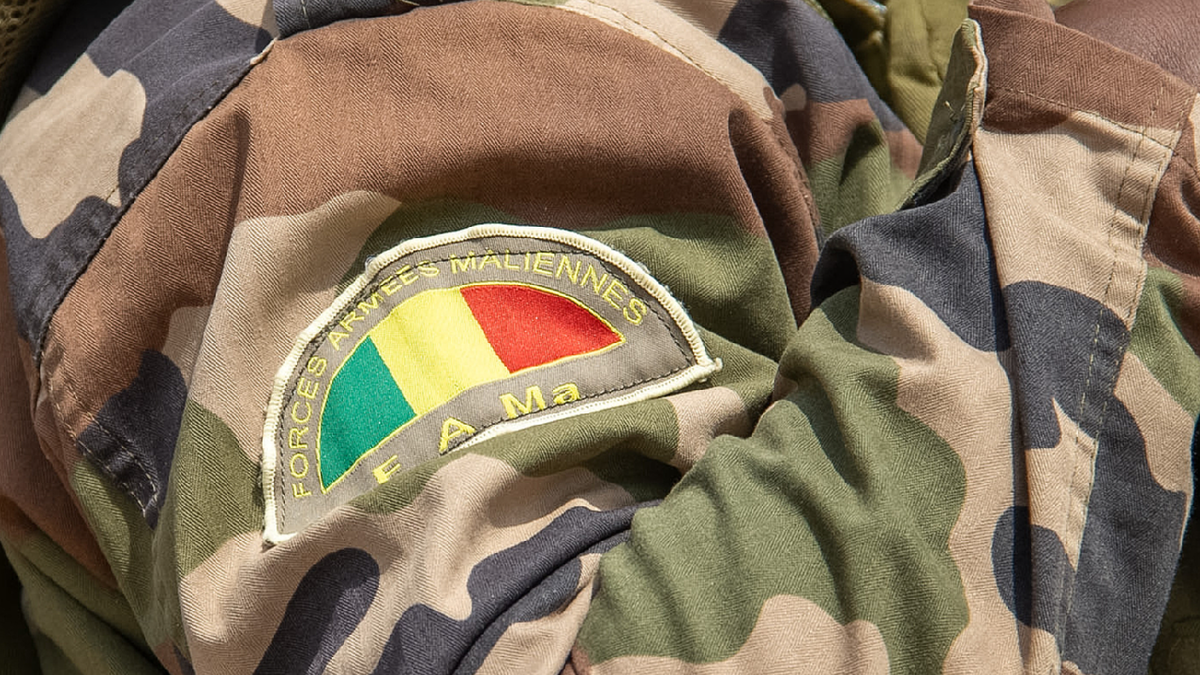
On September 10, militants stormed the Dioura military camp in central Mali, killing more than 100 Malian soldiers and reportedly capturing dozens. The jihadist coalition JNIM claimed responsibility, boasting figures that exceed the official count, while the Malian army announced air and ground operations in retaliation.
The attack underscores several intersecting incentives. JNIM, linked to Al‑Qaeda, leverages high‑profile strikes to attract recruits, funding, and regional relevance, especially as rival groups like the Islamic State affiliate vie for influence. The Tuareg Front for the Liberation of Azawad (FLA), though not directly claiming the Dioura raid, has coordinated with jihadists since April, blurring lines between separatist and extremist agendas. For the Malian government, the loss threatens the credibility of President Assimi Goïta’s security reforms and his reliance on foreign partners—France’s Operation Barkhane has withdrawn, and the Russian Wagner Group’s presence remains controversial. The army’s dwindling manpower forces reliance on foreign mercenaries and private contractors, creating a feedback loop where external actors gain leverage over Mali’s policy choices. Meanwhile, regional bodies like ECOWAS watch closely, as a destabilized Mali risks spillover into neighboring Burkina Faso and Niger, threatening trade routes and humanitarian corridors.
The human toll extends far beyond the fallen soldiers. Families in remote villages now face economic hardship, losing primary breadwinners and confronting the prospect of widows and orphaned children. The local economies around Dioura, already strained by desertification and limited market access, suffer as security vacuums invite illicit mining and trafficking, further eroding livelihoods. Displaced civilians fleeing renewed clashes add pressure to already overcrowded camps in Mopti and Gao, where malnutrition and disease are rampant. Moreover, the Malian youth, who constitute a large share of the army’s conscripts, confront a grim calculus: enlistment offers a modest stipend but now carries a dramatically higher risk of death, fueling resentment and potential desertion.
Official statements from Bamako downplay the scale, citing “ongoing operations” without releasing casualty figures. This silence masks budgetary strains: each soldier lost represents a costly replacement cycle, and the government’s limited fiscal space forces it to reallocate funds from health and education to sustain the military. International donors, wary of funding a force that appears increasingly dependent on Russian mercenaries, are softening aid, a fact rarely highlighted in press releases. Additionally, the environmental impact of abandoned weapon caches and destroyed infrastructure receives little attention, yet it hampers agricultural recovery and contributes to long‑term land degradation.
Watch for a shift in external support: France may deepen its advisory role, while Russia could expand Wagner’s footprint if the Malian state leans further on private contractors. The regional security architecture—particularly ECOWAS’s threat of sanctions—will test Mali’s diplomatic flexibility. Internally, the government’s response to recruitment shortfalls—whether through increased conscription, higher pay, or intensified reliance on foreign fighters—will shape the army’s capacity to hold territory. Finally, any political opening for dialogue with Tuareg leaders could either fragment the jihadist coalition or, paradoxically, legitimize extremist narratives if negotiations stall.
These dynamics will determine whether Mali’s tragedy remains an isolated bloodletting or signals a deeper unraveling of state authority in the Sahel.
Source referenced: CGTN
This brief was synthesized by our Editorial Engine and reviewed by The Ground Narrative team.


