TRENDING

Monday, 5 October 2026
----------------------
24 Rabi' Al-Thani 1448 AH
Malawi's unexpected qualification for the Women's World Cup is more than a sporting upset; it's a story of soft power, global talent flows, and national identity emerging from the shadows of underinvestment.
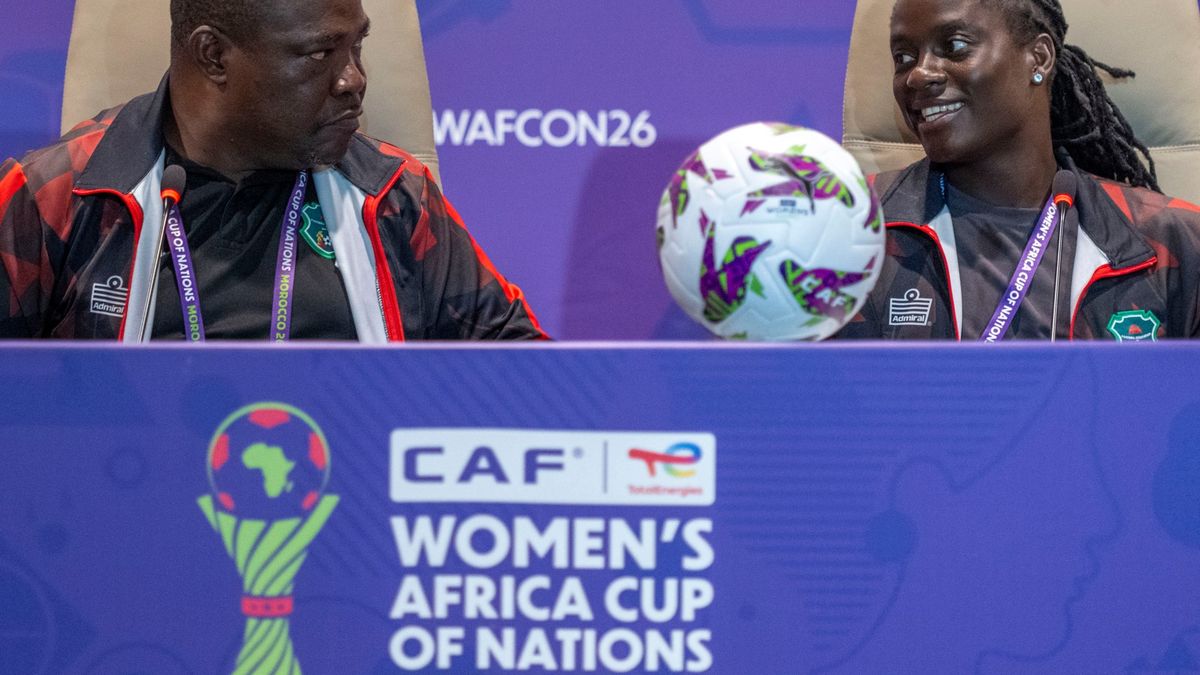
The recent Women's Africa Cup of Nations (WAFCON) saw Malawi, a nation ranked 153rd globally in women's football, achieve an unprecedented feat: reaching the final and securing a spot in the upcoming FIFA Women's World Cup. This "upstart" victory, which included a decisive 3-1 win over Algeria, marks a significant moment for a country rarely spotlighted on the international stage. Alongside Malawi, Algeria, Cameroon, and Morocco also qualified for the World Cup, signaling a dynamic shift in African women's football.
This triumph, seemingly confined to the sports pages, reveals deeper mechanics of global power and influence. For a nation like Malawi, devoid of significant economic or military might on the world stage, sporting success becomes a potent form of soft power. It projects a new narrative, fostering national pride and unity, and drawing international attention that might otherwise be absent. This isn't about military alliances, but about cultural diplomacy and the power of collective achievement to elevate a nation's profile. Crucially, the success is underpinned by the globalized nature of modern football. Players like Tabitha and Temwa Chawinga, who honed their skills in top leagues in France and the United States, represent a critical talent migration dynamic. These athletes, developed in more resourced environments abroad, return to elevate their national teams, showcasing how external investment in individual talent can dramatically impact a home nation's standing. This creates a complex interdependence, where the success of smaller nations often relies on the infrastructure and financial muscle of wealthier footballing ecosystems.
While the headlines celebrate goals and victories, the human cost behind such success often remains unseen. For every triumphant player, there are countless others who never get the chance due to systemic underinvestment in sports infrastructure, particularly for women, across many African nations. The journey of players like the Chawinga sisters is often one of immense personal sacrifice, overcoming significant socio-economic barriers in environments where professional pathways for female athletes are scarce. Their need to seek opportunities in foreign leagues highlights a critical brain drain of talent; while beneficial for the national team, it underscores the lack of sustainable domestic leagues and support systems that could nurture and retain talent within their home countries. The human cost is borne by generations of athletes who, without such opportunities, see their potential unfulfilled, and by communities that lack accessible, well-funded sports programs.
What official statements and celebratory narratives often downplay is the sheer struggle to build competitive women's football in contexts of limited resources. This isn't merely a "Cinderella story" but a testament to years of quiet perseverance against significant odds. The gender gap in sports funding is a particularly acute issue in many African countries, where women's football receives a fraction of the investment, media coverage, and public recognition compared to men's. The narrative of individual brilliance, while true, can obscure the broader systemic challenges: the absence of professional contracts, inadequate training facilities, and societal biases that still limit opportunities for female athletes. The critical role of players who gain experience in the diaspora, effectively acting as conduits for global best practices and skill development, is also often understated, yet it is fundamental to these "upstart" successes.
The challenge now for Malawi, and indeed for all qualifying African nations, is to leverage this moment beyond the immediate euphoria. What to watch for next includes whether this unprecedented success translates into sustained investment from governments and and private sectors into grassroots women's football programs, coaching development, and professional leagues within Malawi. Their performance at the FIFA Women's World Cup will be critical; a strong showing could further amplify their global visibility and attract much-needed resources. Finally, the ability to retain and develop local talent to build a self-sustaining football ecosystem, reducing reliance on talent migration, will be the true measure of whether this triumph marks a fundamental shift or remains a singular, albeit inspiring, moment.
Source referenced: ALJAZEERA
This brief was synthesized by our Editorial Engine and reviewed by The Ground Narrative team.