TRENDING

Monday, 5 October 2026
----------------------
24 Rabi' Al-Thani 1448 AH
A long‑acting HIV prevention injection shows near‑perfect efficacy, but its rollout is tangled in patents, pricing and shrinking donor funds. The article unpacks who will actually benefit and who is left waiting.
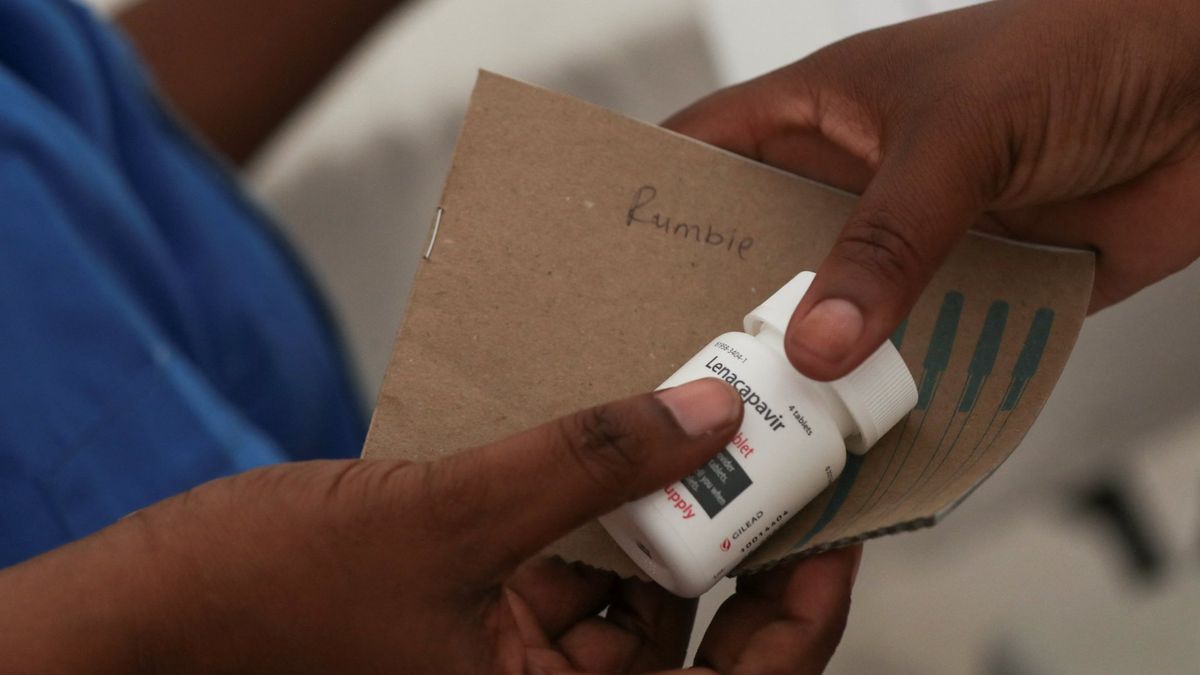
The lenacapavir injection, developed by Gilead Sciences, received FDA approval in June 2025 as a twice‑yearly pre‑exposure prophylaxis (PrEP) for HIV. Clinical trials in South Africa and Uganda showed zero infections among more than 2,000 participants, prompting the World Health Organization to add it to its recommended PrEP options. At the same time, international HIV funding fell 18 % in 2025, dropping to $7.3 billion – the lowest level in nearly two decades. The paradox of a medical breakthrough arriving amid a financial squeeze has turned the question of access into a geopolitical flashpoint.
- Patent licensing – Gilead supplies its branded drug at no profit to Global Fund and PEPFAR programmes, but reserves the cheaper generic market for a limited set of manufacturers. The generic version, projected at $40 per year, will not be widely available until 2027, and 26 middle‑income countries, including Brazil and Mexico, are excluded from the current licensing deal.
- Donor dynamics – The United States, through PEPFAR, remains the largest single funder of HIV programmes. Cuts to U.S. aid have forced recipient countries to rely on a shrinking pool of multilateral resources, making the timing of generic rollout critical for meeting the WHO’s target of 20 million people on PrEP.
- Alliance math – The Global Fund’s procurement model hinges on pooled purchasing power. By limiting the pool to countries that have signed Gilead’s licensing agreement, the Fund inadvertently creates a tiered system where wealthier middle‑income nations must wait for a later, potentially more expensive supply chain.
Countries such as South Africa, Kenya, and Nigeria have the highest HIV incidence rates in the world. For women and girls in these regions, daily oral PrEP pills pose adherence challenges, especially in conflict‑affected or displaced populations. The long‑acting injection could dramatically reduce new infections, but the current price tag of $28,000 per person per year places it out of reach for national health budgets.
Even though the pandemic’s epicenter has shifted, Latin America accounts for roughly 23 % of new infections globally. Nations like Brazil, Mexico, and Argentina contributed participants to the original trials, yet they remain locked out of the low‑cost generic pathway. Without affordable access, these countries risk a resurgence of infections that could reverse recent gains.
- WTO Doha Declaration – The 2001 Doha Declaration affirms the right of WTO members to override patents for public‑health emergencies. Brazil famously invoked compulsory licensing for the HIV drug efavirenz in 2007. Activists now urge similar action for lenacapavir, but political pressure from pharmaceutical lobbies and trade partners often dampens such moves.
- Corporate framing – Gilead’s public statements emphasize a “no‑profit” supply for donor‑funded programmes, yet the company has not permitted NGOs like MSF to purchase the drug directly, even at cost. This omission obscures the leverage Gilead holds over distribution channels and the ability to set terms that favour its own manufacturing partners.
- Data opacity – While the WHO recommends the injection, detailed cost‑effectiveness analyses for low‑resource settings are scarce. The lack of transparent pricing models makes it difficult for ministries of health to plan budgets, leading to reliance on donor discretion rather than evidence‑based policy.
- Generic rollout timeline – The first large‑scale production batches are slated for 2027. Any delays, whether from manufacturing bottlenecks or legal challenges, will push the window for achieving an AIDS‑free generation further out.
- Donor funding trajectories – Watch for U.S. congressional debates on PEPFAR allocations and the Global Fund’s replenishment cycle. A further dip could force countries to prioritize treatment over prevention, undermining the injection’s preventive potential.
- Legal challenges – If Brazil or another middle‑income nation files a compulsory licence, the ensuing WTO dispute could set a precedent for future drug access battles, reshaping the balance between patent holders and public‑health imperatives.
- Civil‑society pressure – Organizations such as MSF are mobilising campaigns to demand transparent licensing and direct procurement rights. Their ability to sway public opinion and pressure governments may determine whether the injection reaches the people who need it most.
- Supply‑chain innovations – Emerging cold‑chain technologies could lower distribution costs for the biannual injection, making it more feasible for remote clinics. Monitoring pilot projects in Africa and Latin America will reveal whether logistical hurdles can be overcome before the generic version arrives.
Overall, the fate of lenacapavir illustrates a classic power tug‑of‑war: a scientific breakthrough sits at the intersection of patent law, donor politics, and market economics. The groups that control pricing and licensing will decide whether the drug becomes a tool for global health equity or a premium product reserved for the few.
Large‑scale generic production is expected to start in 2027, after licensed manufacturers ramp up capacity and regulatory approvals are secured.
Yes, under WTO rules like the Doha Declaration, nations may issue compulsory licences or government‑use authorisations to import or produce generics without the patent holder’s consent.
Gilead’s current licensing framework targets low‑income nations and specific donor‑funded programmes, leaving out middle‑income countries that it deems able to pay higher prices, despite their HIV burden.
Source referenced: ALJAZEERA
This brief was synthesized by our Editorial Engine and reviewed by The Ground Narrative team.