TRENDING

Sunday, 4 October 2026
----------------------
23 Rabi' Al-Thani 1448 AH
As the UNIFIL mandate expires, the future of peacekeeping in southern Lebanon remains uncertain, with thousands of lives hanging in the balance. The international community's next move will determine the fate of a region devastated by war and political instability.
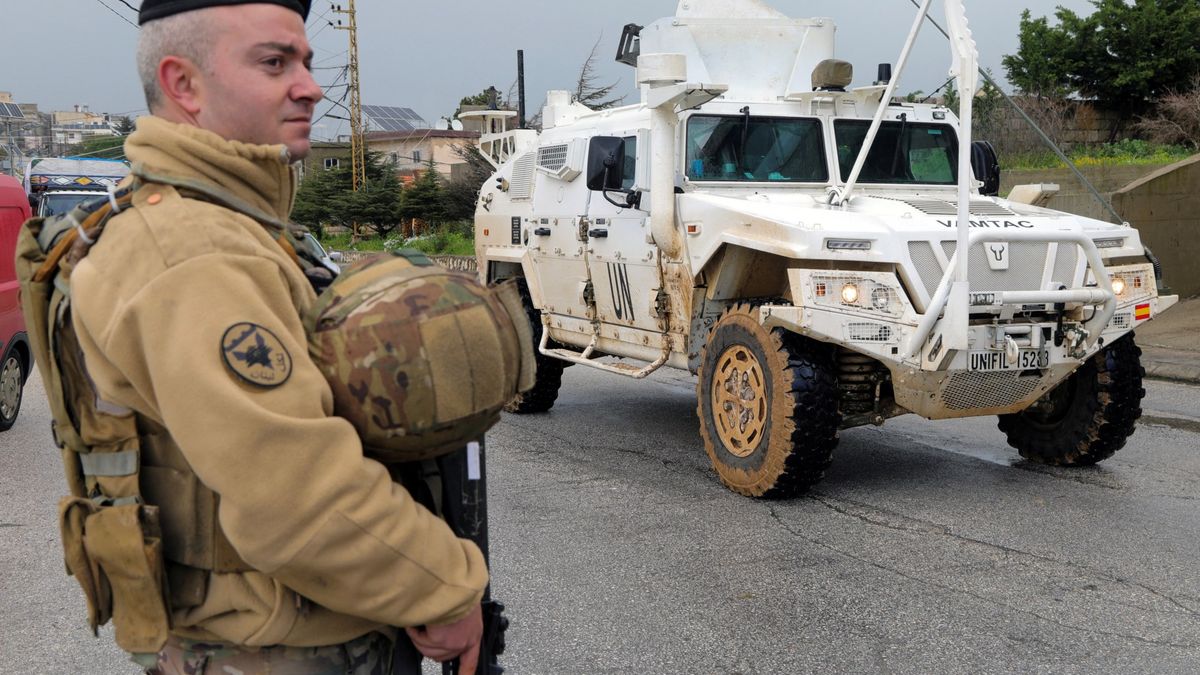
The United Nations peacekeeping force in southern Lebanon, UNIFIL, is set to expire at the end of the year, leaving the future of peacekeeping in the region uncertain. Despite strong international and domestic support for peacekeepers, the mandate's phase-out has sparked concerns about the potential for renewed violence and instability.
The decision to refuse to extend UNIFIL's mandate is largely seen as a result of US and Israeli pressure to exclude the mission from monitoring Israeli military operations in Lebanon. This move has effectively sidelined UNIFIL, limiting its role to monitoring violations, while Israel and Lebanon negotiate a framework agreement. The agreement aims to establish 'pilot zones' where Israel would withdraw its troops and the Lebanese Army would take control, but UNIFIL has no role in these zones.
The people of southern Lebanon have borne the brunt of the conflict, with thousands killed in the war since 2023. The absence of a robust peacekeeping force will only exacerbate the humanitarian crisis, leaving civilians vulnerable to violence and displacement. The Lebanese state's authority and monopoly over arms, Israeli withdrawal, and respect for Lebanese sovereignty are all crucial to preventing further bloodshed.
What is being downplayed by powerful actors is the fact that UNIFIL was never established to forcibly impose UN Resolution 1701, which calls for the withdrawal of Israeli troops and the disarmament of Hezbollah. The mission's original mandate was limited to monitoring, reporting, and assisting the Lebanese Armed Forces. Expecting UNIFIL to forcibly disarm Hezbollah or compel Israel to withdraw goes beyond its enforcement authority. The US and Israel's skepticism about UNIFIL's mission has led to its exclusion from the peace process, which may have unintended consequences, such as the escalation of violence.
As the situation unfolds, readers should watch for the establishment of a new peacekeeping mission, potentially led by the UN Truce Supervision Organization (UNTSO), and the impact of the 'pilot zones' agreement on the ground. The international community must ensure that any new mission is equipped to prevent a security gap and promote stabilization in southern Lebanon. The fate of the region hangs in the balance, and the next move will determine the course of history for thousands of civilians caught in the crossfire.
Editor's Note: The analysis is based on publicly available information and may not reflect the full complexity of the situation on the ground.
Source referenced: ALJAZEERA
This brief was synthesized by our Editorial Engine and reviewed by The Ground Narrative team.