What Happened
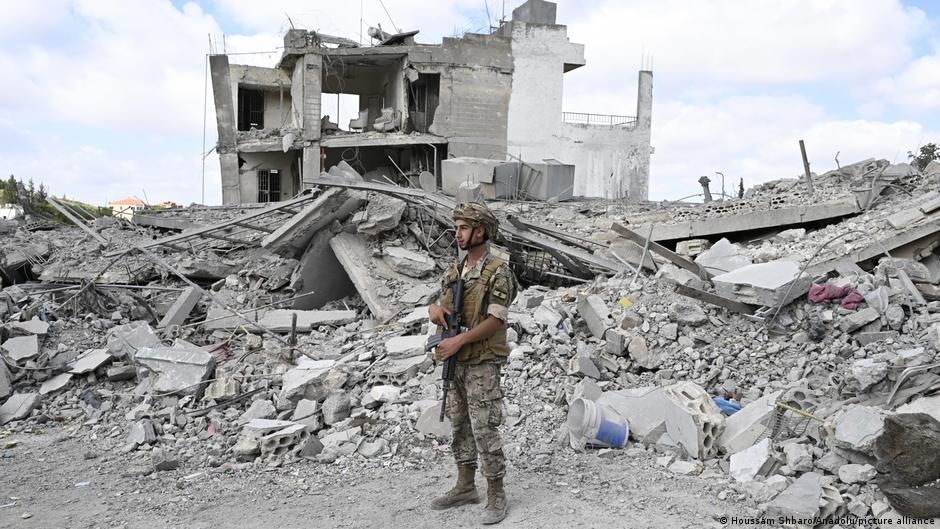
The pilot zone plan in Lebanon, agreed upon by Lebanon, the US, and Israel on June 26, aims to gradually redeploy Israeli forces from parts of southern Lebanon. However, the plan's implementation has been marred by incidents, including Israeli soldiers shooting at Lebanese soldiers and demolishing homes and buildings. The Lebanese army is expected to move into the pilot zones, but the lack of clarity on disarmament and the success criteria for the plan raises concerns.
The Power Mechanics
The pilot zone plan is a result of the complex power dynamics at play in the region. Israel's occupation of southern Lebanon is a significant factor, with the Israeli military reserving the right to return to the area if necessary. The US has backed the plan, but its role in the region is also influenced by its relations with Iran, which supports Hezbollah. The Lebanese government, meanwhile, is caught between the need to assert its sovereignty and the pressure from external actors.
The Human Cost
The human cost of the conflict in southern Lebanon is significant, with thousands of homes destroyed and many more displaced. The pilot zone plan has done little to alleviate the suffering of the local population, who are skeptical of the plan's intentions. The mayor of Zawtar al-Gharbieh, Abed Ezzeddine, described the situation as 'catastrophe upon catastrophe.' The lack of access to basic necessities, such as healthcare and education, exacerbates the humanitarian crisis.
The Untold Story
What is being downplayed or omitted in the official statements is the fact that the pilot zone plan may be a smokescreen for Israel's indefinite occupation of southern Lebanon. The plan's lack of clarity on disarmament and the success criteria raises concerns that it may be a way for Israel to maintain its control over the region. Additionally, the role of the US in backing the plan, despite its potential to lead to civil war, is a significant factor that is being downplayed.
What to Watch
As the pilot zone plan continues to unfold, it is essential to watch for the following developments: the reaction of Hezbollah to the Lebanese army's deployment, the response of the international community to the humanitarian crisis, and the actions of the US and Israel in relation to the plan. The situation on the ground is fragile, and any miscalculation could lead to further escalation. The Lebanese government must insist that locals be allowed to return to their homes, and the international community must pressure Israel to pull back its military presence.